When Movies Stop Escaping and Start Reflecting Us: Morphokinetics™ Narrative Pacing
Minute-by-minute audience retention risk vs. narrative tension. Identifies structural sag points and retention thresholds.
When Movies Stop Escaping and Start Reflecting Us
Why Modern Movies Show That Our Greatest Struggle Is to Remain Human, Especially in the Workplace and Under Powerful Systems.
I often do not notice when movies shift from entertainment to therapy.
The change is gradual; each moment flows into the next, quietly shifting the experience.
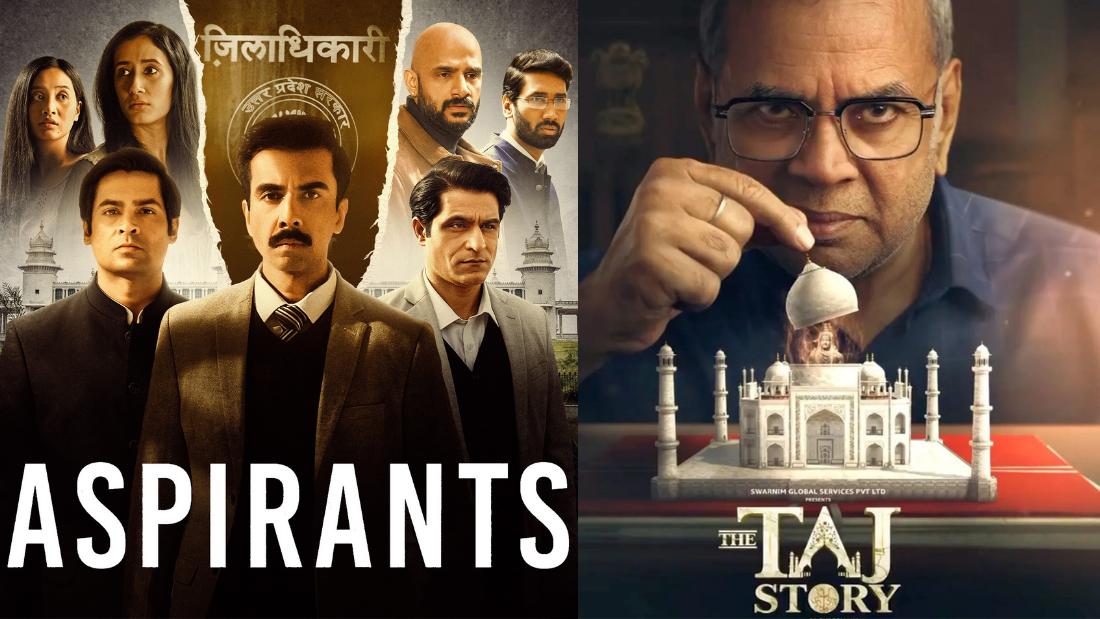
One evening, as I watch Aspirants, I notice I’m not paying attention to the plot anymore. Instead, I start thinking about my own career, the compromises I make, and the quiet moral choices I face.
There’s a scene where the successful officer sits in silence, thinking about what it costs to do the right thing.
No background music. No heroic speech. Just tension.
And I catch myself muttering:
“So this is what winning feels like?”
At that moment, I realise modern movies are not just about heroism, they reveal that the true challenge today is staying human within powerful, often dehumanising systems, both at work and in life.
As a result, the main goal becomes just getting through.
We Used to Cheer for Action Heroes. Now We Study Decision-Makers.
Growing up, the formula is simple:
Good guy fights bad guy.
The good guy wins.
Roll credits.
Lately, the stories that stick with me aren’t about winning.
They’re more about trade-offs than big wins.
For instance, consider One Battle After Another.
On the surface, it’s a political drama. Underneath, it’s a slow look at the kind of exhaustion that comes from facing systems that rarely change.
The film moves away from the usual hero’s journey. Instead of focusing on winning, it highlights persistence. Its slow pace matches the heavy feeling of dealing with bureaucracy and broken systems.
Watching it, I realise it feels less like entertainment and more like watching someone get through a long, frustrating week at work.
A darker pattern emerges: the real villain is now hidden within the system itself.
A similar trend emerges in Sinners.
It uses genre storytelling.
It builds tension like a thriller.
But the real horror isn’t supernatural.
The film shows fear as built into the system, with institutions that take from communities rather than help them. The villain isn’t a monster, but the system itself. This change makes the story feel all too real.
Halfway through, I realise something unsettling: today, our biggest fear isn’t danger, but feeling helpless, an idea that echoes across these stories.
Why We Still Need Loud, Impossible Heroes
Not every movie tries to be deep.
Sometimes, I just want excitement and a hero who solves problems without hesitation.
This is exactly where Dhurandhar: The Revenge comes in.
It’s big. It’s loud. It’s unapologetically dramatic.
The film is all about spectacle and energy. What makes it appealing is that it gives viewers something rare in real life: total control. The hero doesn’t hesitate or bargain; he just acts. That kind of certainty is hard to resist.
And honestly, sometimes that’s exactly what I need.
After a day of dealing with rules and responsibilities, that kind of certainty is especially refreshing.
The Quietest Stories Often Hit the Hardest:
Then there’s Hamnet, a film that stays quiet but leaves a strong impression.
No explosions.
No courtroom drama.
Just grief.
The film looks at how fragile memory and legacy are, reminding us that nothing lasts forever. Its emotional power comes from holding back, letting silence tell the story rather than big, dramatic scenes.
Watching it makes me think about how much we focus on achievements and recognition.
The film reminds me that life is about moments, not just milestones.
After all these heavy stories, I find myself needing something lighter
After these intense stories, I find myself needing something lighter.
That’s when KPop Demon Hunters feels like a reset button.
The film is full of bright visuals, lively music, and pure fun.
The film works because it fully embraces escapism. It gives viewers a break from serious topics and shows that joy can matter just as much as drama.
In a world that always expects seriousness, choosing happiness can be a kind of resistance.
When Data Tries to Replace Heart
Not every project works out.
I watched Made in Korea with high expectations. The concept is promising, featuring cross-cultural storytelling, global appeal, and a fresh perspective.
But something feels missing.
The show highlights the risks of creativity shaped by algorithms. It mixes in popular elements but doesn’t feel emotionally real. The result seems planned instead of genuine.
It’s like a presentation that looks perfect on paper but doesn’t move the audience.
One of the most talked-about films lately is The Taj Story:
It sparks debates in many settings: online, in offices, and even at dinner tables.
The film looks at how stories shape beliefs in the digital age. The main conflict is between facts and viral opinions, showing a world where loud voices often drown out careful thinking.
Watching it feels less like a courtroom drama and more like scrolling through social media.
The Common Thread Running Through All These Stories
These films cover different genres, styles, tone, and audiences.
But the same question keeps coming up: How do you keep your humanity and stay true to yourself, while working within systems that test your values and strength every day? This ongoing struggle is what defines the modern experience depicted in these films.
This is the real story of modern life.
Not success.
Not failure.
But balance.
My Personal Takeaway After Watching All These Films
I used to measure success by achievements.
Promotions.
Deadlines met.
Goals checked off.
Now, I measure success differently.
Energy left at the end of the day.
Clarity in my decisions.
Peace in my mind.
The Grey Verdict
Movies didn’t change my life overnight, but they changed how I see it.
They remind me that resilience is seldom dramatic.
It’s quiet.
Consistent and human.
When work overwhelms or life races by, I recall one truth:
Victory isn’t defeating the system, but surviving it with your humanity intact.
And honestly, maybe the most realistic happy ending is simply enduring- staying human, even when the world tries to wear you down.
An Invitation to Filmmakers and Producers:
If you’ve ever wondered what really connects with an audience or what makes a story feel true, GreyBrainer is the lens to rely on.
It’s not just about spotting trends. It’s about digging into why certain stories stick, and why some moments feel real while others fall flat. That’s what GreyBrainer does, finding the reasons behind what resonates, long before the first scene is shot.
Their work lives where culture, data, and human behaviour meet, the messy, fascinating space where real stories begin.
If you want your next story to actually matter, to last, to challenge, to connect, maybe it’s time to see what GreyBrainer can show you.
Related Greybrainer Reads
GREYBRAINER
AI-Powered Cinematic Intelligence