Morphokinetic Musings: Delhi’s Global Ambition, Bachchan’s Candor, and the Enduring Echo of…
Morphokinetic Musings: Delhi’s Global Ambition, Bachchan’s Candor, and the Enduring Echo of…: Morphokinetics™ Narrative Pacing
Minute-by-minute audience retention risk vs. narrative tension. Identifies structural sag points and retention thresholds.
Morphokinetic Musings: Delhi’s Global Ambition, Bachchan’s Candor, and the Enduring Echo of Dhurandhar 2
It’s Thursday, March 26, 2026, and as the industry pulses with new releases and evolving narratives, we find ourselves reflecting on the deeper currents shaping Indian cinema. Today, we delve into the cultural conversations that define our cinematic landscape, often revealing more than just box office numbers.
📰 The Ecosystem Pulse
The Indian cinema ecosystem is buzzing with a renewed sense of purpose and introspection this week. A significant development is the inauguration of the International Film Festival Delhi (IFFD) 2026, running from March 25 to 31. This isn’t just another festival; it’s a bold statement by Delhi’s Chief Minister, Rekha Gupta, positioning the capital as a burgeoning global cinema hub. With over 125 Indian and international films on showcase and a dedicated film market, CineXchange, IFFD aims to foster a comprehensive creative ecosystem, challenging traditional centers of power within the industry. This move signifies a morphokinetic shift, where geographical boundaries are blurring, and new creative capitals are emerging, eager to shape the global narrative of Indian cinema.
Adding another layer to this week’s discourse, Abhishek Bachchan offered a vulnerable glimpse into an artist’s relationship with criticism. He candidly admitted his past struggles with critical feedback, highlighting the increasingly blurred lines between creators, critics, and audiences in today’s content-rich environment. This introspection from a prominent industry figure underscores a growing maturity within Bollywood to engage with, rather than simply dismiss, diverse perspectives, a crucial element for sustained morphokinetic evolution.
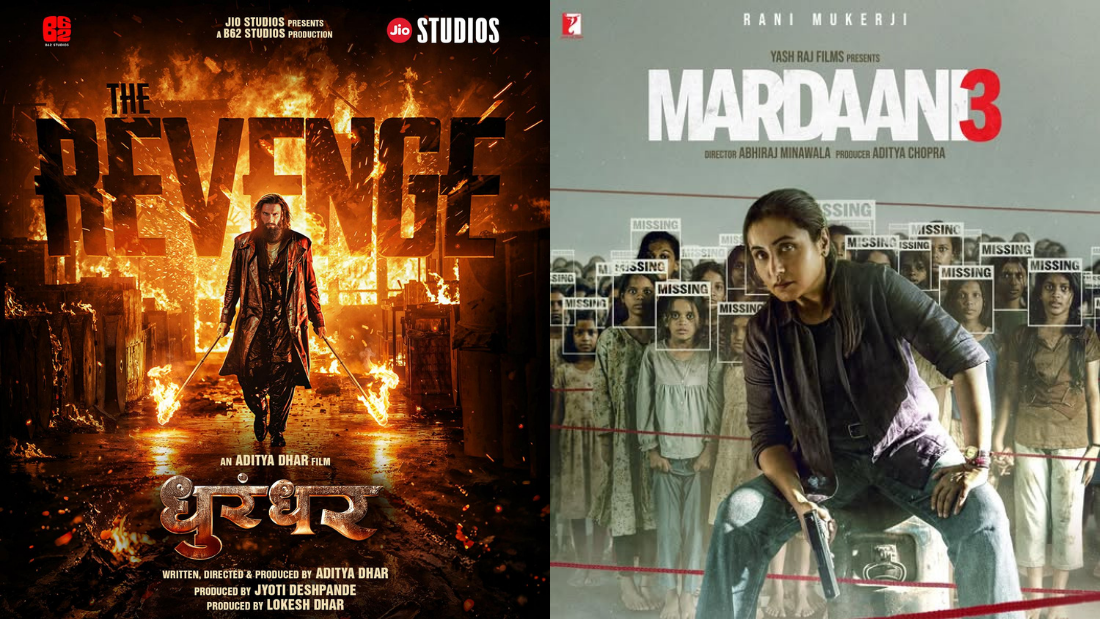
And speaking of enduring impact, the reverberations of Dhurandhar 2 continue to echo. Even weeks after its release, the film remains a hot topic, with discussions surrounding its controversial scenes and their cultural implications. This sustained engagement, far beyond its initial box office triumph, illustrates how a film can transcend mere entertainment to become a significant cultural touchstone, sparking widespread debate and influencing industry conversations.
🔗 The Narrative Thread
These contemporary narratives seamlessly weave into the ‘Morphokinetic Shift’ we’ve been tracking. Our recent dispatches highlighted Dhurandhar 2’s reign and the ‘Pan-Indian Power’ surging across the box office. Today’s news solidifies this. The ongoing discussion around Dhurandhar 2’s impact, even concerning its more challenging moments, confirms its status as a Morphokinetic event, reshaping audience expectations and industry dialogue. It’s not just about records; it’s about lasting cultural imprints.
Furthermore, Delhi’s ambitious push with IFFD 2026 to create a ‘creative ecosystem’ and connect people ‘beyond language and borders’ directly amplifies the ‘Pan-Indian Power’ theme. This strategic expansion of cinematic influence beyond traditional production hubs reflects a broader industry movement towards diversification and cross-cultural engagement, echoing the multi-lingual releases that fueled the pan-Indian success stories we analyzed. The emphasis on global outreach at IFFD further cements India’s growing confidence on the world stage, a natural evolution from the regional dominance we’ve seen translate into national blockbusters.
🍿 On The Horizon
This week brings a potent new narrative to the forefront with the release of Mardaani 3 on Netflix March 27, 2026. Rani Mukerji reprises her iconic role as DCP Shivani Shivaji Roy, this time confronting a ruthless child-trafficking and beggar mafia. Our ‘Grey Anticipation’ for Mardaani 3 isn’t just about its action sequences; it’s about its potential to reignite vital conversations around social justice and vulnerability within the cinematic framework. Mukerji’s portrayal has consistently offered a nuanced, powerful female gaze in a genre often dominated by hyper-masculinity. This instalment, tackling the harrowing reality of child trafficking, represents a critical ‘Morphokinetic’ moment for socially conscious cinema, pushing boundaries not just in storytelling, but in its potential for real-world impact and advocacy.
🔮 The Grey Verdict & Question
The Indian cinema landscape, as evidenced this week, is undergoing a profound metamorphosis, transcending mere entertainment to become a powerful mirror reflecting and shaping cultural consciousness. The deliberate expansion of creative hubs, the candid reflections on artistic integrity, and the enduring resonance of impactful cinema all point to an industry bravely embracing its morphokinetic future. The question for our cinephile community is this: As the lines between regional, national, and global cinema continue to blur, what new forms of vulnerability and cultural insight will emerge to define the next generation of Indian storytelling?
Related Greybrainer Reads
GREYBRAINER
AI-Powered Cinematic Intelligence