Cinematic Sieges and Streaming Sanctuaries: The Dual Reality of Modern Entertainment
Cinematic Sieges and Streaming Sanctuaries: The Dual Reality of Modern Entertainment: Morphokinetics™ Narrative Pacing
Minute-by-minute audience retention risk vs. narrative tension. Identifies structural sag points and retention thresholds.
Cinematic Sieges and Streaming Sanctuaries: The Dual Reality of Modern Entertainment
The current weekend in pop culture is shaping up to be one of the most fascinating case studies in modern audience behaviour. A glance at the box office numbers and streaming charts reveals a profound and slightly jarring dichotomy in how we choose to spend our time and money. On one side of the spectrum, we have massive theatrical spectacles that demand absolute surrender to sensory overload; on the other, we find quiet, introspective streaming shows that force us to look in the mirror and confront our own daily realities.
It is a fierce battle for attention between the untouchable titans of the silver screen and the deeply flawed, anxious humans of the digital living room. Let’s break down the trending charts, the critical divides, and the deeper social sparks igniting the internet this week.
1. Trending Now: The Titan, The Grounded, and The Courtroom
If you look closely at what audiences are actively consuming right now, it serves as a masterclass in extreme counter-programming. Viewers are violently swinging between pure, escapist power fantasies and hyper-realistic emotional dramas, leaving very little room for anything in between.
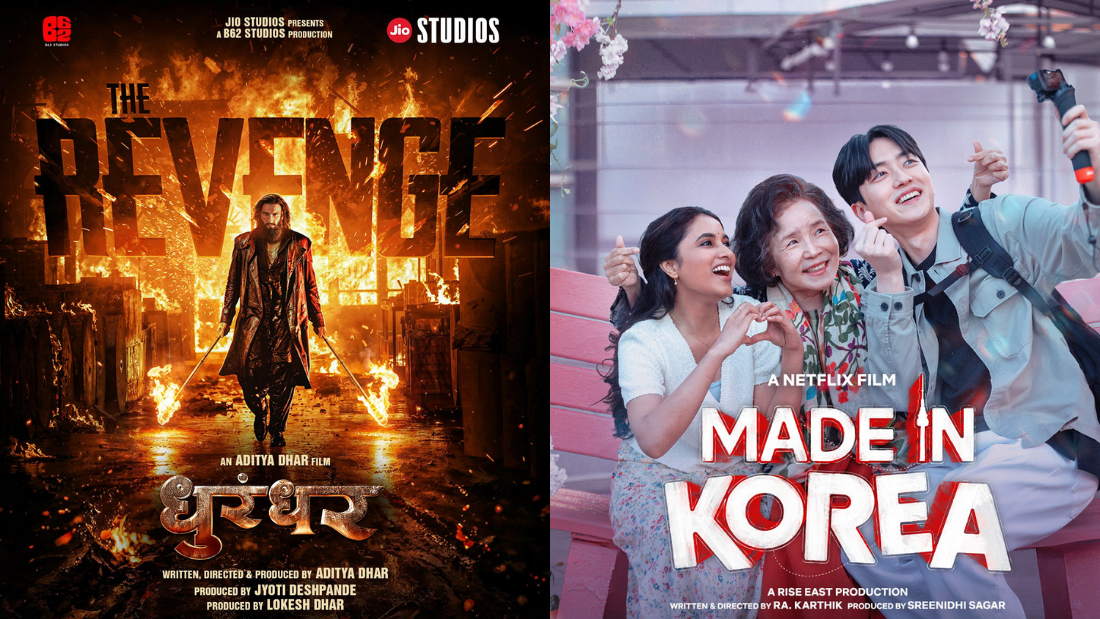
• Dhurandhar: The Revenge (Theatrical): Let’s call this phenomenon exactly what it is — a cinematic siege. Opening across a staggering 12,000 screens worldwide, Dhurandhar is less of a traditional movie and more of an unavoidable cultural mandate. It is currently dominating the zeitgeist by offering audiences a masterclass in “Unfiltered Agency.” In an era where the average person feels constantly bogged down by systemic red tape, economic inflation, and the daily friction of modern existence, Dhurandhar offers the ultimate rejection of the vulnerable hero trope. The protagonist here doesn’t negotiate, compromise, or struggle with moral ambiguity; he simply annihilates every obstacle in his path. Audiences are flocking to theatres in record numbers, not just to watch a story unfold, but to vicariously experience a sense of absolute, unrestrained power through a cinematic titan.
• Aspirants Season 3 (Prime Video): For those who find 12,000 screens of relentless explosions and high-octane action simply too exhausting, TVF’s magnum opus remains the definitive sanctuary. Serving as brilliant and necessary counter-programming for the home audience, Aspirants continues to do what The Viral Fever does best: hold a painfully accurate mirror up to middle-class ambitions and anxieties. Season 3 is a perfect, slow-burning exploration of the “Identity Crisis of Success.” It asks the difficult questions: What happens after you finally cross the finish line you spent your entire life running toward? Who are you when the struggle is over? It is a quiet, grounded narrative that provides a much-needed emotional anchor against the chaotic noise of the current theatrical landscape.
• The Taj Story (Lionsgate Play): Occupying the fascinating middle ground between spectacle and slice-of-life is Paresh Rawal’s gripping courtroom drama. It has steadily climbed the trending charts because it taps directly into the internet’s current favourite intellectual pastime: the “Post-Truth” debate. It is a dense, dialogue-heavy exploration of how facts, narratives, and truths are manipulated in the modern digital age. By turning living rooms into intense debate clubs, The Taj Story proves that sharply written, politically charged intellectual thrillers still command a massive, hungry audience that wants to be challenged rather than just passively entertained.
2. The Critical View: Spectacle vs. Soul
While the masses are loudly voting with their wallets and their streaming watch-time, the critical establishment is drawing some very hard lines in the sand this week. The latest batch of reviews highlights a growing, palpable anxiety about the future of how stories are manufactured, distributed, and ultimately consumed.
• Dhurandhar: The Revenge (Theatrical): The critical consensus here is sharply split, highlighting a massive, growing chasm between reviewer expectations and audience desires. The masses are celebrating the relentless pacing, the gravity-defying stunts, and the sheer, unadulterated scale of the visual spectacle. Critics, however, are raising a massive red flag. They are asking a vital, perhaps existential question for the industry: Have we officially traded the art of storytelling for pure infrastructure and VFX? The critique isn’t necessarily about the movie being objectively “bad,” but about it feeling fundamentally “hollow.” When the dust from the explosions finally settles, the narrative tissue connecting the massive set pieces feels dangerously thin, reducing the cinematic experience to a brilliantly engineered theme park ride rather than a resonant emotional journey.
• Made in Korea (Netflix): Meanwhile, the highly anticipated Tamil-Korean crossover project is taking a brutal beating from reviewers, quickly becoming the week’s undisputed critical punching bag. This project highlights the dark side of algorithm-driven content greenlighting. By trying to force an unnatural marriage between two wildly popular but distinct cultural aesthetics, the show has fueled a massive, fiery debate on “Cultural Outsourcing.” Critics strongly argue that this Frankenstein-esque, data-driven approach is actively killing regional authenticity. It feels less like organic art born from genuine collaboration and more like a cynical boardroom spreadsheet attempt to capture two massive demographic markets simultaneously. The result is a synthesised product that feels hopelessly alien and inauthentic to both audiences.
3. The Social Spark: Economics, Infrastructure, and Escapism
Beyond the polarising reviews and the staggering box office numbers, the films and shows dominating this week have sparked two massive sociological debates across social media platforms. We are no longer just talking about the media itself; we are talking about what the media reveals about us as a society.
• The Infrastructure War: The conversation surrounding Dhurandhar has notably shifted away from the traditional focus on star power to the sheer, overwhelming screen count. Does a 12,000-screen global release represent the healthy sign of a booming, robust film industry, or does it signal a dangerous, monopolistic trend? When a single tentpole franchise occupies almost every available theatre in the country, it effectively chokes the life out of independent cinema, regional films, and mid-budget storytelling. We are rapidly entering an era of “Eventification,” where you either manufacture a massive, deafening blockbuster or your film is immediately relegated to the streaming platforms. The theatrical “middle class” of movies is dying, and the ongoing infrastructure war is ensuring that only the absolute loudest voices get a microphone.
• Power vs. Reality — A Global Psychological Split: Perhaps the most fascinating discourse to emerge this week is the stark, undeniable contrast between Eastern and Western entertainment trends. Look at the recent Hollywood Oscars, which heavily rewarded films centred around “Exhausted Survivors”, deeply flawed characters dealing with complex systemic trauma, historical guilt, and fragile humanity. In stark contrast, the Indian box office is routinely being bought out for films featuring “Invincible Saviours”, hyper-masculine, indestructible figures who bend the very fabric of the world to their unyielding will.
The GreyBrainer Verdict:
Why does this massive geographical divide exist? It represents a fascinating split in global psychological coping mechanisms. The West, perhaps grappling with a profound sense of institutional decline and cultural fatigue, finds its catharsis in acknowledging vulnerability and pain. Conversely, audiences in rapidly developing economic powerhouses like India are actively seeking unapologetic power fantasies. In a rapidly transitioning society where the average citizen often feels utterly powerless against systemic corruption or endless bureaucracy, the unstoppable protagonist on screen provides a necessary, explosive catharsis, a brief, two-hour vacation from the vulnerabilities of the real world.
[[LENS_NARRATIVE:
🎬 Today’s Morning Brief: March 19, 2026
- Trending Now
Dhurandhar: The Revenge (Theatrical): The 12,000-screen siege has begun. A masterclass in “Unfiltered Agency” and the ultimate rejection of the vulnerable hero.
Aspirants Season 3 (Prime Video): TVF’s magnum opus remains the definitive counter-programming for the home audience. The perfect slow-burn look at the “Identity Crisis of Success.”
The Taj Story (Lionsgate Play): Paresh Rawal’s courtroom drama continues to trend as the internet’s favourite “Post-Truth” debate.
- Critical View
Dhurandhar: The Revenge (Theatrical): The early critical consensus is split. The masses are celebrating the spectacle, while critics are asking: “Have we officially traded storytelling for pure infrastructure and VFX?”
Made in Korea (Netflix): The Tamil-Korean crossover remains the week’s critical punching bag, fueling the debate on whether “Cultural Outsourcing” is killing regional authenticity.
- The Social Spark
The Infrastructure War: It’s no longer about the star; it’s about the screen count. Does a 12,000-screen release represent a booming industry, or a dangerous monopoly that chokes out independent cinema?
Power vs. Reality: Why did Hollywood just reward movies about “Exhausted Survivors” (Oscars), while India is buying out theatres for “Invincible Gods”? We are watching a fascinating split in global psychological coping mechanisms. ]]
Related Greybrainer Reads
GREYBRAINER
AI-Powered Cinematic Intelligence