Vulnerable Pulse: Commercial Clashes, OTT Triumphs, Horizon’s Anti-Hero Test: Morphokinetics™ Narrative Pacing
Minute-by-minute audience retention risk vs. narrative tension. Identifies structural sag points and retention thresholds.
Vulnerable Pulse: Commercial Clashes, OTT Triumphs, Horizon’s Anti-Hero Test
Another week concludes, and as the reels of Indian cinema continue to spin, we find ourselves at a fascinating juncture where commercial behemoths clash with critical voices, and the digital landscape irrevocably reshapes our viewing habits. It’s a morphokinetic moment, indeed, brimming with both triumph and vulnerability.
📰 The Ecosystem Pulse
This week, the Indian cinema ecosystem is a vibrant tapestry woven with the threads of post-release analysis, digital dominance, and evolving industry recognition. The roaring success of Dhurandhar: The Revenge continues to reverberate, yet it’s now accompanied by a compelling critical discourse. Beyond the undeniable box office numbers, voices like Dhruv Rathee have openly questioned the film, even labeling it an ‘expensive advertisement’ and ‘political gaslighting’. This public debate, while intense, is a crucial morphokinetic indicator, highlighting a growing demand for deeper cultural and social commentary even from blockbuster cinema, rather than mere escapism. It challenges the industry to confront the ‘grey area’ between commercial viability and ethical storytelling, pushing the boundaries of what constitutes ‘success’ in the popular imagination.
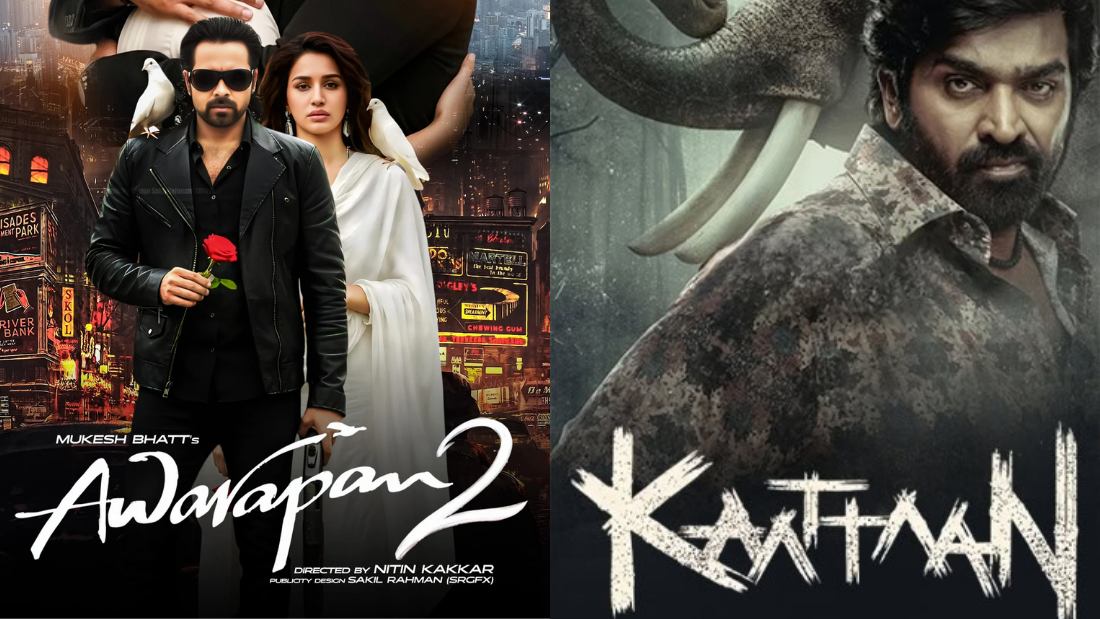
Simultaneously, the digital deluge we’ve extensively tracked in recent dispatches has surged with significant OTT premieres. Just this week, Rani Mukerji’s intense Mardaani 3 landed on Netflix, diving into the dark world of child trafficking. In parallel, the highly anticipated multi-lingual series Kaattan, spearheaded by Vijay Sethupathi and M. Manikandan, made its debut on JioHotstar. These simultaneous high-profile digital releases underscore the undeniable shift in distribution power, moving beyond just theatrical windows. They represent a fundamental reshaping of the star equation, where an actor’s reach is now intrinsically linked to their presence across diverse platforms, not just the silver screen. This isn’t merely an alternative; for many, it’s becoming the primary avenue for cinematic engagement.
Adding another layer to this evolving landscape, the nominations for the Chetak Screen Awards 2026 are sparking conversations, with independent films reportedly challenging traditional Bollywood heavyweights. This signifies a pivotal morphokinetic shift in how artistic merit is perceived and awarded, suggesting a broadening of critical horizons that embraces diverse narratives and talent beyond the mainstream machinery. It’s a testament to the vulnerability and courage of filmmakers exploring new territories, and the industry’s gradual, yet significant, acknowledgement of their impact.
🔗 The Narrative Thread
These current developments seamlessly interlink with our recent analyses of Indian cinema’s morphokinetic shifts. Our dispatch from March 27th highlighted the ‘Digital Deluge’ and ‘Pan-Indian Power’ as key drivers of the ‘Evolving Star Equation.’ The immediate success and critical discussion around Mardaani 3 and Kaattaan on OTT platforms are direct continuations of this trend. We noted how films like O’Romeo and Kaattaan were on the horizon, and their swift arrival on digital platforms solidifies the narrative that OTT is no longer a secondary option but a primary battleground for audience attention and star visibility.
Similarly, the ongoing debate surrounding Dhurandhar 2, which we’ve covered since its initial box office reign on March 21st and 20th, now deepens the conversation around the ‘Pan-Indian Box Office’ and the ‘Creative Ecosystem.’ While its commercial dominance was clear, the current critical scrutiny, including the ‘gaslighting’ claims, mirrors our earlier musings on the complex interplay between commercial success and the enduring echo of meaningful cinema. It challenges the industry to introspect on the narratives it champions and the cultural insights it offers, pushing for a more vulnerable and honest engagement with its audience.
🍿 On The Horizon
Looking ahead into April, one release that has piqued our Grey Anticipation is Awarapan 2, slated for April 3rd. This sequel to the 2007 cult classic, starring Emraan Hashmi and Disha Patani, represents more than just another action-romantic thriller. For Hashmi, it’s a significant moment to reclaim his unique niche within Bollywood, a space he carved out with his nuanced portrayals of morally ambiguous characters. The original Awarapan was celebrated for its raw emotion and departure from conventional heroics. Awarapan 2 carries the weight of this legacy, and its success will be a morphokinetic indicator of whether audiences are still drawn to the ‘vulnerable anti-hero’ archetype, or if the industry’s shift towards larger-than-life spectacle has fundamentally altered our appetite for grittier, more introspective action dramas. It’s a chance for a beloved narrative to find new relevance in a rapidly changing cinematic landscape.
🔮 The Grey Verdict & Question
The current pulse of Indian cinema reveals an industry in a constant state of morphokinetic flux, where the lines between commercial and critical success are increasingly blurred, and digital platforms are rewriting the rules of engagement. The vulnerability of traditional models is evident, replaced by a dynamic interplay of diverse content and evolving audience expectations. The challenge now lies not just in creating blockbusters, but in crafting narratives that resonate deeply, provoke thought, and contribute meaningfully to our cultural discourse, regardless of the screen size.
As the digital tide rises and critical voices gain prominence, will the ‘star equation’ ultimately prioritize authentic storytelling and cultural insight over sheer box office muscle, or will the allure of spectacle continue to dominate the morphokinetic evolution of Indian cinema?
Related Greybrainer Reads
GREYBRAINER
AI-Powered Cinematic Intelligence