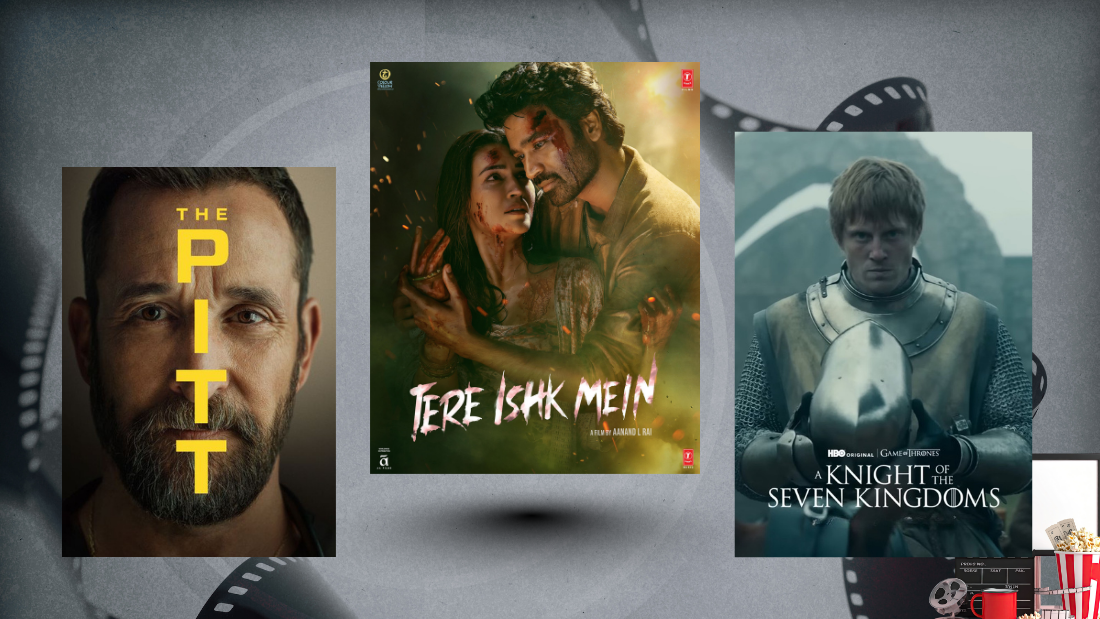
The Entertainment Shift of 2026: Why Indians Are Ditching Spectacle for Stories of Competence
The Entertainment Shift of 2026: Why Indians Are Ditching Spectacle for Stories of Competence: Morphokinetics™ Narrative Pacing
Minute-by-minute audience retention risk vs. narrative tension. Identifies structural sag points and retention thresholds.
The Entertainment Shift of 2026: Why Indians Are Ditching Spectacle for Stories of Competence
What’s Happening to Our Entertainment Right Now?
If you’ve noticed something shifting in the shows and films you’re watching lately, you’re not imagining it. The entertainment landscape across Indian streaming platforms — JioHotstar, Netflix, Amazon Prime Video, Apple TV+, and SonyLIV is undergoing a quiet but profound transformation. We’re moving away from grand, CGI-heavy productions toward something raw, intimate, and genuinely gripping: stories about professionals doing their jobs exceptionally well under impossible circumstances.
This isn’t just a seasonal trend. Industry experts are calling this “Competence Porn”, and it’s redefining what Indian audiences actually want to watch in 2026.
The Shift: From Spectacle to Substance
For years, success in entertainment meant one thing: go bigger. Bigger budgets, bigger battles, bigger emotions, more explosions. But this January has upended that formula.
What Was Trending Last Week
The conversation last week was dominated by espionage dramas, stories about geopolitical tension, covert operations, and hidden identities. It felt urgent, contemporary, and reflective of a world on edge.
What’s Trending This Week
This week? The conversation has pivoted to something unexpected: professionals navigating broken systems with quiet competence. Doctors managing medical emergencies in underfunded hospitals. Hackers are solving problems that institutions created. Knights navigating honour and survival in a system designed to destroy them. Inspectors working within bureaucracies to prevent catastrophe.
The audience isn’t craving spectacle anymore. We’re craving mastery.
The Shows Leading This Revolution
1. A Knight of the Seven Kingdoms (JioHotstar) — The Franchise Pivot That Worked
What It Is: A spinoff of the Game of Thrones universe that premiered January 19, 2026.
The Plot: Instead of continental wars between kingdoms with dragons destroying cities, this show zeroes in on a single “Hedge Knight”, a skilled but unremarkable warrior navigating a system where honour is currency and survival is the only victory.
Why It’s Resonating: This show proved something crucial: audiences don’t need world-ending stakes to be invested. They need character-driven stories with authentic stakes.
The show’s success signals that the “World-Ending Stakes” era is officially over. Indian audiences and viewers globally are exhausted by narratives that must be catastrophic to matter. We’re hungry for intimate stories about regular (or extraordinary-in-regular-ways) people facing real obstacles.
The Takeaway: Personal honour and survival matter more than saving the world.
2. Tehran Season 3 (Apple TV+) — When Fiction Becomes Too Real
What It Is: The Mossad-centred espionage thriller returns with a new cast, including Hugh Laurie as a nuclear inspector. Dropped January 9, 2026.
The Plot: Season 3 dives deeper into real-world nuclear tensions, diplomatic standoffs, and intelligence operations that mirror actual 2025–2026 geopolitical dynamics.
Why It’s Controversial: This is where things get uncomfortable. Tehran S3 isn’t just a thriller anymore, it’s a dramatised news feed. The plot so closely echoes current events that audiences are experiencing a unique kind of cognitive dissonance. Is this entertainment or a documentary? Is it thrilling because it’s well-written or because it could actually happen in the next 48 hours?
This raises a deeper question: When does entertainment become too real to be cathartic?
The Takeaway: Audiences are craving relevance, but there’s a threshold. When fiction mirrors reality too closely, it stops being escapism and starts being anxiety.
3. The Pitt Season 2 (JioHotstar) — The New Gold Standard for Medical Drama
What It Is: A medical drama starring Noah Wyle that released January 8, 2026.
The Plot: Post-pandemic hospital drama that follows doctors, nurses, and administrators navigating resource scarcity, ethical dilemmas, and genuine human moments in a broken healthcare system.
Why This Is Becoming a Cultural Moment: The Pitt is being praised as the antidote to every medical drama that came before it — particularly the long-running Grey’s Anatomy franchise, which built its empire on romance, melodrama, and conveniently timed emotional music cues.
The Pitt abandons that formula entirely. There’s minimal romantic subplot. The emotional beats aren’t cued by swelling strings. Instead, the show is brutally honest about medical burnout, systemic failure, and what competence actually looks like: exhausting, unglamorous, and deeply human.
Frontline workers, doctors, nurses, paramedics — are taking to social media to praise the show not because it’s entertaining, but because it’s accurate. One doctor posted: “For the first time, a show got what our work actually feels like.”
The Takeaway: Competence is the new glamour. Authenticity is the new plot device.
Medical Burnout Goes Viral: The Pitt Effect
Frontline healthcare workers have discovered The Pitt and are using it as a mirror for their own exhaustion. Social media is flooded with posts from doctors, nurses, and paramedics sharing clips from the show with captions like: “This is exactly why I’m considering leaving medicine” and “Finally, someone got it right.”
This has sparked a broader conversation about the systemic failure of healthcare access globally — a conversation that has largely been absent from mainstream entertainment for years. Why? Because healthcare dramas have historically focused on brilliant doctors overcoming odds through individual heroism. The Pitt reframes the narrative: the system is broken, and individual heroism is no longer enough.
Workers in Bangalore, Mumbai, and Delhi are citing the show in discussions about labour rights, mental health support, and institutional reform.
The Takeaway: Entertainment can function as social documentation. When a show gets something right, it validates lived experience and sparks institutional conversations.
What’s Being Critiqued (And Why It Matters)
Tere Ishk Mein (Netflix) — Premiering Today
Director: Aanand L. Rai | Star: Dhanush
This romantic drama arrives as the most anticipated release of January 2026. Critics are watching closely to see if it can recapture the “messy, consuming” magic of Raanjhanaa (Rai’s 2013 masterpiece) or if it’ll fall into the familiar tropes that have fatigued audiences: romantic entanglement, misunderstandings, grand declarations.
The pressure on this film is intense — romantic dramas are having an identity crisis in 2026, trying to figure out if raw emotion still matters, or if audiences have moved on.
Kalamkaval (SonyLIV) — The Divisive Thriller
The Debate: Kalamkaval is simultaneously being hailed as a “masterclass in psychological atmosphere” and dismissed as “intellectual boredom.”
This divide is significant. It reveals that 2026 is splitting into two audience camps:
-
Camp 1: Viewers seeking intricate, slow-burn psychological narratives that reward patience
-
Camp 2: Viewers seeking faster pacing, clear resolutions, and immediate gratification
The show is technically excellent, but its 8-episode runtime of deliberately paced tension isn’t for everyone. As one critic put it: “It’s brilliant if you speak its language. If you don’t, it’s torture.”
The Takeaway: The definition of a “good thriller” is fragmenting in 2026.
[[LENS_NARRATIVE:
🎬 GreyBrain Lens: Jan 23, 2026
- Trending Now
A Knight of the Seven Kingdoms (JioHotstar): Westeros goes analogue. A small-scale “Hedge Knight” story that trades dragons for honour and character depth.
Tehran Season 3 (Apple TV+): Hugh Laurie enters the Mossad nuclear plot. A geopolitical thriller so close to reality it feels like a documentary.
The Pitt Season 2 (JioHotstar): Noah Wyle returns in a medical drama that trades romance for “process” and hospital grit.
- Critical View
Kalamkaval (SonyLIV): The “Anti-Thriller” remains the critical favourite for its atmospheric silence and refusal to use jump scares.
Tere Ishk Mein (Netflix): Dhanush & Aanand L. Rai reunite. Critics are analysing if it’s a “messy masterpiece” or a “recycled romance.”
- The Social Spark
Scale Fatigue: Is the audience finally tired of “World-Ending” plots? The success of ‘Small Fantasy’ suggests a pivot to human stories.
Medical Realism: ‘The Pitt’ triggers a national conversation on frontline burnout and the systemic failures of modern healthcare.]]
Related Greybrainer Reads
GREYBRAINER
AI-Powered Cinematic Intelligence