Morphokinetic Shift: The Digital Deluge, Pan-Indian Power, and the Evolving Star Equation
Morphokinetic Shift: The Digital Deluge, Pan-Indian Power, and the Evolving Star Equation: Morphokinetics™ Narrative Pacing
Minute-by-minute audience retention risk vs. narrative tension. Identifies structural sag points and retention thresholds.
Morphokinetic Shift: The Digital Deluge, Pan-Indian Power, and the Evolving Star Equation
It’s Friday, March 27, 2026, and if you listen closely, you can almost hear the collective sigh of cinephiles settling in. Today isn’t just another Friday; it’s a veritable digital deluge, challenging our very understanding of cinematic release strategies and the enduring power of a star.
📰 The Ecosystem Pulse
Today, the Indian cinema ecosystem is buzzing with a powerful, unmistakable rhythm: the surge of direct-to-digital premieres. We’re witnessing a significant wave of new movies and web series hitting major OTT platforms like Netflix, Prime Video, JioHotstar, and ZEE5, marking a pivotal moment in content consumption and distribution. This isn’t merely a trickle; it’s a flood, spearheaded by high-profile titles. Rani Mukerji returns as the formidable Shivani Shivaji Roy in Mardaani 3 on Netflix, tackling a chilling child abduction syndicate. Simultaneously, Shahid Kapoor and Tripti Dimri headline O’Romeo, an intense underworld crime drama set in post-independence Mumbai, premiering on Prime Video. Not to be outdone, Vijay Sethupathi brings his gritty rural thriller Kaattaan to JioHotstar, a narrative that promises to be as unsettling as it is profound.
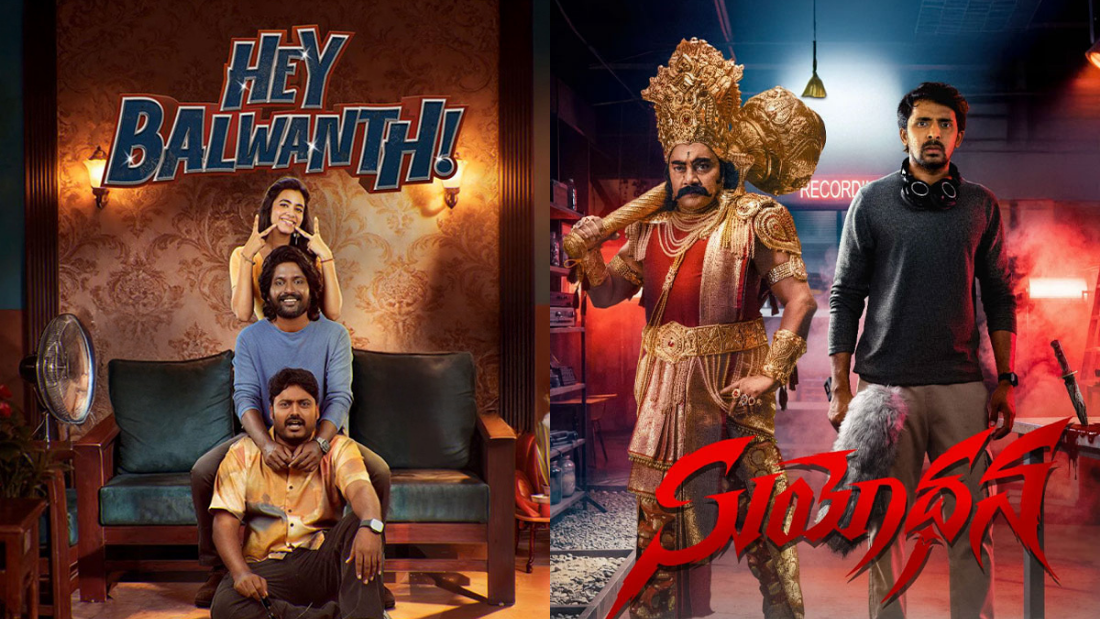
This robust lineup, which also includes the Telugu comedy-drama Hey Balwanth on ZEE5 and several theatrical releases like Happy Raj and Suyodhana, underscores the continued dominance of Pan-Indian content. The simultaneous arrival of films across Hindi, Tamil, Telugu, and Malayalam languages directly on digital platforms reinforces the idea that geographical and linguistic barriers are increasingly dissolving in the streaming age. The ‘Grey Area’ here is the blurring line between what constitutes a ‘major release’ — is it the box office numbers, or the immediate global reach and subscriber engagement offered by OTT? The industry is clearly hedging its bets, utilizing both avenues to maximize impact and revenue.
🔗 The Narrative Thread
This week’s digital explosion is a direct evolution of the “Morphokinetic Shift” we’ve been tracking at @GreyBrainer Daily. Just last week, we discussed Delhi’s global ambition and the evolving creative ecosystem, and prior to that, the immense theatrical reign of Dhurandhar 2 and Toxic’s challenge. While Dhurandhar 2 carved its legacy in theaters, the current landscape demonstrates how the battleground for cinematic supremacy is expanding. The decision to release films like Mardaani 3 and O’Romeo directly on OTT, rather than solely theatrical, is a powerful statement about the shifting metrics of star power and audience engagement. It’s no longer just about the opening weekend gross, but about the sustained digital footprint and the ability to attract and retain subscribers on a global scale. These releases build upon the narrative of a dynamic industry, where creative choices are increasingly influenced by diverse distribution channels, extending the cultural insights we gain from film beyond the traditional box office reports. The conversation around Toxic’s challenge to Dhurandhar 2 now feels like a prelude to a larger, multi-platform war for attention, where every major release, digital or theatrical, contributes to the ongoing Morphokinetic analysis of our cinematic world.
🍿 On The Horizon
Among the many releases today, O’Romeo on Prime Video stands out for its “Grey Anticipation.” Starring Shahid Kapoor and Tripti Dimri, this underworld crime drama, inspired by true events, is set in post-independence Mumbai. For Shahid Kapoor, this digital premiere represents a crucial juncture in his career trajectory. Known for his intense performances, O’Romeo allows him to delve into a dark romance fueled by obsession and rage within a burgeoning criminal landscape. The film’s direct-to-OTT release on a major platform like Prime Video could cement his position as a formidable digital-first star, capable of drawing significant viewership without the immediate pressure of theatrical box office numbers. It’s a strategic move that reflects the industry’s adaptation to new consumption habits and an actor’s willingness to redefine their connection with the audience.
🔮 The Grey Verdict & Question
The sheer volume and calibre of today’s digital releases signal a profound, irreversible pivot in Indian cinema. The ‘Morphokinetic Shift’ is no longer just a theory; it’s a lived reality where star power is being recalibrated, and narratives are finding diverse, immediate pathways to global audiences. The theatrical experience will always hold a special place, but the digital realm is undeniably the new frontier for consistent, impactful storytelling. The verdict is clear: the future of Indian cinema is intrinsically hybrid.
But here’s the question that lingers: As the digital deluge continues to redefine success and star appeal, what unique vulnerabilities and creative freedoms emerge for filmmakers and actors in this evolving, multi-platform landscape?
Related Greybrainer Reads
GREYBRAINER
AI-Powered Cinematic Intelligence