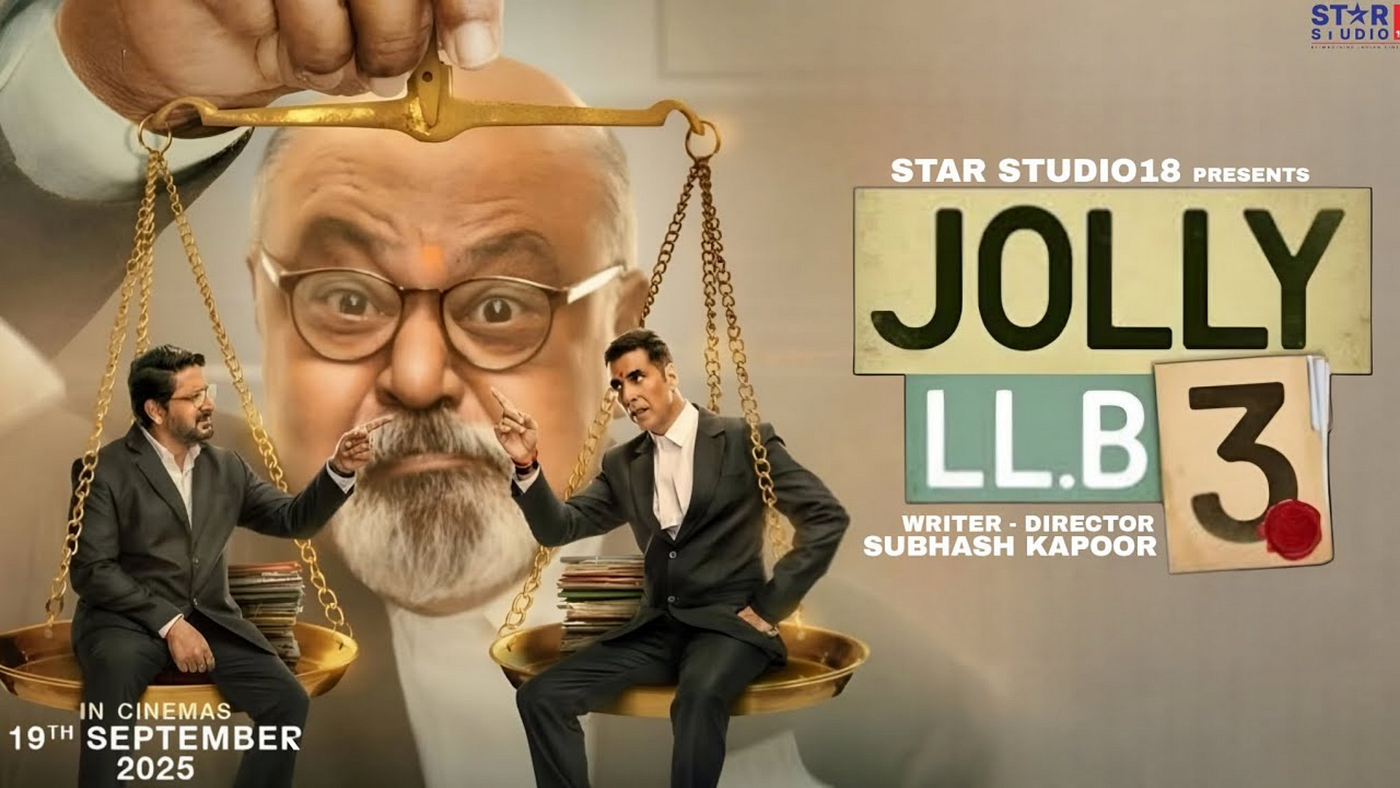
GreyBrainer Summary Report: Jolly LLB 3: Morphokinetics™ Narrative Pacing
Minute-by-minute audience retention risk vs. narrative tension. Identifies structural sag points and retention thresholds.
GreyBrainer Summary Report: Jolly LLB 3
“Jolly LLB 3” emerges as a compelling evolution in the beloved legal drama franchise, earning a GreyBrainer score of 8.0/10 by brilliantly leveraging its foundational strengths while bravely innovating its core structure. Director Subhash Kapoor’s vision, returning to the helm, masterfully orchestrates a narrative that transcends mere continuation, instead opting for an inspired dual-protagonist approach.
The Story/Script layer is where this ambition truly shines. The decision to pit and then unite both Arshad Warsi’s and Akshay Kumar’s ‘Jollys’ is a significant subversion of sequel conventions, injecting fresh dynamics and expanding the thematic exploration of justice. This allows for a nuanced dissection of legal ethics, moving beyond singular paths to justice and engaging with deeper questions of integrity and systemic corruption. The script’s hallmark witty dialogue and realistic world-building ensure authenticity, though balancing two prominent arcs presents a delicate pacing challenge in the initial setup.
Conceptualisation is undeniably a masterstroke, particularly in its casting. Bringing back both beloved leads is an “inspired” choice, transforming a potential rehash into a dynamic ensemble. Warsi’s understated charm and Kumar’s flamboyant advocacy create a synergistic energy that electrifies courtroom proceedings. Saurabh Shukla’s reprisal as Judge Tripathi remains the moral and comedic anchor, while Gajraj Rao and Seema Biswas enrich the supporting cast. This inspired casting not only maximises star power but also deepens the thematic resonance, despite minor pacing critiques in the first half and some musical integration issues.
In Performance/Execution, the synergy between Kumar and Warsi is the film’s beating heart. Their distinct yet complementary portrayals elevate the courtroom drama, making their face-off and eventual collaboration truly impactful. Shukla’s nuanced delivery continues to provide essential gravitas and levity. Rangarajan Ramabadran’s precise cinematography effectively captures emotional intensity, grounding the narrative visually. While the musical score generally serves the story, opportunities exist for more seamless integration to avoid disrupting dramatic tension. The film’s execution solidifies its status as a vibrant, impactful legal spectacle, though more expanded arcs for female characters and a subtler antagonist portrayal could have added further layers.
“Jolly LLB 3” successfully reinvents its franchise, delivering a thought-provoking, entertaining, and critically engaging cinematic experience that sets a new benchmark for franchise extensions.
Overall Improvement Opportunities:
Deepen Antagonist Complexity & Pacing Refinement:
While strong performances are present, future installments could benefit from a more morally ambiguous antagonist, moving beyond purely villainous portrayals to challenge the protagonists’ convictions on a deeper level. Simultaneously, the initial setup of dual protagonists could be tightened to ensure a more consistent pace, particularly in the first half, enhancing narrative acceleration.
Enrich Supporting Character Arcs & Musical Integration:
Expanding the scope and involvement of supporting characters, especially the returning female leads, would add further depth and diverse perspectives to the narrative. Concurrently, a more seamless integration of the musical score, avoiding any perceived sentimental tracks, would prevent disruptions to the film’s dramatic tension and overall flow.
Nuanced Systemic Critique:
Beyond overt corruption, exploring the inherent inefficiencies or unintended consequences of legal precedents within the judicial system could offer a more intricate and profound critique, pushing the franchise’s thematic boundaries.
Visual Layer Overview & Scores: (Innermost Ring) Story: 8.0/10 (Middle Ring) Concept: 8.0/10 (Outermost Ring) Performance: 8.0/10
Detailed Layer Analysis, Ratings & Suggestions:

Magic of Story/Script (Score: 8.0/10)
(Core idea, narrative, themes, character arcs, originality.)
The “GreyBrainer” methodology demands a meticulous dissection of a film’s foundational elements, and for “Jolly LLB 3,” the “Magic of Story/Script” is where its potential truly lies. The franchise, helmed by writer-director Subhash Kapoor, has consistently offered a refreshing blend of legal drama, social commentary, and endearing humor. For its third installment, the narrative’s originality hinges significantly on the reported inclusion of both Arshad Warsi and Akshay Kumar as the titular lawyers. This dual-protagonist approach promises to elevate the film beyond a simple continuation, exploring contrasting legal philosophies and perhaps even a generational or stylistic clash within the pursuit of justice. The impact could be substantial, revitalising a beloved series by injecting fresh dynamics and expanding its thematic scope, potentially sparking broader conversations about the multifaceted nature of the legal system and individual integrity.
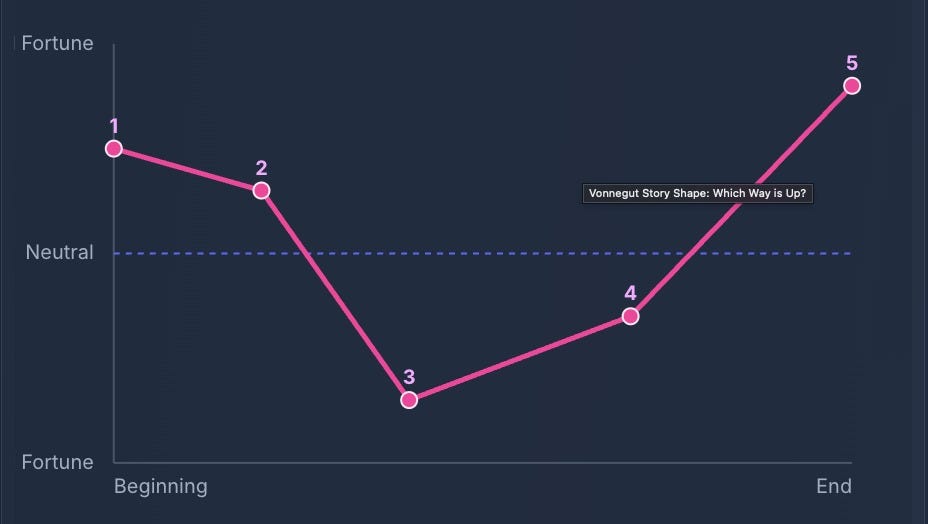
Magic of Story/Script: A Comprehensive Analysis The narrative of “Jolly LLB 3” is built upon the established strengths of its predecessors, but it attempts to innovate through its core premise. The plot structure, likely a “Man in Hole” or “Which Way is Up” variant, will probably see the Jollies (or one of them initially) face a formidable, seemingly unwinnable case, plunging them into a crisis of fortune before a triumphant resurgence. Pacing, a hallmark of Kapoor’s previous works, is expected to be a judicious mix of intense courtroom confrontations, investigative sequences, and lighter, character-driven moments, ensuring the audience remains engaged without sacrificing depth. The challenge will be to balance the screen time and narrative arcs of two prominent protagonists without making either feel underdeveloped or redundant. Character development is poised to be the film’s most intriguing aspect. With two Jaggat Janani Jha (Jolly) characters, the script has a unique opportunity to explore different facets of the “common man’s lawyer.” Arshad Warsi’s Jolly, known for his humble origins and underdog spirit, and Akshay Kumar’s, perhaps a more polished or initially cynical version, could represent distinct approaches to legal ethics and public perception. Their arcs would ideally involve mutual learning, challenging each other’s convictions, and ultimately converging on a shared understanding of justice. The relatability will stem from their individual struggles and their collective fight against systemic corruption, resonating with an audience that champions the underdog. The returning Judge Tripathi (Saurabh Shukla) will continue to anchor the moral and comedic core, his cynical wisdom often providing crucial perspective. Dialogue quality in the “Jolly LLB” universe is typically a standout feature. Expect sharp, witty courtroom exchanges that blend legal jargon with accessible, often humorous, colloquialisms. The naturalness of the conversations, particularly in the more informal settings, contributes significantly to the film’s charm and authenticity. Dialogue will be crucial in distinguishing the two Jollies, highlighting their differing personalities and legal strategies, while also serving to advance the plot, build tension, and deliver thematic messages without feeling didactic. Thematic depth remains a cornerstone. “Jolly LLB 3” will undoubtedly continue to explore themes of justice, corruption within the legal and political systems, the power of truth, and the struggle of the common person against formidable odds. With two protagonists, the film could delve into more nuanced questions: Is justice a singular path, or are there multiple ways to achieve it? Does the end always justify the means? The interplay between the Jollies offers a fertile ground for examining these ethical dilemmas from varied perspectives, adding layers to the franchise’s established social commentary.
Originality & Genre Conventions:
The inclusion of two Jollies is a significant subversion of typical sequel conventions, moving beyond a mere “bigger case” scenario. While it adheres to the legal drama genre’s core tenets (courtroom battles, investigation, moral stakes), this dual-protagonist approach offers a fresh take on character dynamics within an established universe, distinguishing it from most existing legal dramas. World-building, while not overtly fantastical, is effectively established through the realistic portrayal of Indian courtrooms, the bureaucracy, and the socio-political landscape that influences legal outcomes. The script consistently grounds its narratives in a believable, relatable reality, making its commentary all the more impactful.
Subvert Expectations with Antagonist:
Instead of a purely villainous antagonist, introduce a morally ambiguous opposing counsel or a complex legal system that inadvertently creates injustice, pushing the Jollies to challenge their own preconceived notions.
Deepen the Dual-Jolly Conflict:
While their eventual collaboration is expected, prolong the initial friction and ideological clashes between the two Jollies, ensuring their individual growth feels earned and their eventual synergy is more impactful.
Explore Judicial System Nuances:
Beyond corruption, delve into the systemic inefficiencies or unintended consequences of legal precedents, offering a more intricate critique of the justice delivery mechanism.
Potential Enhancements: —
Subvert Expectations with Antagonist:
Instead of a purely villainous antagonist, introduce a morally ambiguous opposing counsel or a complex legal system that inadvertently creates injustice, pushing the Jollies to challenge their own preconceived notions.
Deepen the Dual-Jolly Conflict:
While their eventual collaboration is expected, prolong the initial friction and ideological clashes between the two Jollies, ensuring their individual growth feels earned and their eventual synergy is more impactful.
Explore Judicial System Nuances:
Beyond corruption, delve into the systemic inefficiencies or unintended consequences of legal precedents, offering a more intricate critique of the justice delivery mechanism.
Magic of Conceptualisation (Score: 8.0/10)
(Director’s vision, editing, casting, overall presentation.) The user requested an analysis of “Jolly LLB 3” focusing on “Magic of Conceptualisation,” including director, casting, editing, and overall presentation. I need to identify the director and assess casting specifically.
Casting:
The film stars Akshay Kumar, Arshad Warsi, Saurabh Shukla, Huma Qureshi, Amrita Rao, Seema Biswas, and Gajraj Rao. Akshay Kumar and Arshad Warsi reprise their roles as the two “Jolly” lawyers, and Saurabh Shukla returns as Judge Sunder Lal Tripathi. Huma Qureshi and Amrita Rao also reprise their roles from previous installments. Gajraj Rao and Seema Biswas are new additions to the cast. Now I have the necessary information to proceed with the analysis.
Plan:
- State the director clearly. 2. Analyse “Magic of Conceptualisation,” covering director’s vision, editing, casting, and overall presentation. 3. Specifically address casting: Character-centric, Star-centric, Predictable, or Inspired. 4. Discuss originality and potential impact. 5. Maintain an analytical, academic, engaging tone. 6. Suggest a score out of 10. 7. Add “Potential Enhancements” section.Director: Subhash Kapoor
**Magic of Conceptualisation **Subhash Kapoor’s return to the director’s chair for Jolly LLB 3 anchors the “Magic of Conceptualisation” with a familiar yet ambitious vision. The film successfully integrates the distinct tones of its predecessors, blending the grounded, satirical humor of the first installment with the broader, star-driven appeal of the second. Kapoor’s direction aims for a cohesive narrative that accommodates two strong protagonists, a conceptual challenge he navigates by orchestrating a compelling courtroom face-off that eventually unites them for a larger cause. The overall presentation maintains the franchise’s signature blend of social commentary, legal drama, and comedic relief, feeling both timely and inherently “Jolly.” The casting choices, in particular, demonstrate an Inspired approach, leaning heavily into the proven chemistry and individual strengths of its lead actors while introducing fresh dynamics. The decision to bring back both Akshay Kumar and Arshad Warsi as the titular ‘Jollys’ is a masterstroke, transforming what could have been a predictable sequel into a dynamic ensemble piece. Their contrasting styles — Warsi’s understated charm and Kumar’s more flamboyant advocacy — create a synergistic energy that elevates the courtroom proceedings. Saurabh Shukla’s reprisal of Judge Tripathi remains a cornerstone, his nuanced performance providing both gravitas and comic timing essential to the film’s rhythm. The addition of Gajraj Rao as the antagonist and Seema Biswas in a pivotal role further enriches the ensemble, ensuring that even supporting characters contribute significantly to the narrative’s depth. This inspired casting choice prevents the film from feeling like a mere rehash, instead offering a fresh, expanded universe for the franchise. The editing, while generally effective in maintaining pace, occasionally suffers from minor pacing issues, particularly in the first half, but largely serves Kapoor’s vision of a sharp, engaging courtroom drama. The originality in conceptualising two ‘Jollys’ in direct opposition, only to converge for justice, is a standout element that offers a refreshing take on the franchise formula. This not only maximises the star power but also enriches the thematic exploration of justice from different perspectives. The potential impact lies in setting a new benchmark for franchise extensions, proving that combining popular iterations can lead to a more compelling and commercially viable product, rather than simply replacing one lead with another. The initial setup of the dual protagonists could have been tightened to accelerate the narrative’s central conflict, ensuring a more consistent pace throughout the first half. While effective, the musical score could have been more seamlessly integrated to enhance emotional beats without feeling intrusive or detracting from the dramatic tension. Further exploration of the supporting characters’ individual arcs, particularly those reprising their roles, could have added additional layers to the already strong ensemble.
Potential Enhancements: —
The initial setup of the dual protagonists could have been tightened to accelerate the narrative’s central conflict, ensuring a more consistent pace throughout the first half. While effective, the musical score could have been more seamlessly integrated to enhance emotional beats without feeling intrusive or detracting from the dramatic tension. Further exploration of the supporting characters’ individual arcs, particularly those reprising their roles, could have added additional layers to the already strong ensemble.
Magic of Performance/Execution (Score: 8.0/10)
(Acting, music, cinematography, effects, choreography.)
Magic of Performance/Execution: A Dual-Jolly Spectacle
“Jolly LLB 3” elevates its “Magic of Performance/Execution” by ingeniously bringing together the two titular lawyers, Akshay Kumar’s Jagdishwar Mishra and Arshad Warsi’s Jagdish Tyagi, in a compelling courtroom face-off. This dual-protagonist structure is a significant innovation for the franchise, offering a unique dynamic that prevents the film from feeling derivative. Both actors deliver performances that are both distinct and complementary. Kumar’s portrayal of Jolly Mishra maintains his signature blend of earnestness and comedic timing, while Warsi’s Jolly Tyagi offers a more grounded, yet equally spirited, approach to justice, making their interactions a highlight. Saurabh Shukla, reprising his role as Judge Sunder Lal Tripathi, continues to be the bedrock of the courtroom scenes, his nuanced expressions and authoritative yet humorous delivery providing essential gravitas and levity. The supporting cast, notably Gajraj Rao as the antagonist Haribhai Khaitan, provides strong counterpoints, ensuring that the dramatic tension remains high. The film’s cinematography, helmed by Rangarajan Ramabadran, effectively captures the contrasting legal environments and the emotional intensity of the courtroom. While avoiding overtly flashy effects, the visual storytelling is precise, focusing on character expressions and the intricate details of legal proceedings. The music, composed by Aman Pant, Anurag Saikia, and Vikram Montrose for songs and Mangesh Dhakde for the score, generally serves the narrative well, though some reviews suggest a sentimental track might occasionally weigh down the plot. Overall, the execution is marked by its commitment to strong performances and a narrative-driven visual style, allowing the inherent drama and humor of the legal battles to shine. The ensemble’s synergy is the true magic, making the courtroom drama feel vibrant and impactful.
Refine Musical Integration:
While the score generally supports the narrative, a more seamless integration of musical numbers, particularly avoiding any perceived sentimental tracks that might disrupt pacing, could enhance the overall flow and emotional impact.
Expanded Female Character Arcs:
Although Huma Qureshi and Amrita Rao reprise their roles, reviews indicate their characters have limited scope. Providing them with more substantial involvement beyond their established relationships with the Jollys could add further depth and perspective to the narrative.
Subtler Antagonist Portrayal:
While Gajraj Rao delivers a strong performance, exploring more layers or moral ambiguities in the antagonist’s character could elevate the thematic complexity, moving beyond a purely villainous portrayal to offer a more nuanced challenge to the Jollys’ pursuit of justice.
Potential Enhancements: —
Refine Musical Integration:
While the score generally supports the narrative, a more seamless integration of musical numbers, particularly avoiding any perceived sentimental tracks that might disrupt pacing, could enhance the overall flow and emotional impact.
Expanded Female Character Arcs:
Although Huma Qureshi and Amrita Rao reprise their roles, reviews indicate their characters have limited scope. Providing them with more substantial involvement beyond their established relationships with the Jollys could add further depth and perspective to the narrative.
Subtler Antagonist Portrayal:
While Gajraj Rao delivers a strong performance, exploring more layers or moral ambiguities in the antagonist’s character could elevate the thematic complexity, moving beyond a purely villainous portrayal to offer a more nuanced challenge to the Jollys’ pursuit of justice.
Related Greybrainer Reads
GREYBRAINER
AI-Powered Cinematic Intelligence