Greybrainer Summary Report: Department Q: Morphokinetics™ Narrative Pacing
Minute-by-minute audience retention risk vs. narrative tension. Identifies structural sag points and retention thresholds.
Greybrainer Summary Report: Department Q
Greybrainer Summary Report: Department Q
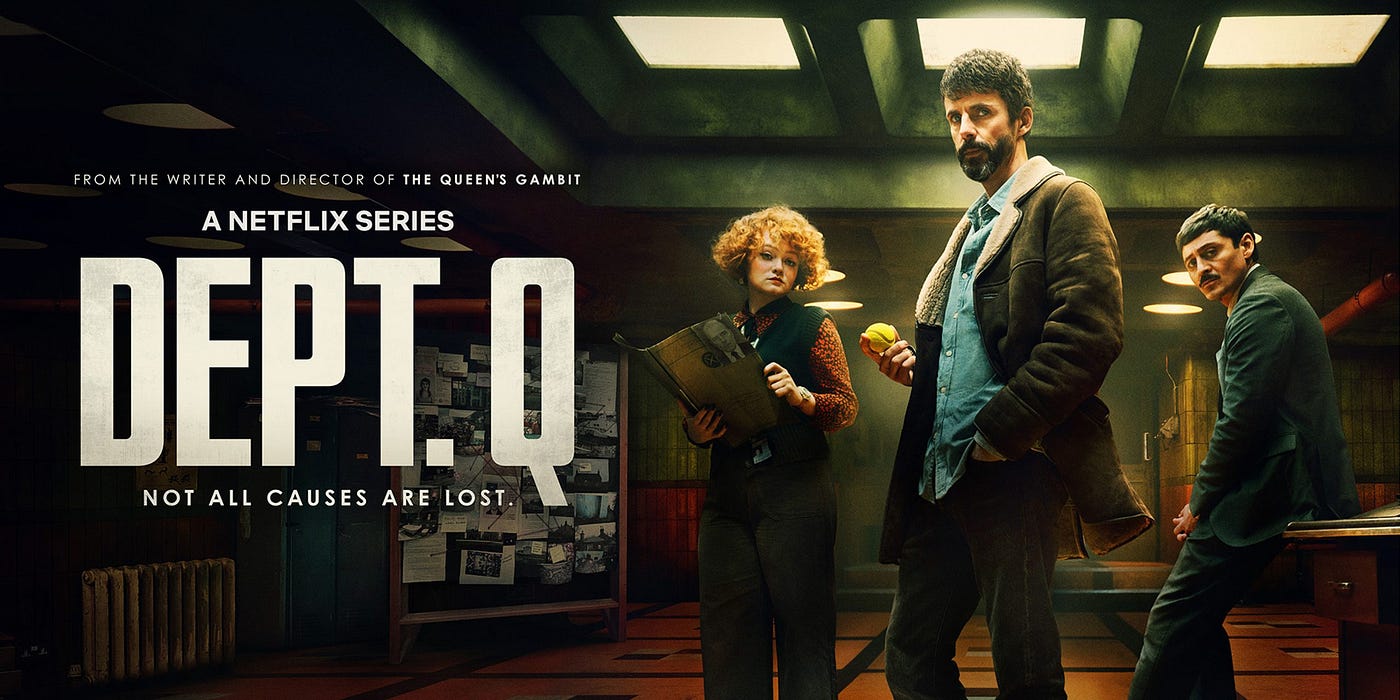
“Department Q,” across its acclaimed film adaptations and the recent Netflix series, stands as a masterful exercise in refining Nordic Noir, earning a commendable 8.0/10. Far from subverting the genre, its brilliance lies in the intensification of established conventions, creating a darkly intricate tapestry of human suffering and the relentless pursuit of belated justice. The “Magic of Story/Script” delivers a compelling non-linear narrative, interweaving past atrocities with present investigations, building tension through slow-burn revelations. Anchored by the cynical yet compelling Carl Mørck and his evolving dynamic with the enigmatic Assad and sharp Rose, the series excels in character development and profound thematic depth, exploring trauma, systemic failure, and the elusive nature of justice with unflinching honesty.
The “Magic of Conceptualisation” consistently maintains a grim, atmospheric tone, whether under Mikkel Nørgaard’s direction or in the Scottish-set Netflix iteration. Stark cinematography and deliberate pacing underscore a gritty realism, while the casting has been profoundly inspired. The Danish films’ character-centric choice of Nikolaj Lie Kaas and Fares Fares forged an iconic duo, a dynamic the Netflix series successfully replicates with Matthew Goode’s “mercurial” Carl Morck and Alexej Manvelov’s “impeccably understated” Akram Salim. This commitment to character-driven narratives elevates the procedural beyond mere plot.
The “Magic of Performance/Execution” in Netflix’s Dept. Q is particularly noteworthy. Goode’s portrayal is a “blackly shining centrepiece,” injecting “grumpy perfection” into the archetypal defective detective. Supported by a “first rate” ensemble, the series embraces a “grimy, gothic treat” aesthetic, transplanting the bleak Nordic atmosphere seamlessly. The rigorous pacing and character-first approach ensure a gripping experience, rewarding patient viewers with a rich, gut-clenchingly tense narrative. “Department Q” solidifies the global appetite for bleak, character-driven crime dramas, proving its significant impact by consistently pushing the boundaries of psychological depth and social commentary within the genre.
🎯 Greybrainer Layer Analysis
The Greybrainer methodology analyses films through three core layers:
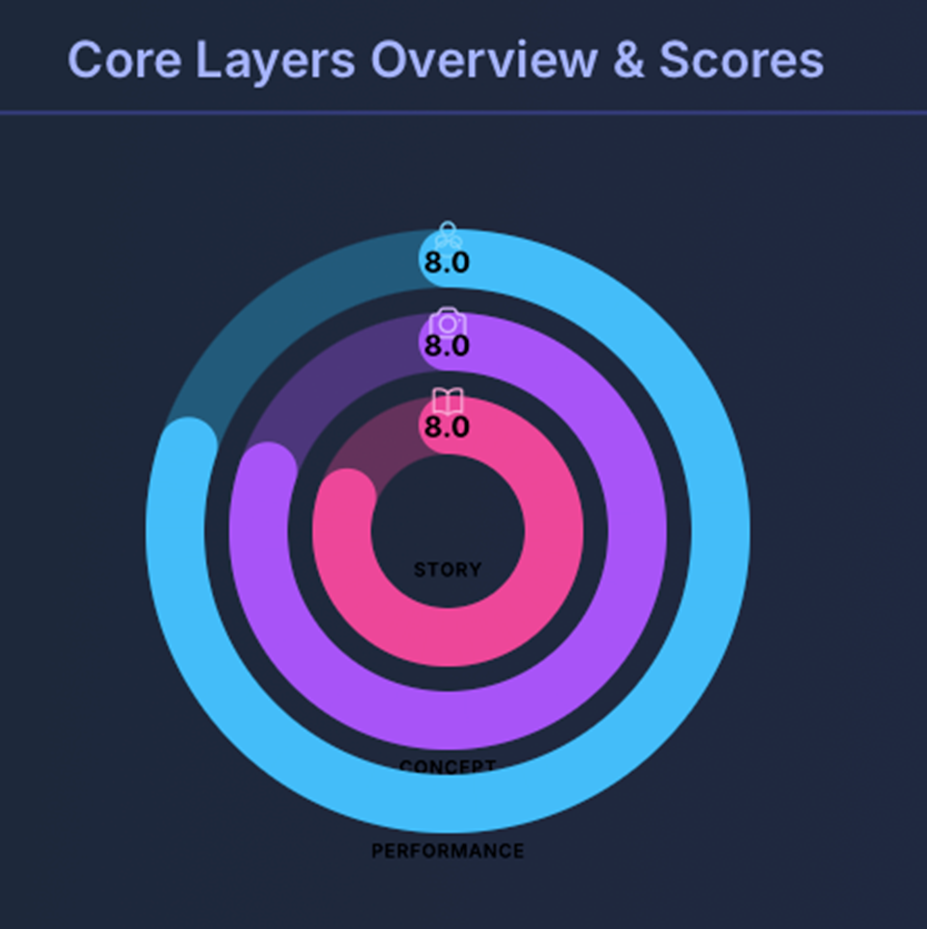
🎯 Core Ring: Magic of Story/Script — 8.0/10
Core idea, narrative, themes, character arcs, originality.
The “Department Q” narrative, whether experienced through its various film adaptations or the broader series, stands as a compelling testament to the enduring appeal of Nordic Noir, meticulously crafted through its “Magic of Story/Script.” This layer is where the series truly distinguishes itself, offering a darkly intricate tapestry of human suffering, systemic failure, and the relentless pursuit of belated justice.
The originality of “Department Q” lies not in revolutionary genre subversion, but in its masterful refinement and intensification of established conventions. The core premise a disgraced detective relegated to a basement cold case unit provides a fertile ground for exploring themes of personal redemption intertwined with the uncovering of forgotten atrocities. Its potential impact is significant, solidifying the global appetite for bleak, character-driven crime dramas that delve deep into societal malaise. The series has carved a niche by consistently delivering narratives that are both intellectually stimulating and emotionally resonant, pushing the boundaries of what a police procedural can explore in terms of psychological depth and social commentary. It’s a dark mirror reflecting the hidden corners of human depravity and the often-fragile nature of justice.
Magic of Story/Script: A Deeper Dive
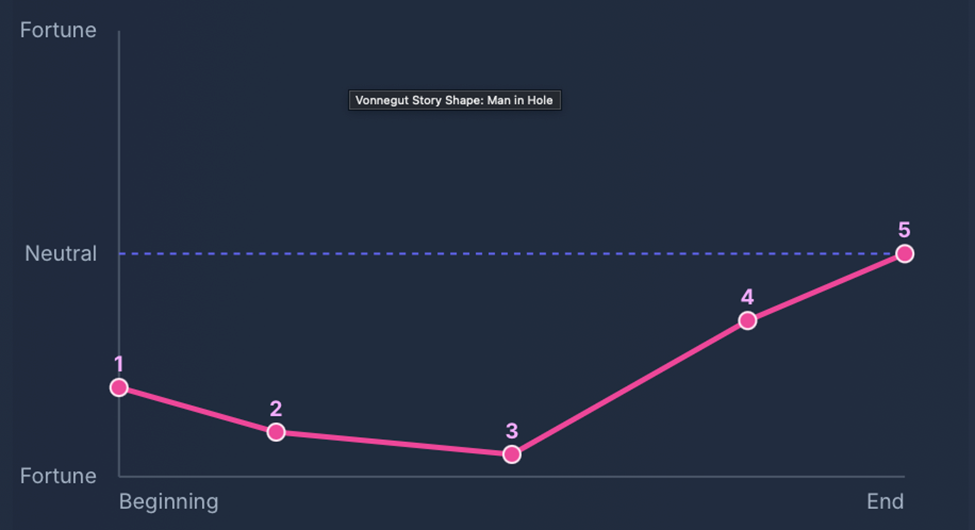
The narrative structure of “Department Q” is a meticulously woven tapestry, often employing a non-linear approach that interweaves the present-day investigation with flashbacks detailing the historical cold case. This dual timeline enriches the mystery, gradually revealing layers of past trauma and injustice, creating a palpable sense of dread and urgency. The pacing is deliberately measured, building tension through slow-burn revelations rather than frantic action, allowing the grim realities of each case to fully sink in.
Character development is arguably the strongest pillar of the “Department Q” universe. Detective Carl Mørck, a cynical, traumatised figure haunted by past failures, anchors the series. His arc is one of grudging re-engagement with humanity and purpose, driven by the harrowing cases he uncovers. His foil, the enigmatic and surprisingly insightful Assad, provides not only a crucial investigative partner but also a moral compass and a source of dry wit. Their evolving, often begrudging, camaraderie is the emotional core. Later additions like Rose, the sharp and often volatile assistant, further complicate and enrich the team dynamic, each character grappling with their own demons, making them profoundly relatable despite the extreme circumstances they face.
Dialogue is typically terse, laced with gallows humor and understated emotion. It serves to deepen character, particularly Mørck’s world-weariness and Assad’s philosophical observations, while efficiently advancing the plot without unnecessary exposition. The conversations feel natural, reflecting the grim, often emotionally repressed world these detectives inhabit.
Thematic depth is profound, consistently exploring the lingering effects of trauma, the elusiveness of true justice, and the dark underbelly of seemingly orderly societies. Issues like systemic abuse, cult indoctrination, political corruption, and the plight of the marginalised are tackled with unflinching honesty.
In terms of originality and genre conventions, “Department Q” firmly plants itself within the Nordic Noir tradition, embracing its characteristic bleakness, moral ambiguity, and focus on psychological realism. It doesn’t radically subvert the genre but innovates through its unique “cold case” premise and the compelling, often dysfunctional, dynamic of its investigative team. While bearing resemblances to other dark procedurals, its specific blend of character-driven trauma and intricate, often socially critical, mysteries sets it apart.
World-building is subtly effective, painting a picture of Copenhagen that is both recognisable and unsettling. The isolated, dusty confines of Department Q itself become a character, a metaphor for the forgotten cases and the marginalised individuals who seek its help.
(Directors for the film series include Mikkel Nørgaard, Hans Petter Moland, and Christoffer Boe. Key recurring cast members in the film adaptations include Nikolaj Lie Kaas as Carl Mørck, Fares Fares as Assad, and Johanne Louise Schmidt as Rose.)
While character arcs are strong, occasionally allowing Carl Mørck more overt moments of vulnerability or small victories beyond case resolution could deepen his personal journey.
Explore the backgrounds of Assad and Rose with slightly more dedicated narrative focus in earlier installments, rather than gradual drips, to fully leverage their compelling potential sooner.
Experiment with narrative perspectives more frequently, perhaps offering glimpses into the victim’s or perpetrator’s lives earlier, to heighten tension and empathy.
💡 Enhancement Opportunities:
While character arcs are strong, occasionally allowing Carl Mørck more overt moments of vulnerability or small victories beyond case resolution could deepen his personal journey.
Explore the backgrounds of Assad and Rose with slightly more dedicated narrative focus in earlier installments, rather than gradual drips, to fully leverage their compelling potential sooner.
Experiment with narrative perspectives more frequently, perhaps offering glimpses into the victim’s or perpetrator’s lives earlier, to heighten tension and empathy.
🔄 Middle Ring: Magic of Conceptualisation — 8.0/10
Director’s vision, editing, casting, overall presentation.
Magic of Conceptualisation: A Deep Dive into Department Q’s Vision
The “Department Q” franchise, particularly its foundational Danish film series, masterfully conceptualises a dark, brooding Nordic Noir aesthetic, blending intricate crime narratives with profound character studies. The directorial vision across the initial films (Mikkel Nørgaard, Hans Petter Moland, Christoffer Boe) consistently maintained a grim, atmospheric tone, utilising stark cinematography and deliberate pacing to build tension and emphasise the psychological weight of the cold cases. Editing choices reinforce this, often employing non-linear storytelling to gradually reveal past horrors and their lingering impact on the present, creating a compelling, often unsettling, viewing experience.
The overall presentation is one of gritty realism, eschewing overt glamor for a grounded depiction of police work and societal decay. This is particularly evident in the choice of locations and the muted color palette, which underscore the bleakness of the crimes investigated.
Regarding “Magic in Casting,” the Danish film series primarily employed a Character-centric approach, which proved to be profoundly Inspired. The consistent casting of Nikolaj Lie Kaas as the cynical, troubled Carl Mørck and Fares Fares as his empathetic, intuitive partner Assad was a stroke of genius. Their evolving, often understated, chemistry became the emotional anchor of the series, transcending typical buddy-cop tropes. Their performances allowed for deep exploration of their characters’ flaws and growth, making them instantly iconic. The subsequent Netflix series, Dept. Q, while opting for a more Star-centric casting with Matthew Goode as Carl Morck and Alexej Manvelov as Akram Salim, along with Leah Byrne as Rose, aims to replicate this character-driven dynamic with a fresh interpretation for a new audience. This re-casting, while initially raising questions for fans of the Danish films, nonetheless seeks to bring a similar inspired quality to the core trio.
The originality of “Department Q” lies not just in its adherence to the successful Nordic Noir formula but in its unwavering commitment to exploring the psychological toll of trauma, both on victims and investigators, and its willingness to tackle uncomfortable societal issues. The potential impact is significant, as it elevates the crime thriller beyond mere procedural, offering a nuanced reflection on justice, morality, and the human condition.
Varying Visual Language:
While consistency is a strength, a more distinct visual signature for each film/season, perhaps reflective of the specific case’s themes, could add further artistic depth without sacrificing the overarching Nordic Noir tone.
Deepen Supporting Character Arcs:
While Carl and Assad are central, further development of supporting characters like Rose (Johanne Louise Schmidt in the films, Leah Byrne in the series) beyond their primary functions could enrich the ensemble and offer additional narrative avenues.
Explore International Collaborations:
The Netflix series’ shift to a Scottish setting demonstrates the potential for cross-cultural adaptations. Future iterations could explore how different national cinematic traditions interpret the source material, leading to diverse conceptualisations.
💡 Enhancement Opportunities:
Varying Visual Language:
While consistency is a strength, a more distinct visual signature for each film/season, perhaps reflective of the specific case’s themes, could add further artistic depth without sacrificing the overarching Nordic Noir tone.
Deepen Supporting Character Arcs:
While Carl and Assad are central, further development of supporting characters like Rose (Johanne Louise Schmidt in the films, Leah Byrne in the series) beyond their primary functions could enrich the ensemble and offer additional narrative avenues.
Explore International Collaborations:
The Netflix series’ shift to a Scottish setting demonstrates the potential for cross-cultural adaptations. Future iterations could explore how different national cinematic traditions interpret the source material, leading to diverse conceptualisations.
🌟 Outer Ring: Magic of Performance/Execution — 8.0/10
Acting, music, cinematography, effects, choreography.
“Magic of Performance/Execution” in Netflix’s Dept. Q demonstrates a compelling blend of atmospheric depth and strong individual performances, contributing significantly to its impact as a crime thriller. Matthew Goode’s portrayal of DCI Carl Morck is frequently highlighted as the series’ “blackly shining centrepiece,” delivering a “grumpy perfection” that elevates the familiar “defective detective” archetype with a “mercurial” and “mesmerising” presence. His ability to convey both arrogance and underlying trauma provides a robust anchor for the narrative. Alexej Manvelov’s “impeccably understated” performance as Akram Salim offers a nuanced counterpoint, while the broader ensemble, including Kelly Macdonald and Mark Bonnar, is consistently praised as “first rate”.
Cinematographically, the series embraces a “grimy, gothic treat” aesthetic, effectively transplanting the bleakness of Nordic noir to a Scottish setting. This visual style, coupled with a “claustrophobic” atmosphere, enhances the show’s dark and twisty nature, immersing viewers in its tense mysteries. While specific details on music and choreography are less prominent in critical reception, Carlos Rafael Rivera’s score likely underpins the show’s “gut-clenchingly tense” narrative, contributing to the overall suspense. The series’ execution, despite drawing on established crime genre tropes, manages to feel gripping due to its rigorous pacing and character-first approach, rewarding patient viewers with a rich narrative.
Enhanced Sound Design:
While the music is present, a more distinctive or innovative sound design could further amplify the psychological tension and unique atmosphere, moving beyond typical thriller conventions.
Dynamic Choreography in Action Sequences:
Incorporating more creatively staged and impactful choreography in any action or confrontational scenes could add a layer of visceral realism and originality, distinguishing it from other procedurals.
Subtler Visual Effects:
If any visual effects are used for grim or shocking elements, ensuring they serve the narrative with subtlety rather than overt spectacle could maintain the grounded, gritty tone established by the cinematography.
💡 Enhancement Opportunities:
Enhanced Sound Design:
While the music is present, a more distinctive or innovative sound design could further amplify the psychological tension and unique atmosphere, moving beyond typical thriller conventions.
Dynamic Choreography in Action Sequences:
Incorporating more creatively staged and impactful choreography in any action or confrontational scenes could add a layer of visceral realism and originality, distinguishing it from other procedurals.
Subtler Visual Effects:
If any visual effects are used for grim or shocking elements, ensuring they serve the narrative with subtlety rather than overt spectacle could maintain the grounded, gritty tone established by the cinematography.
🚀 Overall Enhancement Opportunities
Deepen Ensemble Narratives:
While Carl and Assad are central, dedicating earlier and more substantial narrative focus to the backgrounds and personal arcs of supporting characters like Rose and other team members could enrich the ensemble and open new emotional avenues.
Varying Sensory Language:
While consistency is a strength, experimenting with more distinct visual language or innovative sound design for each case could add artistic depth and amplify psychological tension beyond typical thriller conventions, reflecting the unique themes of each mystery.
Strategic Narrative Perspectives:
Occasionally shifting perspective to offer glimpses into victims’ or perpetrators’ lives earlier in the narrative could heighten empathy, introduce moral ambiguity, and build tension more dynamically, rather than relying solely on the detective’s viewpoint.
This analysis was generated using Greybrainer AI, a comprehensive movie review methodology that evaluates films through multiple analytical layers.
Methodology Note: Greybrainer uses a three-layer concentric analysis approach:
-
Core (Story): Narrative foundation, themes, character development
-
Middle (Conceptualisation): Director’s vision, editing, casting decisions
-
Outer (Performance): Acting, cinematography, music, technical execution
Related Greybrainer Reads
GREYBRAINER
AI-Powered Cinematic Intelligence