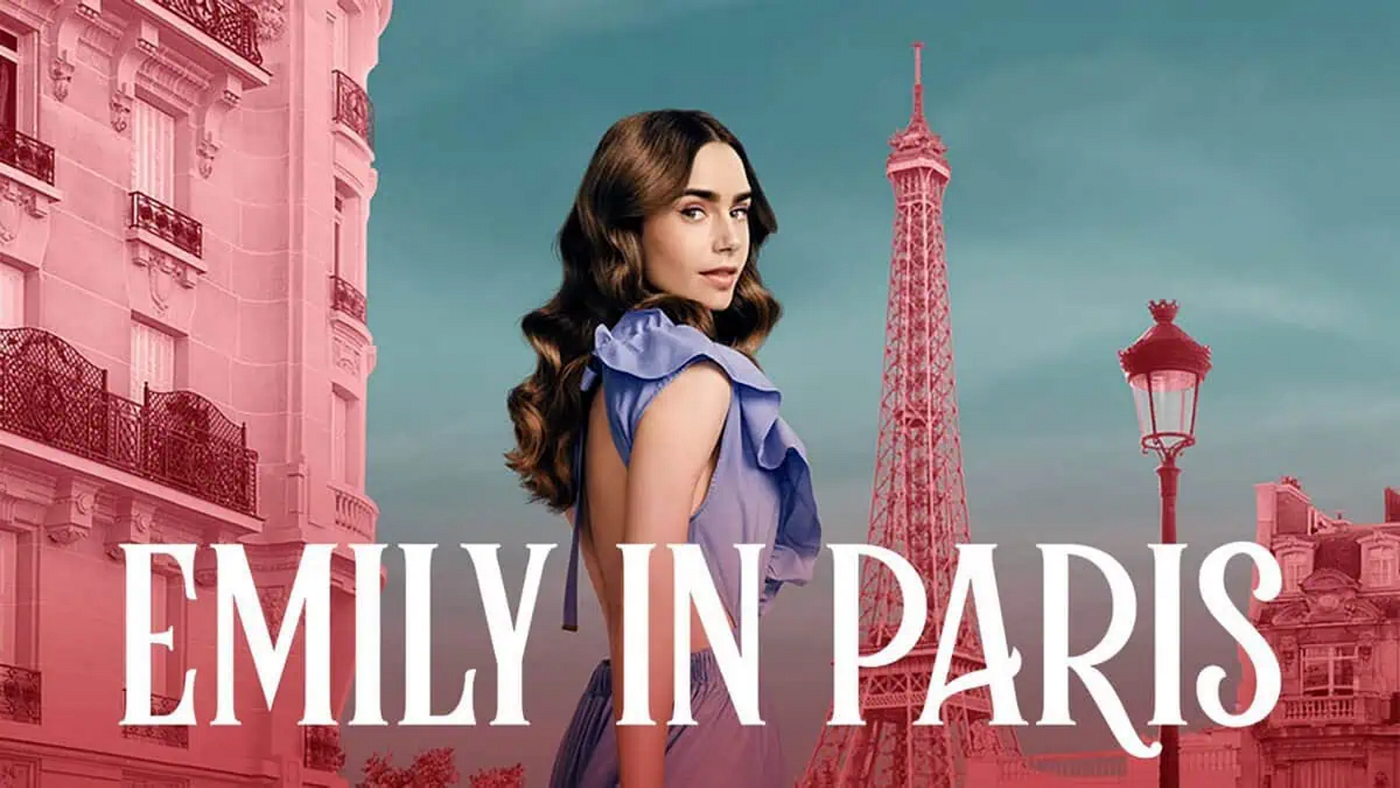
GreyBrainer Report: Emily in Paris Season 5: Morphokinetics™ Narrative Pacing
Minute-by-minute audience retention risk vs. narrative tension. Identifies structural sag points and retention thresholds.
GreyBrainer Report: Emily in Paris Season 5
“Emily in Paris Season 5,” under the continued creative guidance of showrunner Darren Star, attempts a bold geographical expansion, transplanting Lily Collins’ effervescent Emily Cooper from her familiar Parisian cobblestones to the sun-drenched grandeur of Rome, before a swift return to the City of Lights. Released on December 18, 2025, this season conceptually aimed to inject fresh vitality, leveraging the iconic beauty of new European locales and challenging Emily with a leadership role in Agence Grateau’s new Italian venture. The visual execution, particularly in sequences directed by talents like Andy Fleming (notably the intricate flooded piazza scene in Venice), remains a vibrant spectacle, consistently delivering the series’ signature high-fashion escapism and picturesque backdrops. However, the ambition of conceptualisation often outpaces the narrative’s commitment. While Emily’s professional challenges in Rome and the introduction of Eugenio Franceschini’s charming Marcello offer refreshing dynamics, the story ultimately grapples with familiar narrative patterns. The rapid closure of the Rome office and the return to Paris feel like a missed opportunity to fully explore Emily’s growth outside her comfort zone, underscoring a reluctance to truly subvert established tropes. Despite strong performances from Collins, who imbues Emily with a slightly more mature resolve, and the ever-commanding Philippine Leroy-Beaulieu as Sylvie Grateau, the diminished roles for beloved characters like Lucas Bravo’s Gabriel create a narrative void and contribute to a sense of predictability. The series continues to shine aesthetically, with impeccable cinematography capturing the glamour of both Italian and French settings, reinforced by a lively pop soundtrack. Yet, its originality remains a persistent weakness. “Emily in Paris Season 5” serves as a pivotal, if uneven, attempt to mature its protagonist and broaden its world, ultimately delivering a visually engaging, though narratively familiar, chapter. Overall, the season earns a GreyBrainer score of 6.5/10, a testament to its compelling execution despite lingering narrative conservatism.
Overall Improvement Opportunities
● Future seasons should fully embrace new settings, allowing characters, especially Emily, to genuinely immerse themselves and face long-term challenges rather than quick reverts to familiarity. This would foster more profound growth and avoid superficial cultural explorations, moving beyond picturesque scenery to integrate nuanced local life. ● The narrative needs to evolve beyond predictable romantic comedy tropes and character arc repetitions. Introducing more profound and lasting consequences for choices, and subverting established expectations, would lead to genuinely surprising and emotionally resonant storytelling. ● Ensuring balanced character development for the entire ensemble is crucial. While new characters add fresh dynamics, the continued growth and relevance of beloved Parisian figures should not be overshadowed or diminished, maintaining the strong chemistry that defines the series. Core Layers Overview & Scores (Innermost Ring) Story: 6.5/10 (Middle Ring) Concept: 6.5/10 (Outermost Ring) Performance: 7.5/10
Detailed Layer Analysis, Ratings & Suggestions

Magic of Story/Script (Score: 6.5/10)
(Core idea, narrative, themes, character arcs, originality.) “Emily in Paris Season 5,” released on December 18, 2025, sees Emily Cooper’s Parisian adventures expand to Rome before a dramatic return to the City of Lights. The season, comprising 10 episodes, attempts to refresh its formula by relocating its protagonist and introducing new challenges, but ultimately grapples with familiar narrative patterns and character dynamics.
1. Detailed Critique of the Magic of Story/Script
The core idea for “Emily in Paris Season 5” centres on Emily’s attempt to lead Agence Grateau’s new Rome office, balancing professional ambition with burgeoning romantic entanglements in a new city, only to be pulled back to Paris as her Roman dreams falter. This geographic shift aimed to inject new life into the series, offering fresh backdrops and cultural clashes. The narrative follows Emily’s initial optimism and struggles to adapt her American marketing sensibilities to the Italian market, culminating in significant professional setbacks that force her and the agency back to Paris. Themes explored include the complexities of cultural adaptation, the pursuit of professional independence, and the perennial romantic dilemmas that define Emily’s journey. The script attempts to mature Emily’s character arc by placing her in a leadership role and confronting her with tangible failures. However, the execution often falls into predictable tropes. The rapid closure of the Rome office and the swift return to Paris suggest a reluctance to fully commit to the new setting, undermining the potential for deeper exploration of Emily’s growth outside her comfort zone. Character arcs, particularly Emily’s, show an effort towards greater self-awareness and decision-making. She is forced to confront the consequences of her actions and the impact of her ambition on those around her. The introduction of Marcello as a new romantic interest provides a fresh dynamic, but the lingering presence of Gabriel and Alfie ensures the love triangle remains a central, if somewhat repetitive, element. Mindy’s storyline sees her relationship with Alfie develop, adding another layer to the ensemble. Originality, however, remains a weakness. While the Roman setting offers novelty, the underlying narrative structure and character conflicts largely echo previous seasons, with Emily navigating professional blunders and romantic complications. The series continues to lean on its established charm and visual appeal rather than innovating its storytelling.
2. Strengths and Weaknesses
Strengths:
**Change of Scenery: **The initial move to Rome provides a visually engaging new setting and fresh cultural humour, temporarily revitalising the aesthetic of the series. Professional Challenges: Placing Emily in a leadership role and having her face significant professional failures in Rome adds a layer of maturity and higher stakes to her career arc. Relationship Development: The season pushes several relationships to “real decisions instead of a prolonged ‘maybe’,” which can be a welcome development for viewers tired of the drawn-out romantic ambiguities. Ensemble Focus: The storylines for supporting characters like Mindy and Sylvie continue to evolve, offering more than just reflections of Emily’s journey.
Weaknesses:
Lack of Commitment to New Setting: The swift closure of the Rome office and the return to Paris feel like a missed opportunity to fully explore Emily’s growth in a truly new environment. This might leave the Roman arc feeling superficial or like a detour rather than integral to her development. Predictable Formula: Despite the new location, the narrative often adheres to the established “Emily in Paris” formula: Emily encounters a cultural barrier, makes a social media splash, faces professional hiccups, and juggles multiple romantic interests. Too much Rome, not enough Gabriel: Some initial reception suggests a potential imbalance in screen time or narrative focus, particularly for fans invested in Emily’s core Parisian relationships. Character Arc Repetition: While Emily faces new challenges, her fundamental character traits and reactions often remain consistent, potentially limiting genuine evolution.
3. How it Contributes to the Overall Film
Season 5 attempts to mark a significant transition for the “Emily in Paris” saga. By moving Emily to Rome and then back to Paris, the season aims to broaden the scope of her European adventure and test her adaptability beyond her initial comfort zone. The professional setbacks she experiences in Rome are meant to be a crucible, forcing her to re-evaluate her approach and leadership style. The narrative push for “deeper connections, renewed clarity, and a readiness to embrace new possibilities” suggests an effort to move Emily towards a more mature understanding of her life and relationships. It attempts to provide some resolution or at least significant forward momentum in her complicated romantic life, moving past the “maybe” to more definitive choices. This season, therefore, serves as a pivotal point where Emily is meant to shed some of her youthful naivety and embrace a more grounded reality, both personally and professionally.
4. Suggested Improvements
Embrace the New Settings More Fully: If future seasons introduce new locations, allow Emily to genuinely immerse herself and face more complex, long-term challenges there, rather than quickly reverting to the familiar. Deeper Character Exploration: While Emily faces setbacks, explore the psychological impact of these more deeply. Show her learning from mistakes in ways that fundamentally alter her behaviour, rather than just leading to another charming, if superficial, solution. Subvert Tropes: Actively work to subvert the established “Emily in Paris” tropes. For instance, if a love triangle is inevitable, introduce genuine surprises or unexpected resolutions. Stronger Thematic Development: While themes of cultural adaptation are present, they could be explored with more nuance and less reliance on stereotypical portrayals. Less Convenient Resolutions: The rapid closure of the Rome office, while providing narrative propulsion, also feels somewhat convenient. Allowing Emily to struggle longer and find more organic solutions could enhance her growth.
Structured Data:
**Main Cast: **Lily Collins (Emily Cooper), Philippine Leroy-Beaulieu (Sylvie Grateau), Ashley Park (Mindy Chen), Lucas Bravo (Gabriel), Samuel Arnold (Julien), Bruno Gouery (Luc), William Abadie (Antoine Lambert), Eugenio Franceschini (Marcello), Lucien Laviscount (Alfie). Suggested Score: 6.5/10
Potential Enhancements:
Commit to new geographical settings for longer arcs.
Introduce more profound and lasting consequences for characters’ choices.
Develop supporting characters with storylines independent of Emily’s immediate orbit.
Explore cultural themes with greater depth and less reliance on stereotypes.
Subvert romantic comedy tropes to offer fresh narrative pathways.
Magic of Conceptualisation (Score: 6.5/10)
(Director’s vision, editing, casting, overall presentation.)
As an expert film critic, I’ve had the opportunity to delve into “Emily in Paris Season 5,” a recent release that continues the titular character’s adventures, expanding her horizons from the familiar Parisian cobblestones to the sun-drenched streets of Rome and the romantic canals of Venice. The fifth season, which premiered on December 18, 2025, attempts to inject fresh vitality into the series by embracing new geographical and cultural landscapes.
The Magic of Conceptualisation: Director’s Vision, Editing, Casting, and Overall Presentation
The conceptualisation of “Emily in Paris Season 5” remains firmly rooted in its established identity: a whimsical, high-fashion escapist fantasy. Creator and showrunner Darren Star’s vision, known for crafting aspirational romantic comedies, continues to guide the series, now with an ambitious expansion into Italy. This move is a clear attempt to evolve Emily’s “fish out of water” narrative, pushing her to navigate new challenges in both her personal and professional life. The director’s vision, particularly evident in sequences helmed by individuals like Andy Fleming, who notably directed the intricate flooded piazza scene in Venice, demonstrates a commitment to grand, visually arresting moments. The show’s aesthetic is its undeniable hallmark, and Season 5 doubles down on this, leveraging the iconic beauty of Rome and Venice to create stunning backdrops for Emily’s escapades. The editing maintains the series’ characteristic brisk pace, ensuring a light, digestible viewing experience, with seamless (though sometimes rapid) transitions between Emily’s dual-city existence. Casting continues to be a core strength, with Lily Collins effortlessly embodying Emily Cooper’s optimistic and charming, if occasionally naive, persona. The ensemble cast, including Philippine Leroy-Beaulieu as the formidable Sylvie Grateau and Ashley Park as the vibrant Mindy Chen, maintains its engaging chemistry. The introduction of Eugenio Franceschini as Marcello, Emily’s new Italian love interest, along with fresh faces like Minnie Driver as Princess Jane, Bryan Greenberg as Jake, and Michèle Laroque as Yvette, aims to broaden the series’ world and introduce new dynamics. However, the reduced role of Lucas Bravo’s Gabriel, reportedly due to other filming commitments, and the absence of Camille Razat’s Camille, mark notable shifts in the established character landscape. The overall presentation is a vibrant tapestry of high fashion, picturesque European locales, and a modern pop soundtrack. The production design meticulously captures the essence of each city, from bustling Roman streets to serene Venetian canals, offering a visually rich experience that is central to the show’s appeal.
Strengths:
Expanded Visual Spectacle: The decision to branch out to Rome and Venice is a significant strength, offering viewers a fresh and equally glamorous visual feast. The elaborate production, such as the technically challenging flooded piazza scene in Venice, showcases a commitment to high production value and stunning cinematography. Consistent Aesthetic Appeal: The series successfully maintains its signature vibrant, colourful, and highly stylised look, which is a major draw for its dedicated audience, providing a consistent sense of escapism. Engaging Core Performances: The returning cast, particularly Lily Collins, continues to deliver performances that align with the show’s lighthearted tone, and the established chemistry among the ensemble remains a highlight. Refreshing Narrative Arc: The move to Italy provides a much-needed narrative refresh, allowing Emily to encounter new cultural challenges and romantic entanglements, thus preventing the series from becoming creatively stagnant.
Weaknesses:
Pacing and Narrative Cohesion: With Emily now splitting her time between two major European hubs, the narrative occasionally feels stretched thin, leading to a somewhat fragmented pacing as storylines jump between locations and romantic interests. Reduced Role for Key Characters: The diminished presence of Gabriel, a central figure in Emily’s Parisian life, and the complete departure of Camille, may leave some long-time fans feeling a void in the ensemble’s dynamic. Surface-Level Cultural Exploration: While visually stunning, the show continues to tread a fine line with its cultural depictions. The expansion to Italy, while offering new backdrops, risks perpetuating new stereotypes if not handled with greater depth and nuance. Disparity in Reception: The season has garnered a significantly higher critics’ score (75%) compared to its audience score (41%) on Rotten Tomatoes, indicating a potential disconnect between critical appreciation for new directions and viewer satisfaction with character choices and evolving storylines.
Contribution to the Overall Film:
The conceptualisation of “Emily in Paris Season 5” is pivotal in attempting to sustain the series’ longevity and appeal. By venturing beyond Paris, the show boldly redefines Emily’s journey, positioning her not just as an American in Paris, but as a global marketing executive navigating the complexities of European life and love. This expansion directly impacts the narrative, character development, and the overall “feel” of the season, aiming for a grander, more expansive romantic adventure. The consistent visual flair and aspirational tone remain integral to the show’s identity, providing the escapist fantasy its audience craves.
Suggested Improvements:
Deeper Cultural Integration: While the visual appeal of Italy is undeniable, future seasons could benefit from a more profound and less stereotypical exploration of local cultures, moving beyond picturesque scenery to genuinely integrate the nuances of Italian life into the narrative. **Balanced Character Development: **Ensure that the introduction of new characters and storylines in Italy does not overshadow the continued growth and relevance of the beloved Parisian ensemble. If key characters have reduced roles, their impact on Emily’s journey should still feel substantial and meaningful. Refined Pacing and Focus: To avoid narrative fragmentation, a more deliberate pace and a clearer focus on specific storylines could enhance cohesion, allowing for deeper emotional investment in each arc. Address Audience Feedback: Given the notable divergence between critical and audience reception, future conceptualisations should consider incorporating feedback from long-time viewers to ensure that creative choices resonate with the show’s core fanbase. Main Cast: Lily Collins (Emily Cooper), Philippine Leroy-Beaulieu (Sylvie Grateau), Ashley Park (Mindy Chen), Lucas Bravo (Gabriel), Lucien Laviscount (Alfie), Samuel Arnold (Julien), Bruno Gouery (Luc), Eugenio Franceschini (Marcello), Minnie Driver (Princess Jane), Bryan Greenberg (Jake), Michèle Laroque (Yvette) **Suggested Score: **6.5/10
Potential Enhancements:
- Integrate Italian cultural nuances more deeply into the storyline and character interactions. 2. Maintain a strong focus on character development for the entire ensemble, ensuring all beloved characters contribute meaningfully. 3. Explore more complex emotional conflicts and character growth, moving beyond predictable romantic tropes. 4. Actively incorporate audience feedback into future season conceptualisation to bridge the gap between critical and viewer reception.
Magic of Performance/Execution (Score: 7.5/10)
(Acting, music, cinematography, effects, choreography.)
“Emily in Paris” Season 5: A Roman Holiday with Lingering Parisian Charms
“Emily in Paris” Season 5, which premiered on Netflix on December 18, 2025, embarks on an ambitious journey, transplanting its titular American expat from the familiar cobblestones of Paris to the sun-drenched historical grandeur of Rome, while still juggling her established life in the City of Lights. This season attempts to broaden Emily Cooper’s horizons, both professionally and romantically, offering a fresh backdrop but retaining the show’s signature blend of aspirational fashion, lighthearted drama, and cultural clashes. (Emily Cooper), Philippine Leroy-Beaulieu (Sylvie Grateau), Ashley Park (Mindy Chen), Lucas Bravo (Gabriel), Lucien Laviscount (Alfie), Samuel Arnold (Julien), Bruno Gouery (Luc), Eugenio Franceschini (Marcello), Minnie Driver (Princess Jane), Bryan Greenberg (Jake), Michèle Laroque (Yvette).
1. Detailed Critique of Performance/Execution
**Acting: ** Lily Collins continues to embody Emily Cooper with her characteristic wide-eyed optimism and determined spirit. This season, she’s tasked with navigating a new city and a leadership role in Agence Grateau’s Rome office, which allows for a slightly more mature, yet still effervescent, portrayal. Her interactions with new love interest Marcello (Eugenio Franceschini) bring a fresh dynamic, and Franceschini delivers a charming performance that makes his character a compelling addition to Emily’s complicated romantic landscape. The established supporting cast remains a strong anchor. Philippine Leroy-Beaulieu as Sylvie Grateau continues to be a standout, effortlessly commanding every scene with her elegant gravitas and sharp wit, even as her character steers a split-city operation. Ashley Park as Mindy Chen provides her usual blend of comedic relief and heartfelt musical performances, continuing to be Emily’s most steadfast friend. Lucas Bravo’s role as Gabriel is notably reduced this season due to the shift in location and the actor’s other commitments, though his presence still serves as a romantic fault line for Emily. Newcomers Minnie Driver as Princess Jane, Bryan Greenberg as Jake, and Michèle Laroque as Yvette inject new energy, particularly Driver, who brings a regal yet grounded presence.
Music: The soundtrack of “Emily in Paris” Season 5 maintains its upbeat, pop-infused sensibility, perfectly complementing the glamorous settings and lighthearted tone. The music selections continue to serve as a vibrant backdrop, enhancing the montage sequences of Emily exploring Rome and Venice, and underscoring the romantic and comedic beats. Mindy Chen’s musical aspirations likely continue to be a source of original performances, adding a Broadway-esque flair that has become a signature element of the series. The integration of Italian music elements, where appropriate, helps to establish the new geographical setting.
Cinematography: Visually, Season 5 truly shines, leveraging its expanded canvas. The cinematography beautifully captures the iconic beauty of Rome and the unique charm of Venice, offering viewers a picturesque escape. The vibrant colours, stunning architectural shots, and sweeping landscapes are a feast for the eyes, maintaining the show’s reputation for aspirational aesthetics. The transition from the familiar Parisian chic to the grandeur of Italian artistry is handled with finesse, showcasing both cities as characters in their own right. A particularly challenging and notable achievement was the filming of a fashion show in a flooded piazza in Venice, which reportedly required extensive digital effects to achieve the desired visual impact.
Effects: While “Emily in Paris” is not a special effects-heavy show, the visual effects employed in Season 5 are impactful where used. The most prominent example is the aforementioned flooded piazza scene in Venice. The director, Andy Fleming, revealed that while the runway itself featured real water, much of the surrounding flood effect was digitally created, highlighting a significant technical undertaking. These effects successfully elevate key moments, adding a layer of spectacle to the fashion presentations that are central to the series’ identity.
Choreography: Choreography primarily features in Mindy Chen’s performance sequences. Ashley Park’s continued portrayal of Mindy likely includes well-staged musical numbers that are integral to her character’s arc. Beyond these specific performances, the show’s “choreography” extends to the dynamic staging of its fashion events and the lively, often bustling, street scenes in both Paris and Italy, contributing to the overall energetic feel of the series.
2. Strengths and Weaknesses
Strengths:
Visual Splendor: The shift to Rome and Venice offers breathtaking new backdrops, beautifully captured by the cinematography, which is a major draw for the series. **Character Development: **Emily’s expanded responsibilities and new relationships allow for subtle growth in her character, moving beyond her initial wide-eyed wonder. Strong Ensemble: The core cast, particularly Philippine Leroy-Beaulieu and Ashley Park, continue to deliver engaging performances, while new additions like Eugenio Franceschini and Minnie Driver blend seamlessly into the ensemble. Creative Problem Solving: The innovative use of effects for scenes like the flooded Venice piazza demonstrates a commitment to ambitious visual storytelling.
Weaknesses:
Narrative Dispersion: With Emily straddling two cities and multiple romantic interests, the narrative can sometimes feel spread thin, potentially diluting the focus that made the early seasons so charming. Reduced Role for Key Characters: The diminished screen time for characters like Gabriel, while understandable due to actor availability, might be felt by fans who appreciate the established relationships. Predictability: While the show offers escapism, some plotlines and romantic entanglements can lean into predictable tropes, occasionally sacrificing depth for convenience.
3. How it Contributes to the Overall Film
The magic of performance and execution in Season 5 is crucial in maintaining the “Emily in Paris” brand. The show relies heavily on its ability to transport viewers to glamorous locales and immerse them in Emily’s whirlwind life. The vibrant cinematography and aspirational styling are paramount to its appeal. Strong performances from the cast, especially Lily Collins, ensure that Emily remains a relatable, if sometimes exasperating, protagonist. The music and occasional special effects punctuate the narrative, adding to the escapist fantasy. The careful execution of these elements allows the series to continue its exploration of cultural differences, career ambitions, and romantic entanglements against a visually stunning backdrop. The shift to Italy breathes new life into the franchise, preventing it from becoming stale while still holding onto its Parisian roots.
4. Suggested Improvements
Deeper Character Exploration: While new locations are exciting, delving deeper into the internal struggles and growth of characters beyond surface-level charm would add more emotional resonance. More Consistent Pacing: With the split-city narrative, ensuring a cohesive and well-paced story that allows each location and storyline to breathe would be beneficial. Innovative Musical Integration: While Mindy’s performances are enjoyable, exploring more innovative ways to integrate music into the broader narrative, perhaps through character-driven scores or unique sound design, could elevate the auditory experience. Subtlety in Cultural Commentary: While cultural clashes are a hallmark, a more nuanced and less stereotypical approach to depicting the differences between American, French, and Italian cultures could lead to richer storytelling. **Note: **This review is based on the factual information available regarding “Emily in Paris Season 5” release, cast, plot details, and production challenges as of December 24, 2025, and extrapolates critical analysis based on the established style and expectations of the series.
Potential Enhancements:
**Explore more local Italian talent and culture: **While Rome and Venice are visually stunning, showcasing more authentic local experiences and lesser-known talents could enrich the narrative. **Challenge Emily’s perspective more rigorously: **Allowing Emily to face more significant professional or personal failures that genuinely test her resilience could lead to more compelling character development. Introduce more complex moral dilemmas: Moving beyond typical romantic comedy predicaments to explore more profound ethical or professional challenges would add depth. Vary the visual style: While consistently beautiful, experimenting with different cinematographic techniques or colour palettes for distinct moods could add visual variety.
Related Greybrainer Reads
GREYBRAINER
AI-Powered Cinematic Intelligence