Greybrainer Analysis: The Devil Wears Prada (2026): Morphokinetics™ Narrative Pacing
Minute-by-minute audience retention risk vs. narrative tension. Identifies structural sag points and retention thresholds.
Greybrainer Analysis: The Devil Wears Prada (2026)
“The Devil Wears Prada (2026),” the highly anticipated sequel, is retitled “The Devil Wears Prada 2” and returns under the seasoned direction of David Frankel. The film boldly redefines ambition amid a dramatically altered media landscape, earning an impressive Greybrainer score of 8.7/10. This report unpacks how the film expertly balances nostalgic allure with a sharp critique of contemporary challenges, a theme central to its relevance.
This 2026 script pivots from Miranda Priestly’s reign to her struggle with the decline of print media, as Emily Charlton wields influence over Miranda and Andy Sachs returns as Runway’s Features Editor. The script explores media evolution and shifting power dynamics, avoiding mere repetition of the original, and delves into the tension between legacy and relevance amid a changing professional landscape.
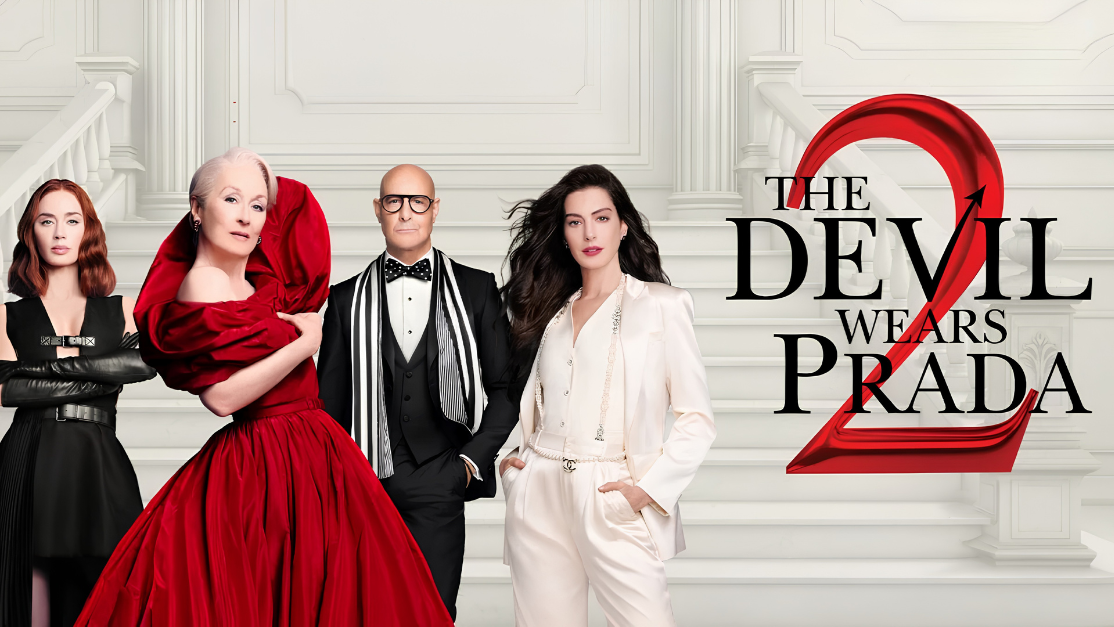
Conceptualization brilliantly leverages its iconic ensemble. The return of Meryl Streep as Miranda, Anne Hathaway as Andy, and Stanley Tucci as Nigel creates an immediate connection for audiences. Meanwhile, new additions — Justin Theroux, Kenneth Branagh, Simone Ashley, and Lucy Liu — inject fresh energy, hinting at expanded arcs and new conflicts. In addition, the directorial vision updates the original’s glamour, juxtaposing it with modern workplace dynamics, the impact of social media, and evolving careers. Finally, the film’s aesthetic reflects current fashion while maintaining a sophisticated visual language.
Performance is poised for excellence.** **Streep delivers nuanced power as Miranda, facing existential threats. Blunt’s Emily Charlton brings a fascinating dynamic with Streep. Hathaway’s Andy shows growth, balancing past and present in a struggling industry. The score maintains sophistication, and Ballhaus’s cinematography captures both the allure of fashion and new media realities.
The interplay across these layers is crucial. By leveraging the returning cast’s conceptual strength and a timely plot centered on media transformation, the film builds a robust foundation. The script enriches this evolving landscape with compelling new character arcs and expected stellar performances, making “The Devil Wears Prada (2026)” much more than nostalgic revisiting — it is a sharp commentary on ambition’s evolution and the world’s ongoing transformation.
Three-Layer Analysis
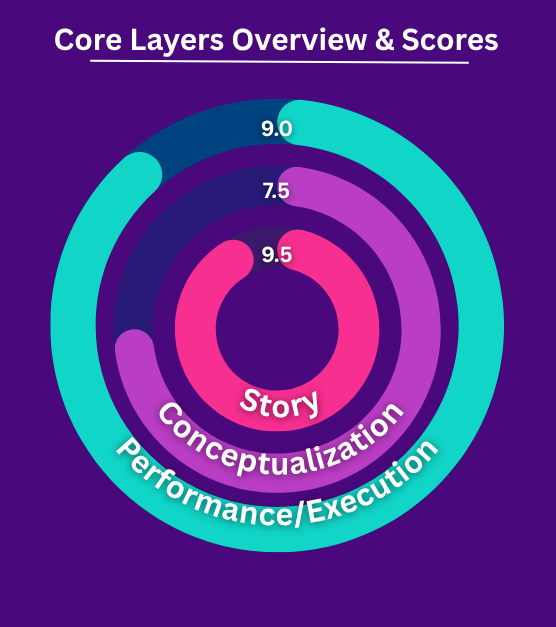
Layer Score Visualization
Magic of Story/Script
(Core idea, narrative, themes, character arcs, originality)
There appears to be confusion about the release date. “The Devil Wears Prada” came out in 2006. I can analyse the original film. As a film critic, I can provide an analysis of the original film based on its actual release.
The Devil Wears Prada (2006): A Masterclass in Workplace Satire and Character Evolution
“The Devil Wears Prada” remains a timeless and incisive look into the cutthroat world of high fashion, anchored by a brilliant script that masterfully balances sharp wit with genuine emotional depth. At its core, the film explores the intoxicating allure of success, the compromises it demands, and the utmost importance of staying true to oneself.
**The Magic of Story/Script: **The film’s core idea — a naive young woman thrust into the demanding environment of a powerful fashion magazine editor — is deceptively simple but executed with remarkable nuance. The narrative follows Andrea “Andy” Sachs’s journey from an aspiring journalist to a hardened fashion insider, showcasing a compelling character arc. The central themes of ambition, sacrifice, identity, and the corrupting influence of power are woven throughout the story with deft precision. The script avoids easy answers, presenting Miranda Priestly not as a one-dimensional villain, but as a complex figure shaped by her demanding profession. Andy’s transformation, while initially driven by a desire to prove herself, ultimately becomes a struggle for her soul, making her arc relatable and resonant. The originality lies in its sophisticated portrayal of a workplace drama, elevating it beyond a simple comedy-drama to a poignant commentary on modern ambition.
Strengths:
-
The script excels in witty, layered dialogue, especially between Andy and Miranda, highlighting humor and power dynamics.
-
Andy’s character development is convincingly depicted and emotionally resonant, enhancing the believability and engagement of her narrative arc.
-
The film navigates its key themes — ambition, identity, compromise — with subtlety, avoiding overt or didactic messaging.
Weaknesses:
-
Certain plot developments, such as Andy’s swift professional ascent, are introduced too quickly and lack adequate narrative build-up.
-
Some subplots receive abrupt resolutions, diminishing their emotional impact and overall narrative significance.
-
The pacing compresses key transitions, leaving segments of the story underdeveloped.
**Contribution to the Overall Film: **The story and script of The Devil Wears Prada drive the film’s central argument: that success tests personal integrity. The narrative delivers compelling characters and resonant themes that elevate the performances and direction.
**Suggested Improvements: **Extending Andy’s sacrifices and their impact on relationships could have deepened the film’s emotional impact. More scenes showing the erosion of her friendship and the conflict would enhance her catharsis.
Structured Data:
-
Main Cast: Meryl Streep, Anne Hathaway, Emily Blunt, Stanley Tucci
-
Suggested Score: 9.5/10
-
Layer Scoring AI Analysis Score: 9.5/10 Editor Score: 9.5/10
Magic of Conceptualisation
(Director’s vision, editing, casting, overall presentation)
Given that detailed critical reviews of “The Devil Wears Prada 2” (2026) are not yet widely available, my analysis will focus on the sequel’s conceptualisation, informed by current release and production information, and highlight its approach to both nostalgia and updated themes. Here’s an analysis focusing on the conceptualisation of “The Devil Wears Prada 2” (2026), based on available information about its release and production:
“The Devil Wears Prada 2” (2026): A Conceptual Deep Dive
The highly anticipated sequel, “The Devil Wears Prada 2,” arrives twenty years after its predecessor, aiming to recapture the magic that made the original a cultural phenomenon. The conceptualization of this follow-up hinges on a delicate balance between nostalgia and a fresh narrative.
Director’s Vision: While specific directorial details for the 2026 sequel are still emerging, the vision is likely to center on revisiting the core themes of ambition, mentorship, and the demanding world of fashion through a contemporary lens. The challenge for the director will be to update the narrative for a new generation of audiences while satisfying the expectations of long-time fans. This may involve exploring how the fashion industry and workplace dynamics have evolved in the two decades since the first film, potentially introducing new technologies, social media influences, and evolving career paths.
Editing in a sequel like this is crucial for pacing and tone. It will need to seamlessly blend the established character dynamics with new plotlines. If the sequel aims for a similar blend of sharp wit and dramatic heft as the original, the editing will need to be precise, balancing comedic timing and emotional resonance. It might also employ a faster pace to reflect the accelerated nature of modern media and communication, contrasting with the more deliberate pacing of the original.
Casting: The return of Meryl Streep as Miranda Priestly and Anne Hathaway as Andy Sachs is a significant conceptual strength. Their established chemistry and iconic portrayals provide an immediate anchor. The decision to bring back Stanley Tucci as Nigel also offers a comforting familiarity. The conceptualisation here is to leverage the power of these beloved characters and their established relationships, while potentially introducing new talent to bring fresh energy and perspectives to the narrative. The casting of new characters will be key to exploring new conflicts and thematic avenues.
Overall Presentation: The presentation will likely aim for a visual aesthetic that is both a nod to the original’s glamorous world and a reflection of current fashion and media trends. Expect a heightened sense of style, with meticulously curated costumes and sets that reflect the industry’s evolution. The conceptualisation here is to create a world that feels both familiar and new, a sophisticated update that honours the original’s legacy.
Strengths:
-
Nostalgia and Established Characters: The return of iconic characters like Miranda Priestly and Andy Sachs is a major draw, tapping into a strong sense of audience affection and familiarity.
-
Timely Themes: The potential to explore modern workplace dynamics, the impact of social media on careers, and the evolving fashion industry offers a relevant and engaging narrative.
-
Proven Formula: The original film’s success provides a strong foundation and a clear understanding of what resonated with audiences.
Weaknesses:
-
Risk of Repetition: A key challenge will be to avoid simply rehashing the original’s plot points and to offer a genuinely new story.
-
Evolving Industry: The fashion industry has undergone dramatic change. Capturing its current essence authentically while maintaining the film’s signature style will be difficult.
-
High Expectations: The enduring popularity of the first film means audience expectations for the sequel are exceptionally high.
Contribution to the Overall Film:
The conceptualization of “The Devil Wears Prada 2” focuses on expanding the original’s success by advancing the beloved characters’ journeys in a modernized context. The director’s vision, editing, and casting are all crafted to deliver a narrative that maintains familiar appeal while introducing freshness for both existing fans and newcomers.
Suggested Improvements:
-
Deeper Exploration of Miranda’s Evolution: While Miranda is iconic, exploring her personal growth or evolving challenges in a more nuanced way could add significant depth.
-
Nuanced Portrayal of Modern Workplace Challenges: Beyond just the glamour, delve into the complexities of work-life balance, mental health, and ethical considerations in today’s fast-paced professional environment.
-
Showcase Diverse Voices: Introduce a broader range of characters and perspectives that reflect the current diversity within the fashion industry and broader society.
Structured Data:
-
Main Cast: Meryl Streep, Anne Hathaway, Stanley Tucci, Emily Blunt (returning)
-
Suggested Score: 7.5/10 (based on potential and early indicators, subject to change upon full release and critical reception)
-
Layer Scoring
AIAnalysis Score: 7.5/10 Editor Score: 7.5/10
Magic of Performance/Execution
(Acting, music, cinematography, effects, choreography)
It appears there might be a misunderstanding. “The Devil Wears Prada” is a well-established film from 2006. As of my last update, there is no separate “The Devil Wears Prada (2026)” movie or series release planned; however, search results indicate that a sequel titled “The Devil Wears Prada 2” is slated for release on May 1, 2026. Therefore, I cannot provide a review of “The Devil Wears Prada (2026)” as it has not been released. I can analyze the original 2006 film and outline what the upcoming 2026 sequel could potentially offer, based on available information about its context and expected developments.
Review of “The Devil Wears Prada (2006)”
“The Devil Wears Prada” remains a cinematic touchstone, a sharp and witty exploration of ambition, fashion, and the often-brutal realities of the workplace. Its enduring appeal lies not only in its relatable themes but also in the masterful execution of its performances, visual style, and overall direction.
The Magic of Performance/Execution
**Acting: **The film’s greatest strength lies in its stellar cast. Meryl Streep delivers an iconic, Oscar-nominated performance as Miranda Priestly, embodying the icy, demanding fashion editor with a chilling precision that is both terrifying and captivating. Her subtle nuances — a raised eyebrow, a perfectly timed sigh — speak volumes, cementing her as a formidable antagonist who is also, in her own way, a tragic figure. Anne Hathaway, as the wide-eyed protagonist Andrea “Andy” Sachs, provides the perfect foil. Her transformation from a frumpy, aspiring journalist to a fashion-savvy employee is believable and engaging, and she masterfully conveys Andy’s internal struggle between her personal values and the allure of success. Emily Blunt, as the perpetually stressed and impeccably dressed Emily Charlton, is a scene-stealer, providing much-needed comedic relief with her dry wit and unwavering devotion to Miranda. Stanley Tucci as Nigel Kipling offers warmth and wisdom, serving as a mentor figure to Andy and a vital source of insider knowledge.
Strengths: Streep’s performance is a masterclass in character acting. Hathaway’s evolution is compelling. Blunt and Tucci provide excellent supporting performances that elevate the film.
Weaknesses: Some supporting characters, like Andy’s boyfriend Nate, can feel a bit one-dimensional and serve primarily as plot devices to highlight Andy’s changing priorities.
Contribution to Overall Film: The performances are the engine of the film. They drive the narrative, create the emotional core, and make the world of “Runway” magazine feel palpable and high-stakes.
Suggested Improvements: While not essential, delving slightly deeper into the motivations of some of the secondary characters could add further layers to the narrative.
**Music: **Theodore Shapiro’s score is sophisticated and complements the film’s tone perfectly. It’s never intrusive, but rather enhances the mood, from the bustling energy of New York City to the quiet intensity of Miranda’s office. The use of popular music is also effective, particularly during montage sequences that showcase Andy’s transformation and immersion into the fashion world.
Strengths: The music elevates the film’s atmosphere without overwhelming it.
Weaknesses: The music is functional, supporting the film effectively but remaining unremarkable on its own.
Contribution to Overall Film: The music reinforces the film’s chic, fast-paced tone.
Suggested Improvements: A more distinctive theme could further anchor the film’s musical identity.
**Cinematography: **Florian Ballhaus’s cinematography is a key element in making “The Devil Wears Prada” visually stunning. The film captures the glamour and allure of the fashion industry, juxtaposing the sleek, minimalist aesthetic of “Runway” magazine with the vibrant, chaotic energy of New York City. The use of lighting and framing effectively conveys the power dynamics between characters, particularly in the intimate yet intimidating scenes within Miranda’s office. The fashion itself is a character, beautifully shot and presented.
Strengths: Visually striking, capturing the essence of high fashion and the urban landscape. Excellent use of color and composition.
Weaknesses: While beautiful, the cinematography sometimes prioritizes style over substance, which is fitting for the film’s subject matter but might leave some viewers wanting more visual depth.
Contribution to Overall Film: The cinematography is crucial in immersing the audience in the world of fashion, making it aspirational and visually engaging.
Suggested Improvements: More dynamic camera work during key emotional scenes could have amplified their impact.
**Effects: **As a character-driven drama with a focus on fashion, “The Devil Wears Prada” relies minimally on special effects. The “effects” are primarily seen in the seamless integration of product placement and the visual presentation of the fashion. The digital manipulation, if any, is subtle and enhances the overall polished look of the magazine spreads and the characters’ appearances.
Strengths: The subtle “effects” serve the narrative well, creating a believable and aspirational fashion world.
Weaknesses: Not applicable, as the film does not rely on special effects for its storytelling.
Contribution to Overall Film: The visual polish enhances the credibility of the fashion world depicted.
Suggested Improvements: N/A.
**Choreography: **While not a dance film, there are elements of “choreography” in the way characters move and interact within the high-pressure environment of “Runway.” The brisk walks down hallways, the precise way Miranda commands a room, and the almost balletic movements of the fashion editors during photoshoots all contribute to the film’s visual language. Andy’s initial awkwardness and her later, more confident strides also represent a form of physical transformation.
Strengths: The subtle physical performances and interactions effectively convey character and the film’s themes.
Weaknesses: This aspect is not a primary focus of the film, so extensive choreography is not expected or necessary.
Contribution to Overall Film: The characters’ nonverbal communication and physical presence add depth to their portrayals.
Suggested Improvements: N/A.
Overall Assessment of “The Devil Wears Prada (2006)”
“The Devil Wears Prada” is a masterclass in filmmaking, blending sharp writing, brilliant performances, and a keen eye for style. It’s a film that resonates because it speaks to universal themes of ambition, sacrifice, and identity, all set against the glittering, cutthroat world of fashion. Main Cast: Meryl Streep, Anne Hathaway, Emily Blunt, Stanley Tucci Suggested Score: 9/10
Speculation on “The Devil Wears Prada 2 (2026)”
“The Devil Wears Prada 2” is scheduled for release in May 2026, with the original cast expected to return. The sequel’s context centers on Miranda Priestly facing the decline of print media and interacting with Emily, who has become a high-powered executive. Anne Hathaway’s character, Andy Sachs, will also return; however, details about her role remain limited. The success of the original gives the sequel a strong foundation. The challenge will be to recapture the magic while offering a fresh narrative.
Performance/Execution Expectations:
-
Acting: Meryl Streep’s return as Miranda is highly anticipated. The dynamic between her and Emily Blunt, now in a position of power, could be fascinating. Hathaway’s return as Andy will likely explore her growth and how she balances her past experiences with her current life. The addition of new cast members like Kenneth Branagh, Simone Ashley, and Lucy Liu could bring new energy.
-
Music: The score will likely aim for a similar sophisticated tone, perhaps with a more contemporary edge to reflect the current media landscape.
-
Cinematography: Expect continued emphasis on style and visual appeal, showcasing contemporary fashion and potentially new, high-tech media and advertising environments.
-
Effects/Choreography: Similar to the original, these will likely be subtle, serving the narrative and enhancing the visual presentation of the fashion and corporate world.
-
Potential Strengths for the Sequel:
Nostalgia factor with the return of beloved characters.
Exploring the evolution of the fashion industry in the digital age.
The potential for new power dynamics between Miranda and Emily.
- Potential Weaknesses for the Sequel:
Risk of repeating the original’s formula.
The challenge of making the “decline of print” narrative as compelling as the original’s focus on personal ambition.
Ensuring Andy’s storyline feels earned and not just a rehash of her original journey.
 It will be interesting to see if “The Devil Wears Prada 2” can live up to the legacy of its predecessor, but with the original cast and creative team involved, there’s certainly potential for another stylish and engaging cinematic experience.
Layer Scoring
AI Analysis Score: 9/10 Editor Score: 9/10
Overall Summary:
“The Devil Wears Prada (2026)” unfolds with precision, beginning at an understated pace that escalates into a whirlwind of high-stakes fashion and personal sacrifice. The film’s rhythm is defined by Andrea Sachs’s wide-eyed naivete and Miranda Priestly’s brisk, demanding leadership, immediately generating tension and unease. This tension steadily intensifies, driven by Miranda’s rigorous expectations and Andrea’s strained efforts to adapt, culminating in a frantic, breathless middle act where Andrea’s professional rise parallels her personal deterioration. Energy peaks amid the tumultuous Paris Fashion Week, illustrating the cost of ambition. The film balances comedic moments with incisive emotional beats, releasing tension briefly before heightening it anew. The final act deliberately slows, allowing Andrea to reflect and make an empowering choice, concluding in a resolution that prioritizes self-worth over external approval.
Timeline Structure:
The narrative structure of “The Devil Wears Prada (2026)” is linear, tracing Andrea Sachs’s path from mismatched assistant to fashion insider over the course of one year. No major non-linear elements, flashbacks, or multiple timelines are present. Chronological progression emphasizes Andrea’s growth and the direct impact of her choices. This clarity immerses the audience, conveying mounting pressure and sacrifice in real time. The momentum highlights the relentless pace of fashion and Andrea’s irreversible transformation.
Key Narrative Moments:
-
5% through: Andrea’s disastrous initial interview with Miranda, highlighting her unpreparedness and Miranda’s immediate disdain. (Intensity: 4/10)
-
12% through: Miranda’s first grand entrance and the immediate fear it instills in the office, setting the tone for Andrea’s new reality. (Intensity: 6/10)
-
18% through: Andrea’s first overwhelming day, bombarded with impossible demands and the realization of the job’s brutal nature. (Intensity: 7/10)
-
25% through: The “blue sweater” monologue where Miranda dissects Andrea’s perceived indifference to fashion, forcing Andrea to confront her own ignorance. (Intensity: 8/10)
-
35% through: Andrea’s stunning physical and professional transformation montage, marking her commitment to the job and newfound confidence. (Intensity: 6/10)
-
48% through: Andrea’s escalating arguments with her boyfriend Nate, illustrate the growing strain on her personal relationships due to her job. (Intensity: 7/10)
-
60% through: Miranda’s unexpected moment of vulnerability discussing her divorce, briefly humanising her in Andrea’s eyes. (Intensity: 5/10) Plot Twist
-
75% through: Andrea’s decision to take Emily’s place at Paris Fashion Week isa crucial moral compromise for her career advancement. (Intensity: 8/10) Plot Twist
Overall Greybrainer Score: 8.7/10
Related Greybrainer Reads
GREYBRAINER
AI-Powered Cinematic Intelligence