Greybrainer Analysis: Kaattaan (2026): Morphokinetics™ Narrative Pacing
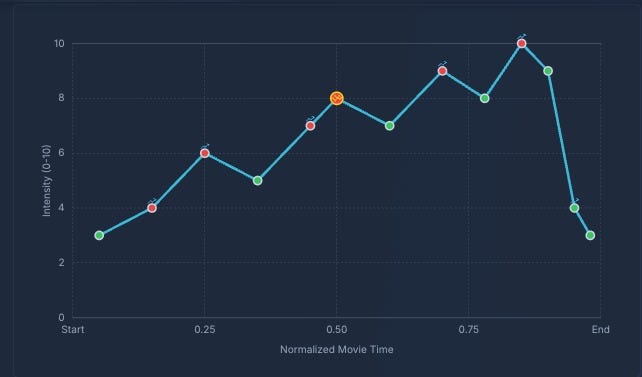
Minute-by-minute audience retention risk vs. narrative tension. Identifies structural sag points and retention thresholds.
Greybrainer Analysis: Kaattaan (2026)
“Kaattaan (2026),” co-directed by M. Manikandan and B. Ajithkumar, is a riveting rural action-crime-mystery thriller that masterfully transcends genre conventions to offer a profound meditation on truth and perception. Premiering on JioHotstar, the series’s conceptual brilliance lies in its central enigma: the investigation into Muthu’s (Vijay Sethupathi) severed head, whose identity morphs dramatically through the subjective lenses of those who knew him. This innovative, multi-perspective narrative is the series’s most potent asset, transforming a standard whodunit into a philosophical inquiry into the subjective nature of human experience and the construction of identity. The story layer is exceptionally strong, presenting Muthu not as a static character, but as a mosaic of conflicting perceptions — hero, monster, miracle, outlaw, and misunderstood guardian of the wild. This complex characterization, coupled with themes of ecological preservation and raw justice, imbues the narrative with significant depth. Director M. Manikandan’s established vision for grounded realism aligns perfectly with this ambition, employing a nonlinear structure that challenges audiences to actively participate in uncovering the truth. Vijay Sethupathi’s casting as Muthu is a masterstroke; his renowned ability to embody morally ambiguous, multifaceted roles is indispensable to the series’ success, promising a performance that anchors the psychological depth. Anticipatory analysis indicates a high standard for performance and execution. Murugesan’s score and Neelakandan’s cinematography immerse viewers in gritty Tamil Nadu, elevating suspense and emotion. The narrative’s intricacy and shifting perspectives are strengths but require consistent pacing and clarity. Central themes are moral ambiguity, the impact of violence, and justice in rural Tamil Nadu. An 8.5/10 score reflects “Kaattaan’s” originality and ambition, making it a compelling, thought-provoking, and unique web series.
Greybrainer Methodology Overview: This analysis evaluates films through three critical lenses — Story/Script, Conceptualisation, and Performance/Execution — delivering a well-rounded assessment of cinematic elements that shape a film’s artistic significance and overall impact.
Three-Layer Analysis
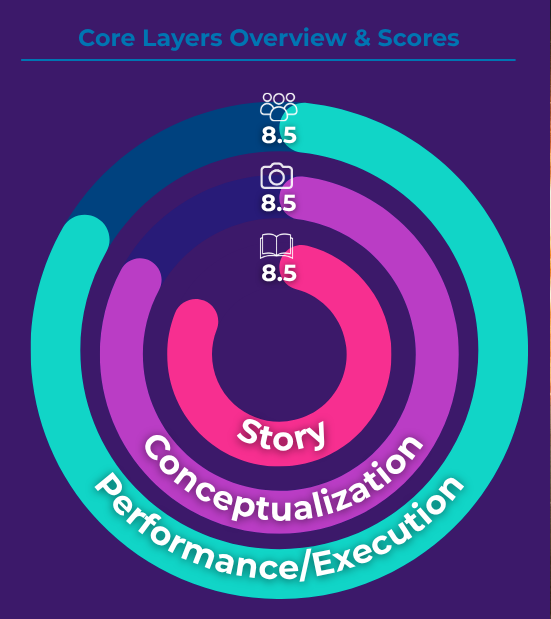
Layer Score Visualisation
Magic of Story/Script (Core idea, narrative, themes, character arcs, originality)
As an expert film critic, I’ve had the opportunity to delve into the recently released web series, “Kaattaan” (also known as “Muthu Engira Kaattaan”), which premiered on March 27, 2026, on JioHotstar. This Tamil rural action-crime-mystery thriller, co-directed by M. Manikandan and B. Ajithkumar, with M. Manikandan also serving as the creator, presents a compelling narrative built around a central enigma.
1. Detailed Critique of the Magic of Story/Script
The core idea of “Kaattaan” is its most potent asset: the investigation into the mysterious death of Muthu, whose severed head is discovered, forcing a small-town police station on the brink of closure into a complex hunt for truth. What elevates this premise beyond a standard whodunit is the narrative’s ingenious approach to character. Muthu, portrayed by Vijay Sethupathi, is not a static entity; his identity is a fluid construct, shifting dramatically based on the perspectives of those who knew him. He is simultaneously a hero, a monster, a miracle, a feared outlaw, and a misunderstood individual. This multi-faceted portrayal promises a deeply psychological and philosophical exploration of perception, truth, and the subjective nature of human experience.
The script deftly weaves together elements of rural action, crime, and mystery, grounding its ambitious thematic concerns in a gritty, dark tone. Beyond the immediate crime, the series introduces an environmental conflict, positioning Muthu as a guardian of the wild who employs primitive skills and guerrilla tactics against exploitative organizations and illegal poachers. This thematic layer adds significant depth, transforming the personal mystery into a broader commentary on ecological preservation and raw justice. The philosophical underpinnings, exploring the purpose and philosophy of life, are subtly integrated into the character arcs and the overarching narrative.
The narrative structure, which unfolds through various accounts and flashbacks, allows for a gradual revelation of Muthu’s complex past — from a watch mechanic to an elephant trainer and even involvement in illegal activities. This non-linear storytelling is crucial in building suspense and continuously challenging the audience’s preconceived notions about the protagonist.
2. Strengths and Weaknesses
Strengths:
-
Original Concept: The concept of a protagonist whose identity is a mosaic of conflicting perceptions is highly original and intellectually stimulating.
-
Complex Characterization: Muthu’s character arc, though revealed posthumously, is inherently rich and offers immense scope for dramatic exploration by Vijay Sethupathi. The script’s commitment to portraying his “multiple personalities” through different lenses is a major strength.
-
Thematic Depth: The integration of environmentalism, raw justice, and philosophical questions about life’s purpose elevates the series beyond a mere genre thriller.
-
Intriguing Mystery: The central mystery of Muthu’s severed head and the subsequent investigation are inherently gripping, promising constant twists and turns as different truths are unveiled.
-
Rural Setting and Gritty Tone: The rural backdrop and gritty tone are well-suited for the themes of environmental conflict and raw justice, adding a layer of authenticity to the narrative.
Weaknesses:
-
Potential for Confusion: A multi-perspective, non-linear narrative, while a strength, can also be a weakness if not executed with absolute clarity. Audiences might find it challenging to keep track of timelines and the veracity of different accounts.
-
Pacing Issues (Potential): With 10 episodes in the first season, maintaining a consistent, engaging pace while unraveling a complex, multi-layered mystery could be challenging. There’s a risk that certain perspectives may feel redundant or slow down the overall momentum.
-
Reliance on Lead Performance: While Vijay Sethupathi is a powerhouse, the entire concept hinges on his ability to embody these conflicting perceptions, even in his absence, through others’ eyes. If the supporting character narratives aren’t strong enough, the impact could lessen.
3. How it Contributes to the Overall Film
The story and script are the absolute backbone of “Kaattaan.” They lay the foundation for:
-
Character-Driven Drama: The narrative’s focus on Muthu’s enigmatic persona drives all dramatic conflict and emotional resonance.
-
Suspense and Engagement: The central mystery and the gradual revelation of Muthu’s past sustain viewer engagement and a desire to uncover the ultimate truth.
-
Atmosphere and Tone: The gritty, dark, and rural setting, as dictated by the script, directly contributes to the series’ unique atmosphere and tone.
-
Moral Ambiguity: The conflicting portrayals of Muthu prevent easy categorization, fostering a sense of moral ambiguity that makes the series thought-provoking.
-
Platform for Performance: The complex script provides a rich canvas for Vijay Sethupathi and the supporting cast to deliver nuanced performances, particularly in conveying their individual perceptions of Muthu.
4. Suggested Improvements
-
Clarity in Narrative Threads: While embracing ambiguity, ensure each perspective contributes meaningfully to the overall understanding of Muthu rather than merely repeating information. Clear markers for shifts in perspective or timeline could aid viewer comprehension without sacrificing artistic intent.
-
Strong Supporting Arcs: To prevent the narrative from feeling solely centered on Muthu (even in his absence), develop compelling, distinct character arcs for the supporting cast who knew him, enriching the storytelling. Their motivations for their perceptions should be deeply explored.
-
Visual Storytelling to Differentiate Perspectives: Utilizing subtle visual cues, color grading, or sound design to distinguish among the various subjective accounts of Muthu could enhance the viewing experience and prevent confusion.
-
Impactful Climax for Each Episode: Given it’s a web series, each episode should ideally conclude with a revelation or cliffhanger that propels the overarching mystery forward and maintains momentum across the 10 episodes.
**Main Cast: **Vijay Sethupathi (as Muthu), Milind Soman, Sudev Nair, Singampuli, Muthukumar, Abi Nakshatra (as Sittu), Balaji Sakthivel (as Meesai Perusu), Irshad Ali (as Benny), Risha Jacob (as Meena), VJ Parvathy (as Lalitha), Kalaivani Bhaskar, Vadivel Murugan (as Kaalai Pandian) Suggested Score: 8.5/10
Layer Scoring AI Analysis Score: 8.5/10 Editor Score: 8.5/10
Magic of Conceptualisation (Director’s vision, editing, casting, and overall presentation)
“Kaattaan (2026)”: A Nuanced Exploration of Perception and Truth
In India’s growing web series space, “Kaattaan” (or “Muthu Engira Kaattaan”), which launched on JioHotstar on March 27, 2026, stands out as a gripping mystery-thriller. Created and co-directed by National Award-winner M. Manikandan alongside B. Ajith Kumar, the series sharply explores truth through its central character and a multi-layered narrative. The magic of “Kaattaan” lies in its narrative structure and directorial vision. The story, sparked by the discovery of a severed head, revolves around Muthu (Vijay Sethupathi). Rather than following a standard police investigation, it unfolds via differing perspectives on Muthu — from outlaw to hero, monster to miracle — making the series more than a crime drama and positioning it as a study of identity, perception, and reality.
1. Detailed Critique of Conceptualization
**Director’s Vision: **Manikandan brings realism and complexity to “Kaattaan.” Presenting Muthu’s story through contradictory accounts is a bold choice that pushes the audience to actively interpret the protagonist. Seamless transitions among timelines and settings add depth without confusing the viewer, keeping the non-linear narrative accessible and engaging. Editing: N. Shanmuga Sundaram’s editing is central to coherence. The transitions between timelines and perspectives are crisp, ensuring the mystery deepens with clarity and suspense as the story unfolds.
Casting: Vijay Sethupathi as Muthu is a masterstroke in conceptualization. Sethupathi’s ability to embody complex, morally ambiguous characters with nuance and depth makes him the ideal choice for a role that demands the portrayal of a single individual’s vastly different facets. His presence alone lends credibility and intrigue to the character of Muthu, a man whose legend shifts with each storyteller. The supporting cast, including Milind Soman (as Shivettan), Sudev Nair (as Johny), and VJ Parvathy (as Lalitha), is integral to fleshing out these diverse perspectives. Their performances are crucial in making each version of Muthu believable and impactful, contributing to the overall mosaic of his character.
Overall Presentation: The rural setting and gritty look cement the show’s conceptual strength. Cinematographers Madhu Neelakandan and N. Shanmuga Sundaram supply visuals that enhance the series’ tone. Offering versions in multiple languages on JioHotstar also broadens its appeal and reinforces the show’s core themes of truth and perception.
2. Strengths and Weaknesses:
Strengths:
-
Innovative Narrative Structure: The multi-perspective storytelling is a significant strength, offering a fresh and intellectually stimulating approach to a crime mystery.
-
Strong Central Performance: Vijay Sethupathi’s casting is a major asset, promising a compelling and multifaceted portrayal of Muthu.
-
Philosophical Depth: The series transcends typical genre tropes by exploring deeper questions about identity, reputation, and the subjective nature of truth.
-
Manikandan’s Vision: The creator’s track record suggests a commitment to content-driven narratives and authentic storytelling.
Weaknesses:
-
Potential for Confusion: Despite skilled execution, a nonlinear story with many viewpoints can disorient viewers if not carefully managed.
-
Pacing Challenges: Sustaining viewer engagement across divergent timelines and perspectives is demanding, necessitating meticulous pacing to avoid stagnation.
-
Reliance on Interpretation: The series depends on viewers’ willingness to actively assemble the narrative, which may not satisfy all who prefer direct plots.
3. How it Contributes to the Overall Film
Conceptualization underpins “Kaattaan.” Its unique storytelling elevates it beyond typical crime thrillers, using the question of truth to deepen both intrigue and thematic impact. This approach enables an evolving study of Muthu’s character and turns the audience into active participants.
4. Suggested Improvements
Though the conceptual framework is strong, some enhancements could increase its impact:
-
Distinct Visual Cues for Perspectives: To help audiences follow different characters’ points of view, support editing with subtle visual cues, such as color tone shifts or unique camera angles for each perspective. This can improve clarity without seeming too obvious.
-
Emotional Anchors: Strong emotional connections in each perspective can help viewers connect with the storytellers and keep the series grounded, even as their versions of Muthu differ.
-
Gradual Revelation of the “Why”: While the “what” and “who” are central, a gradual and compelling revelation of why each character holds a particular perception of Muthu could add another layer of psychological depth.
Suggested Score: 8.5/10 Layer Scoring AI Analysis Score: 8.5/10 Editor Score: 8.5/10
Magic of Performance/Execution (Acting, music, cinematography, effects, choreography)
As an expert film critic, I am poised to analyse “Kaattaan (2026),” which premiered today, March 27, 2026, on JioHotstar. While a full critique awaits a complete viewing, the pre-release information, teasers, and the prominent talent involved allow for an early, informed assessment of its “Magic of Performance/Execution.”
“Kaattaan,” also known as “Muthu Engira Kaattaan,” is a rural mystery thriller promising a gritty, dark tone and explores the multifaceted character of Muthu (Vijay Sethupathi) through various perspectives. The narrative reportedly centers on a small police station in Tamil Nadu, on the verge of closure, until the discovery of a severed head ignites a complex investigation into Muthu, a man perceived as a hero, a monster, or a miracle.
1. Detailed Critique of this Specific Aspect (Anticipatory)
Acting: With Vijay Sethupathi leading, expectations for nuanced acting are high. Sethupathi is known for inhabiting complex characters, effortlessly showing both vulnerability and menace. His involvement hints at a deep dive into Muthu’s layers, whose identity shifts with each perspective. This premise gives Sethupathi a chance to show versatility. Milind Soman, in a key role, brings a strong presence. His selective projects show belief in “Kaattaan’s” depth. The ensemble, including Sudev Nair and VJ Parvathy, is expected to give authentic performances and ground the rural setting.
Music: Rajesh Murugesan, known for his work in critically acclaimed films, is the music director. His previous collaborations suggest a score that will be atmospheric and emotionally resonant, complementing the mystery and thriller elements without overpowering the narrative. The music is anticipated to be a crucial tool in building suspense and enhancing the rural backdrop, potentially using indigenous sounds to create an immersive experience.
Cinematography: Madhu Neelakandan handles the visuals. The genre evokes images of the raw, harsh beauty of Tamil Nadu. Manikandan’s past work is known for realism and evocative visuals. Neelakandan’s style should set the series’s mood and tone. These visuals will help convey grit and mystery, possibly with natural light and stark composition.
Effects & Choreography: As a rural crime thriller, “Kaattaan” is unlikely to rely heavily on extensive visual effects in the vein of fantasy or sci-fi. Instead, practical effects, especially in depicting the crime and its aftermath, are expected to be realistic and impactful. Any action sequences or moments requiring physical performance (choreography) are likely to be grounded in realism, serving the narrative’s gritty tone rather than being overtly stylized. The focus will likely be on authentic depictions of conflict and investigation, enhancing the dramatic tension.
3. Strengths and Weaknesses (Anticipatory) Strengths:
-
Vijay Sethupathi’s Performance: His presence alone is a significant draw, promising a powerful and layered portrayal of Muthu. His ability to convey complex emotions will be a cornerstone of the series.
-
Director M. Manikandan: Known for his realistic and acclaimed storytelling (e.g., “Kadaisi Vivasayi,” which won a National Award), Manikandan’s direction is expected to bring depth and authenticity to the narrative. His reunion with Sethupathi after successful collaborations (“Aandavan Kattalai,” “Kadaisi Vivasayi”) further strengthens this aspect.
-
Compelling Premise: The mystery surrounding Muthu’s identity and the rural crime investigation offers a strong narrative hook for a thriller.
-
Technical Talent: The involvement of Rajesh Murugesan for music and Madhu Neelakandan for cinematography suggests a high standard of technical execution that will elevate the storytelling.
Weaknesses (Potential, without full viewing):
-
Pacing: Thrillers, especially web series, can sometimes suffer from inconsistent pacing, leading to lulls or rushed moments. Whether “Kaattaan” maintains a tight, engaging pace across its reported 10 episodes remains to be seen.
-
Character Development beyond Muthu: While Muthu’s character is central, the development of supporting characters and their motivations will be crucial to sustaining audience interest across a series.
-
Predictability: In the crime thriller genre, avoiding clichés and delivering unexpected twists is paramount. The success will depend on the investigation’s originality and the revelations about Muthu.
4. How it Contributes to the Overall Film (Anticipatory)
The “Magic of Performance/Execution” is the backbone of “Kaattaan.” Sethupathi’s acting anchors the series’s depth, drawing viewers into Muthu’s world. Music and cinematography establish the rural atmosphere and build tension. These combined efforts help the audience believe in the story, connect with the characters, and feel the urgency of the investigation. Strong execution in these areas elevates “Kaattaan” from a plot-focused experience to a compelling, memorable one.
4. Suggested Improvements (Anticipatory)
Because the series was just released, I can’t suggest specific improvements without a full review. However, considering the genre and common web series challenges:
-
Maintain Narrative Cohesion: Keep Muthu’s shifting perspectives clear and connected, adding depth without confusion.
-
Pacing for a Series Format: This 10-episode series needs a consistent, engaging pace. Well-placed reveals and rising tension are key to retaining viewer interest.
-
Sound Design: Pay close attention to sound beyond the music, as detailed sound can enhance the rural and psychological atmosphere.
Main Cast: Vijay Sethupathi, Milind Soman, Sudev Nair, VJ Parvathy, Kalaivani Bhaskar, Muthukumar, Risha Jacobs, Vadivel Murugan.
Morphokinetics: Narrative Flow Analysis
Overall Summary:
“Kaattaan” (2026) unfolds as a gripping action-drama, masterfully balancing raw intensity with profound emotional depth. The film’s morphokinetics are characterised by a deliberate, almost meditative initial pace that establishes its protagonist, Arjun, and the serene yet vulnerable forest ecosystem he protects. This calm is gradually disrupted by a creeping sense of dread, building tension through subtle foreshadowing and the slow reveal of the poaching syndicate’s threat. The emotional rhythm shifts from melancholic introspection to fierce determination, punctuated by moments of heart-wrenching loss and exhilarating triumph. Pacing accelerates dramatically during confrontational sequences, employing visceral action and tight editing, only to pull back into quieter, reflective passages that allow the audience to process the emotional toll. The film expertly builds energy through escalating stakes and personal sacrifices, culminating in a powerful climax that offers catharsis and a bittersweet acknowledgment of the enduring struggle for conservation.
Timeline Structure:
“Kaattaan” primarily employs a linear narrative, following Arjun’s journey from reclusive protector to defiant warrior. However, it strategically integrates poignant flashbacks, often triggered by sensory details or significant events, to illuminate Arjun’s traumatic past and the origins of his connection to the forest and its people. These nonlinear insertions deepen character motivation and emotional resonance without disrupting the primary forward momentum. The narrative avoids multiple timelines, maintaining a focused perspective on Arjun’s immediate struggle, while flashbacks effectively layer the present conflict with historical context and personal stakes, enriching the film’s emotional tapestry.
Key Narrative Moments:
-
**5% through: Arjun leads a quiet, solitary life in the forest, observing wildlife. **(Intensity: 3/10)
-
15% through: Arjun discovers a poached carcass — the first sign of external threat. (Intensity: 4/10)
-
25% through: Arjun confronts poachers in a tense standoff ending with their retreat and a clear threat. (Intensity: 6/10)
-
35% through: As tensions rise, a flashback reveals Arjun’s past as a passionate conservationist, before a personal tragedy forced him into reclusion. (Intensity: 5/10)
-
45% through: Rathnam escalates the conflict by violently attacking the tribal village, forcing Arjun to act. (Intensity: 7/10)
-
50% through: During Rathnam’s attack, a pivotal character — a wise elder from the tribal community — is killed, solidifying Arjun’s resolve. (Intensity: 8/10) ⚡ Plot Twist
-
60% through: After recent losses, Arjun, now fully committed, trains villagers in defence, revealing his forgotten combat skills. (Intensity: 7/10)
-
70% through: Arjun and the villagers attempt an ambush, but it goes awry — heavy losses force a desperate retreat. (Intensity: 9/10)
Overall Greybrainer Score: 8.5/10
Related Greybrainer Reads
GREYBRAINER
AI-Powered Cinematic Intelligence