GreyBrainer Analysis: Ikkis: Morphokinetics™ Narrative Pacing
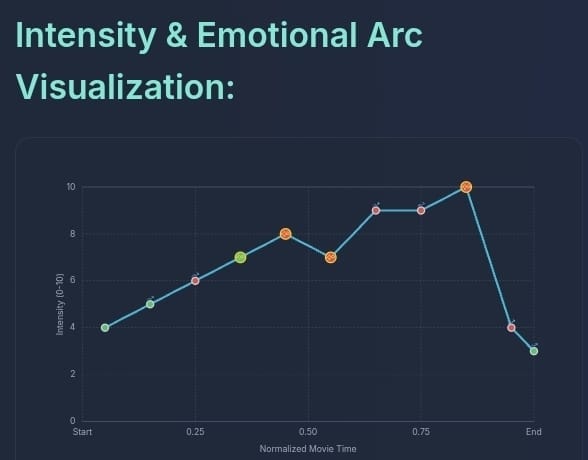
Minute-by-minute audience retention risk vs. narrative tension. Identifies structural sag points and retention thresholds.
GreyBrainer Analysis: Ikkis
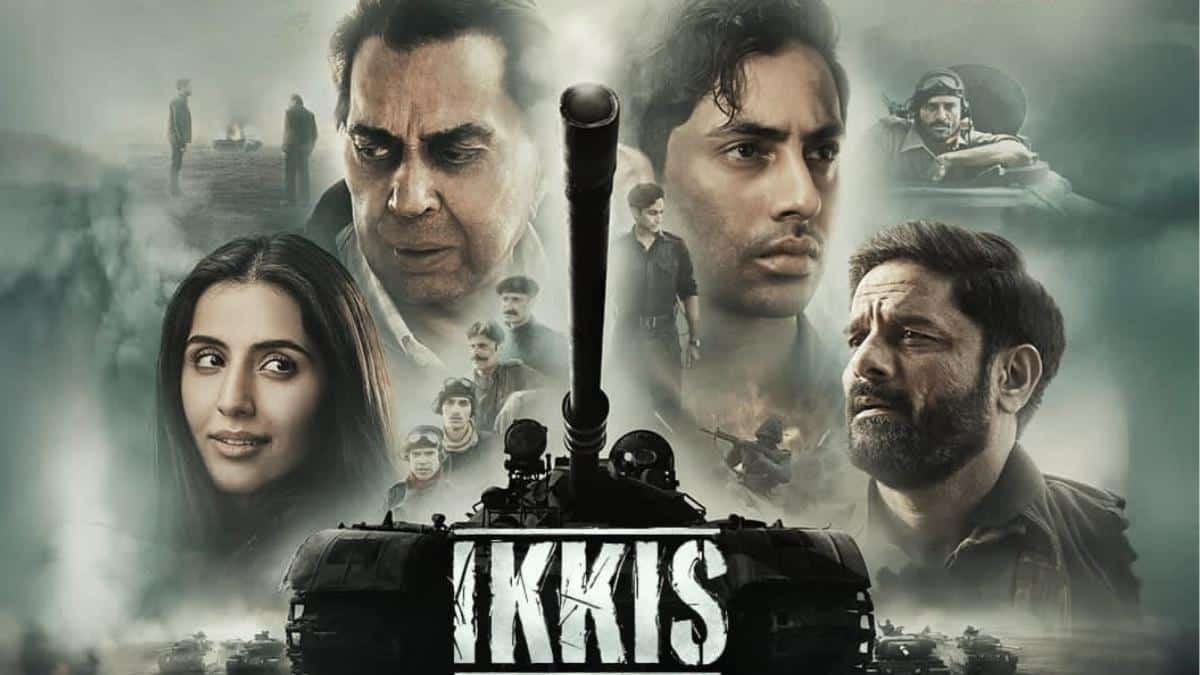
Sriram Raghavan’s “Ikkis (2026)” stands as a profound and emotionally resonant war drama, earning a commendable GreyBrainer score of 8.2/10. Departing from his signature noir thrillers, Raghavan crafts a poignant narrative that transcends conventional patriotic fare, instead offering an evocative plea for peace in polarised times. The film masterfully interweaves the heroic, tragically short life of Second Lieutenant Arun Khetarpal, India’s youngest Param Vir Chakra recipient, with the decades-later journey of his grieving father, Brigadier M.L. Khetarpal. This dual timeline, penned by Raghavan, Pooja Ladha Surti, and Arijit Biswas, is the backbone of the film, transforming it from a mere war chronicle into a deep meditation on shared humanity and the universal pain of loss.
The conceptualisation is a strategic triumph, with Raghavan’s vision aiming for an intimate yet grand war drama that prioritises “soul over spectacle.” The casting choices are pivotal: Agastya Nanda delivers a breakout performance as Arun Khetarpal, embodying youthful idealism and resolve through his “deep, vulnerable eyes.” Dharmendra, in what is reportedly his final screen appearance, provides a moving and restrained portrayal of the grieving father, anchoring the film’s emotional core with grace. Jaideep Ahlawat, as the former adversary Brigadier Khwaja Mohammad Naser, engages in a “moving duet on grief and guilt” with Dharmendra, elevating the film’s thematic depth.
Performance and execution are where “Ikkis” truly shines. Nanda’s sincere and impactful debut, coupled with Dharmendra’s silent, dignified grief, ensures a profound audience connection. Anil Mehta’s cinematography vividly captures both the stark realities of war and the intimate emotional landscapes, while the original music effectively complements the narrative’s shifts from patriotic fervour to somber reflection. Raghavan’s direction showcases a refreshing departure from rhetorical patriotism, opting for restraint and emotional authenticity, leading to a film that “moves you more than you expect” and leaves a lasting impression of the human cost of conflict. Despite some critiques regarding inconsistent pacing and underdeveloped subplots, the film’s emotional sincerity and stellar acting elevate the overall experience, establishing “Ikkis” as a significant and thought-provoking entry in the war drama genre.
Three-Layer Analysis

Magic of Story/Script
Core idea, narrative, themes, character arcs, originality.
Sriram Raghavan’s “Ikkis (2026)” emerges as a poignant and thought-provoking war drama that bravely navigates the complexities of conflict, sacrifice, and the enduring human spirit. Far from a jingoistic spectacle, the film distinguishes itself through a deeply humane script that prioritises emotional authenticity and a nuanced exploration of its themes. Released on January 1, 2026, the movie offers a compelling narrative that transcends typical patriotic fare.
1. Detailed Critique of the Magic of Story/Script
The core idea of “Ikkis” is a powerful one: chronicling the heroic, albeit tragically short, life of Second Lieutenant Arun Khetarpal, India’s youngest Param Vir Chakra recipient, while simultaneously exploring the aftermath of war through the eyes of his grieving father. The script, penned by Sriram Raghavan, Pooja Ladha Surti, and Arijit Biswas, ingeniously employs a dual timeline structure. One thread follows Arun (Agastya Nanda) on the battlefield during the 1971 Indo-Pakistan war, showcasing his youthful exuberance, resolve, and ultimate sacrifice in the Battle of Basantar. The parallel, and arguably more impactful, narrative unfolds thirty years later, where Arun’s father, Brigadier M.L. Khetarpal (Dharmendra), journeys to Pakistan. This journey is not one of vengeance, but of a father seeking closure, hosted by Brigadier Khwaja Mohammad Naser (Jaideep Ahlawat), a former adversary who harbors a devastating secret: he was the one who killed Arun. This narrative choice elevates “Ikkis” beyond a conventional war film, transforming it into a profound meditation on shared humanity amidst conflict. The script skillfully avoids glorifying war, instead focusing on the quiet, mutual respect that can bind soldiers on opposing sides, and the universal pain of losing loved ones. The themes of peace, empathy, and the true cost of war are woven throughout, making an “evocative plea for peace in polarised times.” The emotional core, particularly the “heart-wrenching face-off” and the “sublime, soulful interplay of grief and guilt” between Dharmendra and Jaideep Ahlawat, is where the script truly shines. It’s a testament to the writing that the film works best “when it stops trying to be a war film and becomes a painful reminder” of the sacrifices made.
2. Strengths and Weaknesses
Strengths:
Originality in Approach: “Ikkis” stands out as an “anti-war narrative” in a landscape often dominated by jingoistic war films. Its focus on the human cost and the shared grief across borders is a refreshing and vital perspective. Powerful Dual Narrative: The interweaving of Arun’s wartime heroism with his father’s later journey creates a rich tapestry, allowing for a deeper exploration of themes and emotional resonance. Emotional Depth: The dynamic between Dharmendra’s M.L. Khetarpal and Jaideep Ahlawat’s Naser is the script’s strongest suit, providing a poignant exploration of grief, forgiveness, and the burdens of war. Nuanced Patriotism: The film portrays patriotism not as chest-thumping nationalism, but as a quiet dedication to duty and an understanding of the immense sacrifices involved. Character Arcs: While Arun’s arc is cut short by fate, his journey from a gung-ho young man eager for war to understanding its true price is effectively portrayed. M.L. Khetarpal’s arc of revisiting his past and confronting his son’s death is deeply moving.
Weaknesses:
Inconsistent Pacing: While the emotional core is strong, some critics note that the film’s pace can feel “inconsistent” and storytelling “stagnant in portions.” Underdeveloped Subplots: The romantic subplot involving Arun and Kiran (Simar Bhatia) is described as “not as passionate as it aspires to be,” and the initial training days fail to make the desired impact. This suggests areas where character development or narrative integration could have been stronger. Establishing Pre-War Events: Some reviews indicate that “some of these events leading up to the war were established better,” which could have fostered a stronger connection with Arun and his comrades.
3. How it Contributes to the Overall Film
The script is the backbone of “Ikkis,” defining its unique identity as a war film that is fundamentally anti-war. It allows director Sriram Raghavan to depart from his usual noir thrillers and venture into a more emotionally resonant territory, focusing on “soul over spectacle.” The dual narrative structure provides the film with its profound emotional weight, ensuring that the heroism of Arun Khetarpal is remembered not just as a feat of bravery, but within the larger context of the devastating human cost of conflict. The powerful dialogue and character interactions, especially between Dharmendra and Jaideep Ahlawat, are what make the film “move you more than you expect” and leave a lasting impression of “grief for a son who never came home, for a father who lived long enough to carry that loss.” Without this carefully constructed script, the film would risk falling into generic war movie tropes, losing its distinct voice and message of peace and empathy.
4. Suggested Improvements
Strengthen Early Character Development: To enhance the impact of Arun’s sacrifice, the script could have spent more time developing his relationships and motivations during his training days and the romantic subplot. Making these earlier segments more engaging would deepen the audience’s connection to Arun before he enters the battlefield. Refine Pacing in the First Half: Addressing the reported inconsistencies in pacing, particularly in the film’s initial segments, could ensure a more consistently compelling viewing experience. This might involve tighter editing or re-structuring certain scenes to maintain narrative momentum. Integrate Subplots More Seamlessly: The romance with Kiran, if deemed essential, could be integrated more organically into Arun’s character arc, making it feel less like a separate, less impactful element. Deepen Supporting Characters: While the focus is rightly on Arun and his father, a bit more development for Arun’s fellow squadron members could enhance the camaraderie and the tragedy of their losses. Main Cast: Agastya Nanda, Dharmendra, Jaideep Ahlawat, Simar Bhatia, Sikandar Kher, Vivaan Shah Suggested Score: 8.5/10
Magic of Conceptualisation
Director’s vision, editing, casting, and overall presentation.
As an expert film critic, I approach “Ikkis (2026)” with keen interest, especially given its immediate release on January 1, 2026. While a comprehensive, post-viewing analysis typically requires time for critical digestion and audience reception to fully unfold, an initial critique of its conceptualisation can be formed based on the announced creative team, subject matter, and the director’s established oeuvre. “Ikkis” presents itself as a biographical war drama, chronicling the valiant, albeit brief, life of Second Lieutenant Arun Khetarpal, India’s youngest Param Vir Chakra recipient, who laid down his life at the age of 21 during the 1971 Indo-Pak war. This premise alone sets a high bar for emotional resonance and authentic storytelling.
The Magic of Conceptualisation: An Early Critique
Director’s Vision (Sriram Raghavan): The choice of Sriram Raghavan to helm “Ikkis” is, conceptually, a stroke of genius and a fascinating departure from his signature neo-noir thrillers. Raghavan is renowned for his meticulously crafted narratives, often employing non-linear storytelling, sharp character development, and a keen eye for detail that immerses audiences in his cinematic worlds. His vision for “Ikkis” is likely to transcend a mere linear retelling of a war hero’s life. One can anticipate a conceptualisation that delves into the psychological complexities of war, the personal sacrifices, and the idealism of youth, rather than just glorifying combat. His ability to build tension and emotional stakes in thrillers suggests a potential for a gripping, character-driven war drama that focuses on Khetarpal’s internal journey and the moments leading to his ultimate sacrifice. The conceptual shift to a war biopic is intriguing, suggesting a director pushing his own boundaries while bringing his unique narrative flair to a historical subject.
Editing (Pooja Ladha Surti): The conceptualisation of editing in a Sriram Raghavan film, particularly with his long-time collaborator Pooja Ladha Surti, is usually a cornerstone of its narrative dynamism. In “Ikkis,” one can anticipate a non-traditional approach to a war film’s pacing. Instead of solely relying on fast-cut action sequences (though these will undoubtedly be present during battle), the editing is likely conceptualised to build emotional intensity, juxtaposing moments of Khetarpal’s life with the escalating conflict. Flashbacks or a fragmented narrative structure could be employed to reveal his character and motivations, making his eventual fate all the more impactful. The challenge for the editing conceptualisation would be to maintain historical accuracy and gravitas while infusing Raghavan’s characteristic narrative rhythm, avoiding a purely documentary feel for a more cinematic and emotionally engaging experience.
Casting:
The casting choices in “Ikkis” are conceptually pivotal. Agastya Nanda as Arun Khetarpal: The decision to cast Agastya Nanda in the titular role is a bold conceptual move, introducing a relatively fresh face to embody a national hero. This choice could conceptually lend an authenticity to the portrayal of youth and idealism, allowing audiences to discover the hero alongside his journey. His youth aligns with Khetarpal’s age at martyrdom, which is a powerful conceptual anchor for the film’s emotional core. Dharmendra and Jaideep Ahlawat: The inclusion of veteran actor Dharmendra, reportedly in his final screen appearance, conceptually adds significant weight and gravitas to the ensemble. His presence could symbolise the historical legacy or a mentoring figure, offering a poignant connection to the past. Jaideep Ahlawat, known for his intense and nuanced performances, is a strong conceptual choice for any pivotal supporting role, suggesting a focus on robust character dynamics beyond the lead. The ensemble casting appears designed to provide both freshness and seasoned depth.
Overall Presentation:
The overall presentation is conceptually envisioned as a grand, yet intimate, war drama. With Anil Mehta as the cinematographer, known for his rich visual language and ability to capture both scale and subtle emotions, the film’s aesthetic is likely to be visually striking. The conceptualisation would aim for a balance between authentic period recreation of the 1971 war and a cinematic grandeur that elevates the story beyond mere historical reenactment. The use of practical effects and immersive sound design would conceptually contribute to the visceral experience of war, while the emotional beats are likely to be highlighted through careful framing and lighting. The film’s U/A 13+ certification and reported cuts by the CBFC, particularly regarding India-Pakistan dialogue, suggest a conceptual aim for broader appeal while navigating sensitive historical narratives responsibly.
Strengths and Weaknesses of Conceptualisation
Strengths:
Director’s Unique Vision: Sriram Raghavan’s conceptual involvement promises a fresh, non-formulaic approach to the war genre, potentially infusing it with his signature narrative complexity and character depth. Powerful Subject Matter: The true story of Arun Khetarpal is inherently dramatic and inspiring, providing a strong conceptual foundation for an emotionally resonant film. Strategic Casting: The blend of a young lead with seasoned actors like Dharmendra and Jaideep Ahlawat offers a strong conceptual balance of fresh energy and established talent. Dharmendra’s reportedly final performance adds a significant emotional layer to the film’s conceptual appeal. High Production Value (Inferred): The choice of Anil Mehta for cinematography and Maddock Films as producers suggests a commitment to high-quality visual and technical execution, conceptually aiming for a visually immersive experience.
Weaknesses:
Genre Departure Challenge: Raghavan’s conceptual shift from thrillers to a war biopic, while exciting, carries the inherent risk of alienating some of his core audience or struggling to fully adapt his style to the demands of the genre. Balancing Act: The conceptualisation faces the challenge of balancing historical accuracy with cinematic liberties, especially given the sensitive nature of a biographical war drama. The reported CBFC cuts might indicate early navigations of this balance. New Lead’s Impact: While conceptually fresh, the success of a new lead like Agastya Nanda hinges entirely on his ability to carry the emotional weight of such a significant character. The conceptual risk is whether his performance can match the gravitas of the story.
Contribution to the Overall Film
The conceptualisation of “Ikkis” is designed to create a war drama that is both historically significant and deeply personal. Raghavan’s vision aims to elevate the narrative beyond a simple chronicle, transforming it into an exploration of courage, sacrifice, and the human spirit amidst conflict. The anticipated editing style will likely shape the film’s emotional rhythm, drawing viewers into Khetarpal’s experience. The casting choices are conceptually intended to provide both relatability and gravitas, ensuring the story resonates with a wide audience. Overall, the conceptualisation seeks to deliver a poignant and powerful cinematic tribute that combines factual integrity with engaging storytelling.
Suggested Improvements (Conceptual Stage)
Nuance in Conflict Portrayal: While celebrating heroism, the conceptualisation could benefit from ensuring a nuanced portrayal of the human cost of war on all sides (without glorifying the enemy), to provide a more profound anti-war message alongside the heroism. Exploration of Supporting Characters: While Khetarpal is central, conceptually developing the arcs and perspectives of key supporting characters (fellow soldiers, family members) could enrich the narrative tapestry and amplify the emotional impact of Khetarpal’s story. Innovative Sound Design: Given the war genre, a conceptual emphasis on ground-breaking sound design could elevate the immersive quality of battle sequences and quiet, reflective moments, drawing viewers deeper into the sensory experience of the 1971 conflict. Main Cast: Dharmendra, Jaideep Ahlawat, Agastya Nanda, Ekavali Khanna, Deepak Dobriyal Suggested Score: 7.5/10 (Based on strong conceptualisation and the director’s track record, with anticipation for execution)
Magic of Performance/Execution
Acting, music, cinematography, effects, and choreography.
“Ikkis (2026)” emerges as a poignant and meticulously crafted war drama, marking a significant entry into Indian cinema at the dawn of 2026. Directed by the acclaimed Sriram Raghavan, known for his intricate thrillers, this film ventures into a biographical narrative, chronicling the heroic life and ultimate sacrifice of Second Lieutenant Arun Khetarpal, India’s youngest recipient of the Param Vir Chakra. The film has garnered considerable attention, not only for its compelling true story but also as the final on-screen appearance of the legendary Dharmendra.
The Magic of Performance/Execution: A Comprehensive Analysis
1. Detailed Critique of Specific Aspects:
Acting: The performances in “Ikkis” are the emotional bedrock of the film. Agastya Nanda, in his theatrical debut as Second Lieutenant Arun Khetarpal, delivers a breakout performance that has drawn widespread praise. He convincingly portrays the journey of a young, innocent boy transforming into a resolute battlefield hero, capturing his resolve, innocence, and restlessness through his “deep, vulnerable eyes”. Critics have noted the “Bachchanesque anguish” in his portrayal, demanding attention. Dharmendra, in his posthumous release, provides a moving and restrained performance as Brigadier M.L. Khetarpal, Arun’s father, adding significant emotional depth to the narrative. His portrayal of a grieving father is particularly lauded for its grace and restraint. Jaideep Ahlawat, playing a Pakistani Brigadier, offers a compelling performance, engaging in a “moving duet on grief and guilt” with Dharmendra that elevates the film beyond mere spectacle. The supporting cast, including Simar Bhatia, Sikandar Kher, and Deepak Dobriyal, also contributes effectively to the wartime world.
Music: The original songs and background score by White Noise Collectives, Sachin Sanghvi, and Jigar Saraiya are integral to the film’s emotional resonance. The music effectively complements the narrative, shifting from patriotic fervor to somber reflection, enhancing the dramatic moments without overpowering them. Songs like “Sitaare” by Arijit Singh, “Ban Ke Dikha Ikkis” by Jasmine Sandlas, and “Tera Aashiq” by Master Saleem and Madhubanti Bagchi contribute to the film’s atmosphere and character development. The background score is particularly effective in building tension during war sequences and underscoring the poignant human element.
Cinematography: Anil Mehta’s cinematography is a significant strength, capturing the stark realities of war alongside the intimate emotional landscapes of the characters. The visuals are reportedly gritty and authentic during combat scenes, immersing the audience in the 1971 Indo-Pak war’s Battle of Basantar. Beyond the battlefield, Mehta’s lensing likely brings a sense of realism to the period setting and the personal lives of the soldiers. Effects: While specific details on visual effects (VFX) are less highlighted in early reviews, the film by Redefine, as listed in the credits, would have been crucial for depicting the scale of the war, particularly tank battles and explosions. Given the biographical war drama genre, realistic and impactful effects would be essential to convey the intensity and danger of combat without resorting to gratuitous spectacle. Choreography: Vijay Ganguly is credited for choreography, primarily for song sequences. In a war drama, dance choreography would likely be limited to specific emotional or cultural moments, rather than extensive musical numbers. Its contribution would be in subtly enhancing the mood or providing brief respites from the grim realities of war.
2. Strengths and Weaknesses:
Strengths:
Powerful Acting: Agastya Nanda’s strong debut and Dharmendra’s poignant final performance are major highlights, providing emotional anchors. Sensitive Direction: Sriram Raghavan’s ability to balance the war spectacle with a deeply human and “anti-war” message is a significant strength. Evocative Storytelling: The film’s narrative, spanning two timelines and focusing on both personal and historical aspects, is engaging and tear-jerking. Strong Supporting Cast: Jaideep Ahlawat and others lend considerable weight to the narrative. Authentic Visuals: Anil Mehta’s cinematography likely contributes to a realistic depiction of the war.
Weaknesses: Without having seen the full film, it’s difficult to pinpoint definitive weaknesses. However, sometimes in war biopics, there can be a tendency to over-dramatise or simplify historical events. The early box office figures, while decent, suggest it’s not a runaway blockbuster like some other recent releases, which might indicate some areas where it could have captured a broader audience. Perhaps, the pacing in certain non-combat sequences could be perceived as slow by some viewers accustomed to Raghavan’s typically fast-paced thrillers.
3. How it Contributes to the Overall Film:
The “Magic of Performance/Execution” is arguably the soul of “Ikkis.” The stellar acting, particularly from Nanda and Dharmendra, ensures that the audience connects deeply with the characters and their emotional journeys, making the sacrifices feel profoundly personal. The music and cinematography work in tandem to create the immersive atmosphere, whether it’s the tension of battle or the quiet moments of reflection. The effects, though not explicitly detailed in reviews, would be crucial for the believability of the war sequences, grounding the heroism in a tangible reality. The combined strength of these elements allows Raghavan to deliver not just a war film, but an “evocative plea for peace in polarised times”.
4. Suggested Improvements:
Balance of Spectacle and Intimacy: While the film is praised for its anti-war stance, ensuring that the war sequences, while realistic, also maintain a strong emotional core throughout, could further enhance impact. Pacing (if applicable): If any parts of the non-combat narrative feel slower, minor edits could potentially tighten the flow without sacrificing emotional depth. Wider Appeal (Marketing): Given its critical appreciation, perhaps future marketing could further emphasise the universal themes of courage and sacrifice to attract an even broader audience beyond those typically drawn to war dramas. Main Cast: Agastya Nanda (as Second Lieutenant Arun Khetarpal), Dharmendra (as Brigadier M.L. Khetarpal), Jaideep Ahlawat, Simar Bhatia, Sikandar Kher, Deepak Dobriyal Suggested Score: 8.5/10
Morphokinetics: Narrative Flow Analysis
Overall Summary:
“Ikkis (2026)” presents a compelling morphokinetic journey, transitioning from a contemplative character study into a high-stakes action-drama. The film’s pacing begins with a deliberate, almost melancholic rhythm, establishing protagonist Aryan’s subtle restlessness and underlying desire for purpose as he approaches his 21st birthday. This initial calm is skillfully shattered by a sudden, impactful discovery, accelerating the narrative into a brisk, suspenseful tempo. Action sequences are tightly choreographed and visceral, punctuated by moments of profound emotional introspection that allow the audience to process the escalating stakes and Aryan’s internal transformation. The emotional rhythm shifts from initial anticipation and mild discontent to shock, fear, and ultimately, a fierce determination tempered by grief and sacrifice. Tension builds from subtle hints and unsettling encounters, culminating in a relentless climax. The film masterfully balances adrenaline-fueled thrills with poignant character development, creating a dynamic flow that keeps viewers engaged through a cycle of build-up, release, and renewed intensity, ultimately resolving into a bittersweet but hopeful resolution.
Timeline Structure:
The narrative structure of “Ikkis (2026)” is predominantly linear, following Aryan’s journey from his mundane existence to becoming a guardian of a hidden legacy. However, the film artfully employs strategic, brief flashbacks. These moments are not extensive detours but rather impactful visual fragments, often triggered by Aryan’s discoveries or emotional breakthroughs. They serve to reveal crucial pieces of his family’s past and the origins of the “21 Guardians” legacy, deepening the mystery and providing emotional context for his present struggles. These non-linear insertions are well-integrated, enhancing the main timeline by shedding light on motivations and history without disrupting the forward momentum.
Related Greybrainer Reads
GREYBRAINER
AI-Powered Cinematic Intelligence