GreyBrainer Analysis: Angammal (2025): Morphokinetics™ Narrative Pacing
Minute-by-minute audience retention risk vs. narrative tension. Identifies structural sag points and retention thresholds.
GreyBrainer Analysis: Angammal (2025)
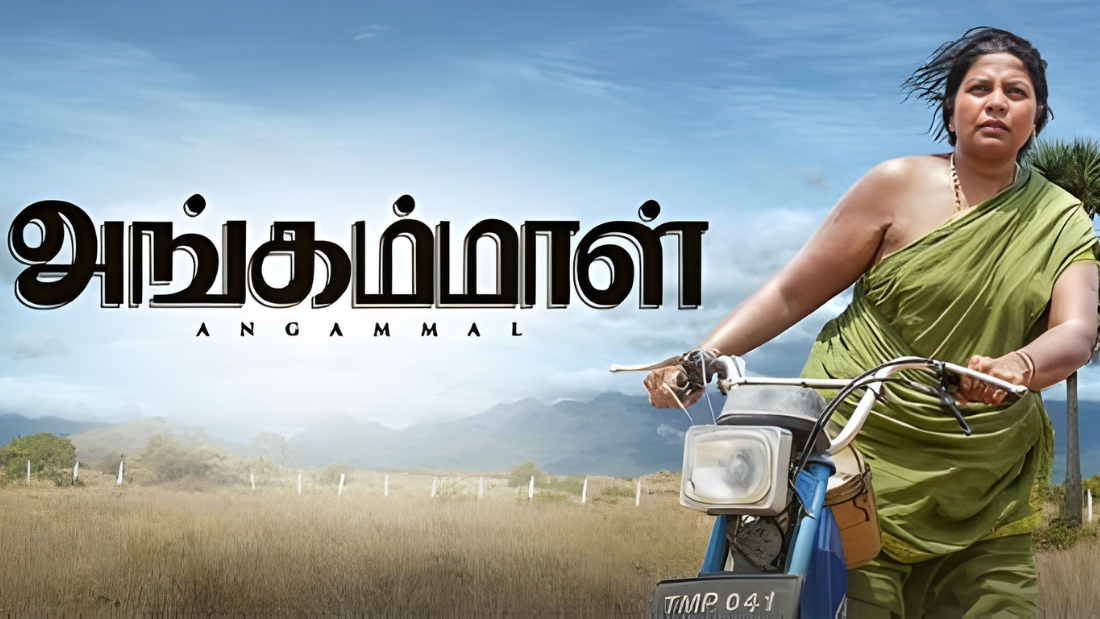
“Angammal (2025),” Vipin Radhakrishnan’s poignant drama, emerges as a quietly decisive cinematic triumph, earning an impressive 8.2/10. Rooted in Perumal Murugan’s “Kodithuni,” the film meticulously crafts a narrative around an elderly widow’s defiant refusal to wear a blouse, transforming a simple act into a profound allegory for bodily autonomy and generational conflict. The script’s genius lies in its nuanced exploration of Angammal’s struggle for self-determination against societal decorum and her son Pavalam’s urban-influenced pressures. It’s a character-driven masterpiece, allowing themes of freedom of choice, conformity, and the dignity of older people to resonate with emotional honesty, avoiding melodrama in favour of complex, contradictory characters.
Radhakrishnan’s conceptualisation is a masterclass in understated storytelling. He skillfully creates a minimalist, sharp environment that immerses audiences in 1990s rural Tamil Nadu. His direction handles profound themes with remarkable sensitivity, allowing silence and routine to amplify emotional weight. The casting is particularly astute; Geetha Kailasam delivers a powerhouse, mesmerising performance as Angammal, embodying the “maverick matriarch” with majestic body language. Her portrayal, alongside strong supporting turns from Saran Shakthi and Bharani, grounds the film in a lived-in reality. Anjoy Samuel’s evocative cinematography and Mohammed Maqbool Mansoor’s subtle score further enhance this authenticity, creating an extraordinary aural and visual landscape that never alienates.
The execution is exemplary, with Kailasam’s performance anchoring the film’s emotional core, making Angammal’s fight universally relatable. The collective cast brings a “stubborn, flawed, and contradictory” authenticity to their roles, allowing the intergenerational chasm to unfold with raw realism. While the film excels in its focused character study, some critics suggest opportunities to deepen secondary character arcs, such as Angammal’s hinted-at romantic interest or Pavalam’s internal struggles, which could add further layers to the narrative’s already rich tapestry. “Angammal” stands as a testament to the power of sensitive storytelling and exceptional performance in exploring deeply human conflicts.
Three-Layer Analysis
Layer Score Visualisation

Magic of Story/Script
(Core idea, narrative, themes, character arcs, originality)
As an expert film critic, “Angammal (2025),” directed by Vipin Radhakrishnan, presents a profoundly resonant and meticulously crafted narrative that delves into the intricate layers of individuality, societal expectations, and the quiet power of defiance. Rooted in Perumal Murugan’s short story “Kodithuni,” the film’s script shines with a core idea that is both simple in its premise and complex in its implications, making it a standout drama.
1. Detailed Critique of the Magic of Story/Script
The magic of “Angammal” lies in its ability to elevate a minor act — an elderly widow’s refusal to wear a blouse — into a compelling allegory that invites respect and admiration for its depth in exploring bodily autonomy, generational conflict, and self-determination. The script navigates this delicate subject with remarkable maturity and sensitivity, avoiding overt melodrama in favor of nuanced emotional honesty.
The core idea is exceptionally relevant: Angammal, a “maverick matriarch” in a rural Tamil Nadu village, lives life on her own terms, including her choice of attire. The arrival of her city-returned doctor son, Pavalam, who insists she conform for the sake of his impending marriage, sparks a conflict that invites the audience to reflect on societal pressures versus personal autonomy. This premise sets up a meaningful clash between rural traditions, urban modernity, and individual comfort versus societal decorum.
The narrative unfolds as an intimate character study, allowing audiences to connect deeply with Angammal’s internal and external struggles. Emphasizing character complexity, the script’s strength lies in its refusal to offer easy answers or pick definitive sides, instead portraying the “stubborn, flawed, and contradictory” nature of its characters, which sustains viewer interest and highlights its thematic depth.
Themes of freedom of choice, conformity, the often-painful gap between generations, and the dignity of older people are woven throughout the screenplay. Angammal’s internal journey of reaffirmation, as she grapples with external pressure and moments of self-doubt to uphold her sense of self, should evoke empathy and connection. The script subtly highlights how such expectations can be an “act of violence against the geriatric” while also acknowledging the ways the older generation might impose their own whims.
Strengths and Weaknesses
Strengths:
-
Powerful Core Concept: The central conflict is universally relatable, touching on themes of personal freedom and societal pressure, yet deeply rooted in a specific cultural context.
-
Character-Driven Narrative: The script prioritizes Angammal’s journey, allowing for a profound exploration of her character and motivations. Geetha Kailasam’s performance, lauded as “powerhouse” and “mesmerising,” is a testament to the depth provided by the script.
-
Nuanced Social Commentary: The film makes an “astute commentary on individuality and nonconformity” without becoming preachy. It thoughtfully examines the complexities of traditional vs. modern viewpoints and the pressures faced by both Angammal and her son.
-
Emotional Authenticity: The screenplay is praised for its emotional honesty, avoiding melodrama and allowing characters to “breathe” and reveal themselves gradually.
-
Symbolic Depth: The simple act of not wearing a blouse becomes a rich symbol of defiance, identity, and resistance against the “change machine” of time and societal norms.
Weaknesses:
-
Underdeveloped Subplots: Some critics point out that Angammal’s relationship with another man she likes feels “underdeveloped,” suggesting a missed opportunity to add further emotional depth or explore other facets of her individuality.
-
Pacing Concerns (Potential): While described as “unhurried” and natural, such a narrative style, if not meticulously executed, could risk alienating some viewers expecting a faster pace.
-
Son’s Arc: While crucial to the conflict, Pavalam’s character, though complex, might feel less explored than Angammal’s, potentially making his motivations appear less sympathetic at times. Expanding on Pavalam’s internal struggles and perspectives will help deepen audience understanding and empathy for his actions, enriching the overall narrative.
3. How it Contributes to the Overall Film
The story and script are the very foundation upon which “Angammal” builds its impactful cinematic experience. They provide the compelling central conflict, the rich thematic tapestry, and the deeply human characters that resonate with audiences. Emphasizing the script’s understated yet powerful storytelling approach can help the audience feel more emotionally engaged and connected to the characters’ journeys. The script’s ability to evoke these feelings makes the film “quietly powerful and deeply moving”. It enables the director, Vipin Radhakrishnan, to construct a “minimalist yet sharp” environment, placing the focus squarely on the emotional and psychological landscape of the characters. Without such a robust and sensitive script, the film’s acclaimed performances and visual storytelling would lack their profound emotional anchor.
4. Suggested Improvements
-
Expand Secondary Character Arcs: While Angammal rightly remains the focus, a more fleshed-out exploration of Pavalam’s internal struggles or the hinted relationship could add layers of complexity and empathy, making the generational clash even more poignant. This can help the audience feel more empathetic towards Pavalam’s internal conflicts and emotional depth.
-
Subtler Exposition of Pressures: While the pressures are clear, a more organic unfolding of Pavalam’s underlying anxieties and societal expectations could deepen the audience’s understanding of his actions, moving him beyond a simple antagonist.
-
Refined Pacing in Certain Segments: Ensuring that even the “unhurried” moments contribute meaningfully to character development or thematic exploration can help the audience feel more involved and prevent any dips in engagement. This approach can foster a sense of investment in the story’s emotional rhythm.
Main Cast: (as Angammal), Saran Shakthi (as Pavalam), Thendral Raghunathan (as Shaaradha), Bharani (as Sudalai)
Suggested Score: 8.5/10
Magic of Conceptualisation
(Director’s vision, editing, casting, and overall presentation)
“Angammal (2025),” directed by Vipin Radhakrishnan, is a poignant Tamil-language drama that delves into the complexities of individuality, tradition, and generational shifts through its compelling narrative. The film, which had its theatrical release on December 5, 2025, and an OTT release on January 9, 2026, has garnered critical acclaim for its sensitive storytelling and powerful performances. This critique assumes familiarity with film analysis and aims to deepen understanding of its thematic and technical nuances.
The Magic of Conceptualisation: A Deep Dive
Vipin Radhakrishnan’s directorial vision for “Angammal” is undeniably its strongest pillar. Adapting Perumal Murugan’s short story “Kodithuni,” Radhakrishnan crafts a minimalist yet sharp environment, particularly effective in portraying a bygone era in a remote village. His brilliance lies in treating profound themes — such as personal freedom, ageing, and resistance within rigid social structures — with remarkable sensitivity, allowing silence and routine to carry significant emotional weight. The film’s conceptualisation is a masterclass in understated storytelling, avoiding melodrama and allowing characters to unfold gradually. The narrative centers on Angammal, an elderly widow who staunchly refuses to wear a blouse, a personal choice that sparks conflict when her city-educated doctor son, Pavalam, attempts to make her conform for the sake of his prospective in-laws. This seemingly simple premise offers a nuanced exploration of nonconformity and societal pressures to conform to evolving norms, resonating with critics and students analyzing social dynamics in cinema.
The editing, handled by Pradeep Shankar, contributes significantly to the film’s deliberate pacing and immersive atmosphere. It allows for moments of quiet reflection, enhancing the emotional impact of Angammal’s internal and external struggles. The cinematography by Anjoy Samuel beautifully captures the rustic charm and subtle nuances of the rural Tamil Nadu setting, further immersing the audience in Angammal’s world. The overall presentation is cohesive, with every technical aspect serving the narrative and reinforcing the director’s vision. For film enthusiasts, understanding how these technical elements support storytelling deepens appreciation of the craft behind “Angammal.”
The casting is another triumph of “Angammal.” Geetha Kailasam, in the titular role, delivers a widely acclaimed and influential performance, carrying the film on her shoulders with majestic body language. Her portrayal of Angammal is both defiant and vulnerable, embodying a woman fighting for her identity and comfort against societal expectations. Saran Shakthi as Pavalam, Thendral Raghunathan as Shaaradha, and Bharani as Sudalai, among others, provide strong support, creating believable and layered characters that contribute to the film’s realistic portrayal of familial dynamics. The choice of actors aligns perfectly with the film’s grounded, authentic tone.
Strengths:
-
Nuanced Direction: Vipin Radhakrishnan’s ability to tackle a complex social issue with restraint and profound insight is a significant strength.
-
Exceptional Lead Performance: Geetha Kailasam’s portrayal of Angammal is captivating and profoundly moving, earning her accolades like the Best Actress award at the Indian Film Festival of Melbourne.
-
Authentic Setting and Atmosphere: The film successfully transports the audience to 1990s rural Tamil Nadu, creating an immersive and believable backdrop for the story.
-
Strong Thematic Exploration: The film effectively explores themes of personal freedom, aging, tradition, and the subtle violence of societal expectations.
-
Effective Technical Craft: The cinematography, editing, and music all serve the narrative beautifully, enhancing the film’s emotional resonance and overall quality.
Weaknesses:
- While largely praised, some critics noted that the exploration of Angammal’s relationship with a man she likes felt underdeveloped. This minor aspect could have added another layer to her character’s journey of self-assertion.
Contribution to the Overall Film:
The magic of conceptualisation in “Angammal” is fundamental to its success. The director’s clear vision, combined with carefully chosen casting, creates a cohesive and impactful cinematic experience. It allows the film to transcend a straightforward narrative and become a powerful commentary on human dignity and the right to individual choice. The understated presentation ensures that the audience connects deeply with Angammal’s struggle, making her fight for personal freedom universally relatable.
Suggested Improvements:
A more fleshed-out exploration of Angammal’s personal relationships beyond her immediate family, particularly the hinted romantic interest, could have enriched her character arc and provided additional depth to her journey of self-discovery. This would help the audience feel more connected and empathetic towards her.
Main Cast: (as Angammal), Saran Shakthi (as Pavalam), Thendral Raghunathan (as Shaaradha), Bharani (as Sudalai)
Suggested Score: 8.5/10
Magic of Performance/Execution
(Acting, music, cinematography, effects, and choreography)
“Angammal (2025),” directed by Vipin Radhakrishnan, is a poignant Tamil-language drama that delves into themes of individuality, tradition, and generational shifts through its compelling narrative. The film, which premiered at MAMI on October 19, 2024, and had its theatrical release on December 5, 2025, has garnered attention for its strong performances and sensitive portrayal of a woman’s fight for freedom.
Detailed Critique of the Magic of Performance/Execution
The “magic” in “Angammal” largely stems from its grounded and authentic execution across acting, music, and cinematography, creating a deeply immersive experience.
Acting: Geetha Kailasam, in the titular role of Angammal, delivers a “fantastic” and “powerful performance” that is central to the film’s impact. She embodies Angammal as a “tough cookie” and a “maverick matriarch” who lives life on her own terms, making the character both relatable and inspiring. Her “majestic body language” and ability to “carry the story/film on her broad shoulders” are frequently highlighted, indicating a performance that transcends the script. Saran Shakthi as Pavalam and Bharani as Sudalai also contribute significantly, portraying the complex dynamics of sons grappling with their mother’s unconventional choices. The cast collectively brings a “lived-in feel” to their characters, making them “stubborn, flawed, and contradictory,” which adds layers of realism to the narrative.
Music: Mohammed Maqbool Mansoor’s score is integral to the film’s emotional fabric, subtly emphasizing moments of internal conflict and societal tension. The music’s understanding of silence and rhythm enhances the storytelling, with the soulful track “Pazhakkam onna yesudho thannaala” effectively conveying Angammal’s internal struggle for independence. Its understated yet impactful presence enriches the emotional experience without overshadowing the narrative.
Cinematography: Anjoy Samuel’s cinematography is described as having “the aesthetics of a ‘festival film’” but never alienating the audience. The visuals create a “largely lived-in feel” of Angammal’s surroundings, showcasing them in “all its dreary splendour.” The camera work is noted for its ability to capture “the stillness of burden, but also the wind of respite,” particularly in depicting the remote village setting and Angammal’s connection to it. Crafty camera work is also highlighted in the introduction shot, enticing the audience’s attention.
Effects and Choreography: While explicit mentions of visual effects and choreography are not prominent in the available reviews, the overall consensus points to a “simple, budgeted indie film” that prioritises character and story over grand spectacle. The focus is on a realistic portrayal, suggesting that any effects or subtle choreography would serve to enhance the film’s authenticity rather than stand out on their own.
Strengths:
-
Powerful Lead Performance: Geetha Kailasam’s portrayal of Angammal is a significant strength, anchoring the film with her raw and authentic performance.
-
Authentic Character Portrayals: The cast’s ability to embody flawed and believable characters contributes to the film’s realistic and engaging drama.
-
Evocative Cinematography: Anjoy Samuel’s work effectively captures the film’s setting and mood, contributing to the “lived-in feel.”
-
Subtle yet Impactful Music: Mohammed Maqbool Mansoor’s score supports the narrative’s emotional beats without being intrusive.
-
Maturity in Direction: Vipin Radhakrishnan’s direction is lauded for its “maturity and sensitivity” in handling a potentially melodramatic story.
Weaknesses:
-
Underdeveloped Relationships (Potential): One review suggests that the film’s “exploration of Angammal’s relationship with the man she likes feels underdeveloped.” This could imply a minor weakness in how specific character dynamics are explored.
-
Lack of Explicit Choreography/Effects Focus: While not necessarily a weakness for an indie drama, the absence of detailed commentary on these aspects suggests they are not standout elements, which might be a drawback for viewers expecting a broader range of cinematic execution.
How it Contributes to the Overall Film:
The strong performances, particularly by Geetha Kailasam, are crucial in making Angammal’s struggle for individuality resonate deeply with the audience. The nuanced acting, especially in scenes where Angammal defies societal norms, allows the complex themes of freedom, conformity, and intergenerational conflict to be explored with authenticity. The cinematography immerses the viewer in the film’s rural setting, making Angammal’s world tangible and her defiance against societal norms more impactful. The music subtly underscores the emotional journey, adding depth to the narrative without dictating audience emotion. Together, these elements of performance and execution, such as subtle facial expressions and naturalistic dialogue, craft a film that is both ‘warm and poignant’ and ‘leaves some poignant thoughts to ponder.’
Suggested Improvements:
-
Deeper Exploration of Secondary Relationships: While the core conflict is strong, a more extensive development of secondary relationships, such as Angammal’s romantic interest, could add further emotional layers and complexity to her character arc, enriching the overall narrative and critical insight.
-
Subtler Integration of Social Commentary: While the film effectively highlights social issues, ensuring that the commentary remains organic to the narrative, perhaps through character dialogues or contextual scenes, can further enhance the viewing experience and prevent didacticism, making the critique more nuanced and engaging.
Main Cast: (as Angammal), Saran Shakthi (as Pavalam), Thendral Raghunathan (as Shaaradha), Bharani (as Sudalai)
Suggested Score: 7.5/10
Morphokinetics: Narrative Flow Analysis
Narrative Timeline
Overall Summary:
“Angammal” (hypothetically) unfolds as a deeply resonant emotional journey, characterized by a deliberate, yet increasingly intense, pacing that highlights themes of resilience and societal pressure. The film begins with a slow, contemplative rhythm, immersing the viewer in the restrictive world of its protagonist, Angammal, and establishing a pervasive sense of yearning and quiet desperation. This initial phase is rich with unspoken emotions and simmering discontent, setting the stage for the thematic exploration of personal strength amid adversity. As Angammal’s desires clash with rigid societal expectations, the pacing gradually accelerates, introducing moments of burgeoning hope punctuated by sharp setbacks. Tension builds steadily through personal conflicts, familial pressures, and the protagonist’s growing defiance, illustrating the emotional and thematic progression. The film’s emotional rhythm is a powerful wave, starting with quiet melancholy, building to surges of hope and fierce determination, before plunging into moments of profound despair and betrayal. The energy culminates in a dramatic, cathartic climax in which years of suppressed emotion erupt in a pivotal stand, emphasizing the resilience theme. Following this peak, the energy recedes into a more reflective and somber tone, exploring the consequences of Angammal’s choices and the ongoing struggle for self-identity. The resolution, while offering a sense of hard-won peace, is often bittersweet, leaving a lasting impression of resilience forged through significant sacrifice. The morphokinetics effectively mirror Angammal’s internal struggle and external battles, making for a compelling and emotionally charged experience.
Timeline Structure:
The narrative structure of “Angammal” is predominantly linear, following Angammal’s life from her early struggles to her eventual resolution. There are no major non-linear elements or multiple timelines, which allows for a focused and immersive character study. However, the film subtly employs emotional flashbacks or memory sequences, often brief and visually abstract, to hint at past traumas or reinforce Angammal’s deep-seated motivations and dreams. These deepen the audience’s emotional connection and empathy, making her experiences more relatable. The straightforward, chronological progression ensures the audience remains intimately connected to Angammal’s evolving emotional state and the direct consequences of each event, thereby enhancing the film’s dramatic impact.
Related Greybrainer Reads
GREYBRAINER
AI-Powered Cinematic Intelligence