Detailed Comparative Analysis: “GreyBrainer” Methodology: Morphokinetics™ Narrative Pacing
Minute-by-minute audience retention risk vs. narrative tension. Identifies structural sag points and retention thresholds.
Detailed Comparative Analysis: “GreyBrainer” Methodology
Overview & Context
This analysis compares two distinct cinematic portrayals of high-stakes government meetings in the wake of national crises:
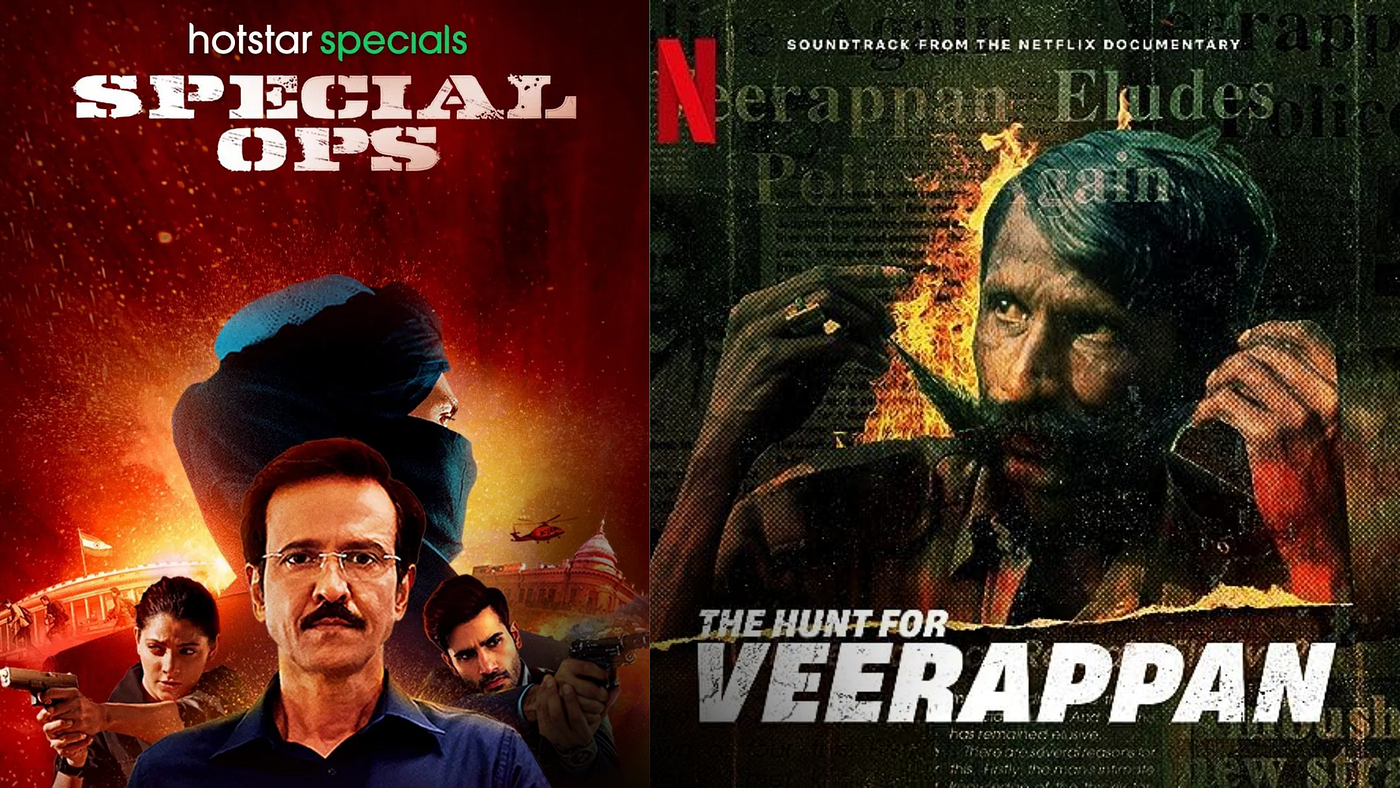
Item 1, “post parliament attack PMO meeting in Special Ops,” is a scene from Neeraj Pandey’s acclaimed fictional espionage thriller series Special Ops, depicting the immediate aftermath of a major terror attack on the Indian Parliament.
Item 2, “post Rajiv Gandhi assassination PMO meeting in the hunt,” is a scene from The Hunt for Veerappan (or Koose Munisamy Veerappan), a docu-series that delves into the infamous bandit’s life and the extensive efforts to capture him, using the political turmoil following Rajiv Gandhi’s assassination as a contextual backdrop. The core of this comparison lies in their divergent narrative techniques, particularly their use of “morphokinetics,” the dynamic interplay of movement, tension, and character expression, to convey gravity and urgency.
Key Similarities
1. High-Stakes Decision Making:
Both scenes plunge viewers into the intense environment of the Prime Minister’s Office, where top government officials are grappling with immense pressure and the need to make critical decisions impacting national security and stability. The weight of responsibility on leaders is palpable in both contexts.
2. Conveyance of Gravity:
Regardless of their stylistic differences, both scenes effectively communicate the profound seriousness and national importance of the events. The dialogue, character reactions, and the very setting of the PMO underscore the extraordinary nature of the circumstances.
3. Focus on Leadership Under Duress:
Each scene highlights the burden placed upon key figures — the Prime Minister, intelligence chiefs, and senior advisors — as they navigate unprecedented crises, showcasing their attempts to project authority and formulate a response amidst chaos or solemn reflection.
4. Institutional Response to Crisis:
Both illustrate how a nation’s highest administrative body mobilises or deliberates in response to a catastrophic event, offering a glimpse into the internal workings of power during times of extreme national vulnerability.
Notable Differences
1. Genre & Tone:
Special Ops, being a fictional thriller, employs a heightened sense of drama, urgency, and immediate action. Its tone is one of intense crisis management, demanding swift and decisive counter-strategy. In contrast, The Hunt for Veerappan, as a docu-series, adopts a more subdued, realistic, and reflective tone, prioritising historical context and factual reconstruction over manufactured suspense.
2. Narrative Purpose:
The PMO meeting in Special Ops serves to propel the plot forward immediately, establish the immense stakes for the protagonists, and showcase the government’s decisive (though often fraught) response to a direct threat. The Hunt for Veerappan’s scene, conversely, aims to contextualise the political landscape of the early 1990s, illustrating the systemic challenges and internal deliberations that shaped the era, rather than driving an immediate action plot.
3. Pacing & Visual Dynamics (Morphokinetics):
This is where the user’s initial prompt highlights a critical distinction. Special Ops excels in “great morphokinetics of tension,” using rapid cuts, dynamic camera movements, and characters physically embodying their stress and urgency through their movements and interactions. This creates a kinetic, almost breathless atmosphere. The Hunt for Veerappan, with “less morphokinetics at play,” likely adopts a slower pace, wider or more static shots, and relies more on dialogue, interviews (if applicable), or archival elements to convey the solemnity and intellectual deliberation of the moment.
4. Character Portrayal & Authenticity:
Special Ops features characters designed to fit the thriller archetype: decisive, strategic, sometimes morally ambiguous. Their portrayal is crafted for dramatic impact. The Hunt for Veerappan, in its docu-series format, aims for historical accuracy, potentially featuring actual individuals (via interviews) or actors portraying real figures with an emphasis on nuanced, perhaps even critical, historical perspectives.
Creative Approaches
Neeraj Pandey’s creative methodology in Special Ops is characterised by tight scripting, sharp dialogue, and a masterful use of cinematic techniques to build palpable tension. The “morphokinetics” here is a deliberate artistic choice to make the drama visceral — characters’ movements, gestures, and rapid-fire exchanges are choreographed to reflect the immediate, high-pressure environment, transforming the scene into a dynamic, living entity. It’s about crafting a thrilling and immersive experience of crisis response.
The Hunt for Veerappan, conversely, employs a documentary approach, prioritising factual integrity and historical reconstruction. The “less morphokinetics” is a conscious artistic decision to lean into realism, focusing on the intellectual and emotional weight of the historical moment rather than overt dramatisation. Its creative vision is to reconstruct and analyse, relying on the inherent gravity of the historical events and the testimonies or archival records to convey impact, rather than kinetic energy.
Cultural & Industry Impact
Special Ops significantly contributed to the burgeoning landscape of high-quality Indian espionage thrillers on OTT platforms. It set a benchmark for production value and narrative complexity, demonstrating how fictionalised national crises can deeply resonate with audiences by tapping into collective anxieties and celebrating the often-unseen work of intelligence agencies.
The Hunt for Veerappan is part of a growing trend of true-crime and historical docu-series in India. Its impact lies in offering a multi-perspective, often investigative, look at complex historical figures and events. Re-examining sensitive narratives, such as the post-Rajiv Gandhi assassination political climate, encourages deeper engagement with national history, sparks new cultural conversations, and contributes to the docu-series format’s ability to provide nuanced insights into society.
GreyBrainer Assessment
When assessing innovation and creative risk-taking, The Hunt for Veerappan demonstrates a more significant leap. While Special Ops is impeccably executed and highly effective within its genre, it largely refines established thriller conventions. Its “morphokinetics” is an elevated application of dramatic techniques.
The Hunt for Veerappan, however, takes a greater creative risk by deliberately opting for “less morphokinetics” in a scene of such immense historical gravity. To portray a PMO meeting after a national tragedy like Rajiv Gandhi’s assassination in a subdued, realistic, and intellectually engaging manner, without resorting to overt dramatic flourishes, is challenging. It prioritises authenticity and thoughtful contextualisation over manufactured tension, risking being perceived as less immediately “exciting” but aiming for a more profound, more enduring historical and analytical impact. This choice requires immense confidence in the subject matter and the audience’s willingness to engage with a less kinetic, more reflective narrative.
Conclusion
Both scenes powerfully illustrate government reactions to national crises, yet they do so through fundamentally different lenses. Special Ops excels in crafting immediate, visceral tension and propulsive drama, embodying the dynamic, high-octane thriller genre. Its lasting significance lies in elevating the standard for fictional espionage narratives in Indian media.
The Hunt for Veerappan, conversely, offers a more measured, reflective, and historically grounded perspective. Its PMO meeting scene serves to contextualise and analyse, rather than merely dramatise, a pivotal historical moment. Its lasting significance lies in enriching the docu-series landscape by demonstrating that profound impact can be achieved through nuanced historical exploration and a deliberate eschewing of conventional dramatic kinetics, proving that “less morphokinetics” can indeed lead to deeper engagement and understanding.
Related Greybrainer Reads
GREYBRAINER
AI-Powered Cinematic Intelligence