Brains, Betrayals, and Biometrics- Navigating the New Indian Zeitgeist: Morphokinetics™ Narrative Pacing
Minute-by-minute audience retention risk vs. narrative tension. Identifies structural sag points and retention thresholds.
**Brains, Betrayals, and Biometrics- **Navigating the New Indian Zeitgeist
This week, the Indian cultural barometer has shifted. We’ve collectively stepped off the adrenaline high of high-octane theatrical sequels and landed somewhere much more introspective, cynical, and intellectually demanding.
The “Masala” fatigue is real. In its place, a new twin-engine obsession has taken over the Indian living room: Procedural Addiction and Moral Ambiguity. From the courtrooms of Los Angeles to the cut-throat villas of influencer reality shows, the Indian viewer is no longer just looking for a hero to cheer for; they are looking for a professional to admire and a moral dilemma to debate.
Here is a breakdown of the trends, the critiques, and the ethical firestorms defining the Indian zeitgeist this week.
1. The “Competence Porn” Wave: Why We’re Hooked on the How
If you’ve checked the Netflix Top 10 in Mumbai, Delhi, or Bengaluru this week, one name reigns supreme: Mickey Haller.
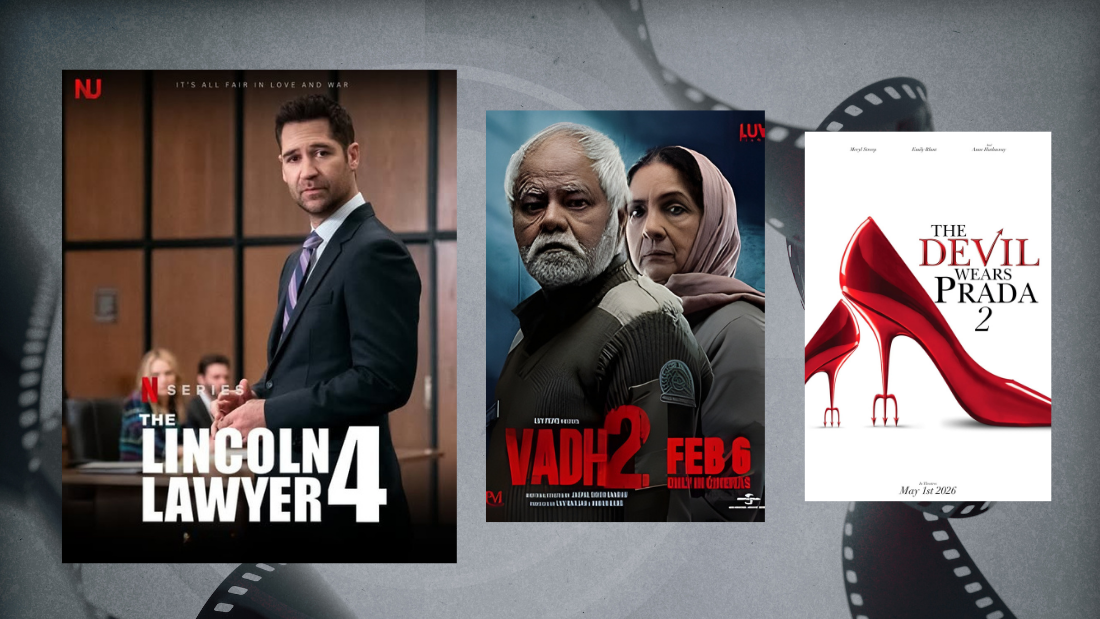
The Lincoln Lawyer Season 4 (Netflix)
After a massive opening weekend, The Lincoln Lawyer has solidified its status as the “urban Indian favourite.” But why? The answer lies in a phenomenon psychologists and critics call “Competence Porn.”
For an Indian audience that navigates a notoriously complex and often bureaucratic “system” daily, there is a deep, cathartic thrill in watching a professional operate with surgical precision. Mickey Haller doesn’t fix things with a flying kick or a pre-written monologue about patriotism; he fixes things by knowing the fine print better than the person who wrote it.
-
The Shift: We are seeing a pivot away from the “Hero-fixes-everything-with-a-punch” trope.
-
The Pulse: In a country where “Jugaad” is the norm, seeing “Procedural Excellence” feels like a superpower. Mickey Haller’s ability to navigate a broken system using logic and law is the ultimate escapist fantasy for the modern Indian professional.
The 50 (JioHotstar): The Mirror to the Hustle
While Haller represents the ideal professional, JioHotstar’s The 50 represents the raw, unfiltered reality of the Indian creator economy. Currently entering its “Betrayal Week,” this influencer survival game has become the most-discussed reality content on social media.
It isn’t just a game; it’s a microcosm of the Indian “hustle culture.” The audience is obsessed because the show mirrors the cut-throat nature of the digital world, where your collaborator today is your competitor tomorrow. It’s messy, it’s loud, and it’s unapologetically ambitious.
2. Legacy vs. Logic: The Battle for Narrative Relevance
As we move deeper into 2026, the nostalgia trap is finally starting to snap shut. Indian audiences are becoming increasingly vocal about whether “Classic” stories actually have a place in the modern world.
The Devil Wears Prada 2: A Fashion Bible in an AI World
The trailer for the long-awaited sequel has finally dropped, and the discourse in Indian fashion and tech circles is scathing. The core of the critique? Irrelevance.
In 2006, Miranda Priestly was the gatekeeper of taste. In 2026, the gate has been torn down. The irony hasn’t escaped Indian critics: while Miranda returns to fight for the soul of print media, the very influencers seen in shows like The 50 have already dismantled her empire.
The Debate: Can a story rooted in “Sustainability & AI” survive when its protagonist represents the height of 2000s excess? Critics are calling it a “Legacy Clash,” questioning if Meryl Streep’s iconic character can coexist with a generation that values ethical sourcing and algorithmic trends over the “Blue Sweater” monologue.
Vadh 2: The Slow-Burn Test
On the domestic front, Sanjay Mishra’s Vadh 2 has hit theatres, and it is testing the Indian audience’s patience in the best way possible. Unlike the fast-paced thrillers we are used to, Vadh 2 is a “Grey” meditation on justice.
-
The Critique: Many are struggling with the pacing. It is a slow-burning fuse in a world of 15-second Reels.
-
The Reward: For those who stick with it, the film offers a philosophical payoff that most blockbusters avoid. It asks: Is a “good” man still good if he commits a “necessary” evil? It’s a rewarding watch for the “Grey” thinkers, but a polarising one for the “Popcorn” crowd.
3. Social Topic: “Digital Resurrection” & the Soul of Cinema
The most explosive conversation this week didn’t come from a movie plot, but from the technology behind it. Following the “Next on Netflix” 2026 slate announcement, India is locked in a fierce debate over Digital Immortality.
The Spark: AI-Casting in Period Dramas
Rumours are swirling that upcoming Netflix period dramas will feature AI-generated cameos of deceased Indian cinematic legends. We aren’t just talking about de-ageing; we are talking about full-scale “Digital Resurrections” of stars who have been gone for decades.
This has triggered a firestorm of ethical questions that have moved from tech forums to dinner table conversations:
Ownership: Does a star’s likeness and “soul” belong to the studio that holds the archives, or to the family that holds the memory?
Consent: Can a person truly give consent for their image to be used in a future they never envisioned?
Artistic Integrity: Does an AI-generated performance carry the “Prana” (life force) that Indian audiences expect from their icons, or is it merely a high-tech puppet show?
This is the definitive social debate of the week. It touches on our deep-rooted respect for the departed and our futuristic obsession with technology. As we move further into 2026, the line between “Tribute” and “Exploitation” is becoming dangerously thin.
Summary of the Week’s Vibe
India is currently in a “thinking” phase. We are tired of being spoon-fed heroism and are instead gravitating toward content that challenges our ethics and respects our intelligence.
The Indian audience has matured. We are no longer just looking for a “Hero” to save the day; we are looking for a professional to do the job, a creator to survive the game, and a philosopher to help us navigate the ethics of a digital future.
What’s your take on the “Digital Resurrection” debate? Would you be thrilled to see a deceased legend back on screen, or does it feel like a step too far into the uncanny valley?
[[LENS_NARRATIVE:
🎬 Today’s Morning Brief: Feb 10, 2026
- Trending Now
The Lincoln Lawyer S4 (Netflix): Mickey Haller’s “Self-Defence” arc is the top binge in India. It’s a masterclass in “Competence Noir” that respects the audience’s IQ.
The 50 (JioCinema): “Betrayal Week” begins. The influencer “Hunger Games” is stripping away the filters, revealing the gritty reality of fame-seeking in 2026.
The Devil Wears Prada 2 (Trailer): Miranda Priestly’s return is haunting the “Old Guard.” The internet is debating if legacy prestige can survive the influencer-led “Fast Fashion” takeover.
- Critical View
Vadh 2 (Theatrical): Sanjay Mishra delivers a “Moral Grey” masterpiece. Critics are hailing it as a quiet, brutal study of justice that avoids all commercial clichés.
Parasakthi (ZEE5): The “Anti-Masala” choice. This 1960s political drama is being critiqued as a “Movie-as-a-Manifesto,” pushing the boundaries of regional history.
- The Social Spark
Digital Immortality: Netflix’s rumoured AI-cameos trigger a national debate on the ethics of “Resurrecting” deceased legends. Is it art or digital grave-robbing?
The Protégé Paradox: From ‘Prada 2’ to ‘Family Business’, cinema is obsessed with the student replacing the master. Is the “Mentor” archetype officially obsolete? ]]
Related Greybrainer Reads
GREYBRAINER
AI-Powered Cinematic Intelligence