The Weekend Paradox: Escapism in the Age of Invisible Systems
50-Word Verdict
It is a fascinatingly contradictory time to be a consumer of pop culture. We are currently observing what we can only call a "Weekend Paradox." We are living in the immediate, earth shaking aftermath of Christopher Nolan’s theatrical giant, The Odyssey, hitting IMAX screens worldwide. Yet, if you look at
Who Should Watch
For readers tracking the movie and OTT conversation through a sharper Greybrainer lens.
Morphokinetics Teaser
This briefing reads the cultural movement around titles and audience energy without exposing the internal scoring model.
Producer / Director Lens
For producers and directors, this brief surfaces audience appetite, tonal shifts, and emerging story signals worth watching.
The Weekend Paradox: Escapism in the Age of Invisible Systems: Morphokinetics™ Narrative Pacing
Minute-by-minute audience retention risk vs. narrative tension. Identifies structural sag points and retention thresholds.
It is a fascinatingly contradictory time to be a consumer of pop culture. We are currently observing what we can only call a "Weekend Paradox." We are living in the immediate, earth-shaking aftermath of Christopher Nolan’s theatrical giant, The Odyssey, hitting IMAX screens worldwide. Yet, if you look at the viewing habits of the "Grey" audience, the discerning, critically minded demographic that dictates long-term cultural trends, they are leaning heavily toward the intimate, the paranoid, and the hyper-contemporary.
Why the disconnect? Because our focus this weekend isn't actually on the scale of the spectacle. It is anchored in a fascinating storytelling evolution: modern media is increasingly obsessed with critiquing how invisible systems control our daily lives. Whether we are watching ancient myths, modern romances, or indie dramas, we are looking for reflections of our own exhaustion with algorithms, automated bureaucracy, and faceless authority.
Here is a breakdown of what the cultural landscape looks like this weekend, from the massive hits to the crushing disappointments, and the hidden gems you need to queue up.
- The Popular: Paranormal Romance and Systemic Friction
The defining trait of this weekend’s biggest hits is their ability to disguise deep-seated societal anxieties inside highly marketable genre packaging.
Spooky in Love (Netflix - Trending #1) This highly anticipated Korean fantasy romance dropped today, and it has already cemented itself as our top weekend binge. On the surface, it is exactly what it promises to be: a slick, supernatural mystery anchored by undeniable chemistry. But the perspective here is what makes it truly fascinating.
While it initially presents itself as a lighthearted ghost-hunting procedural, its true narrative engine quickly reveals itself to be an investigation into massive corporate data scraping. The storytelling evolution shifts rapidly from spectral jump-scares to exposing deep, privacy-focused vulnerabilities. The "ghosts" in the machine are quite literal. It proves that modern audiences still want their escapism, but they want it heavily laced with real-world digital paranoia. We are more terrified of terms-of-service agreements than we are of poltergeists, and Spooky in Love plays that anxiety like a fiddle.
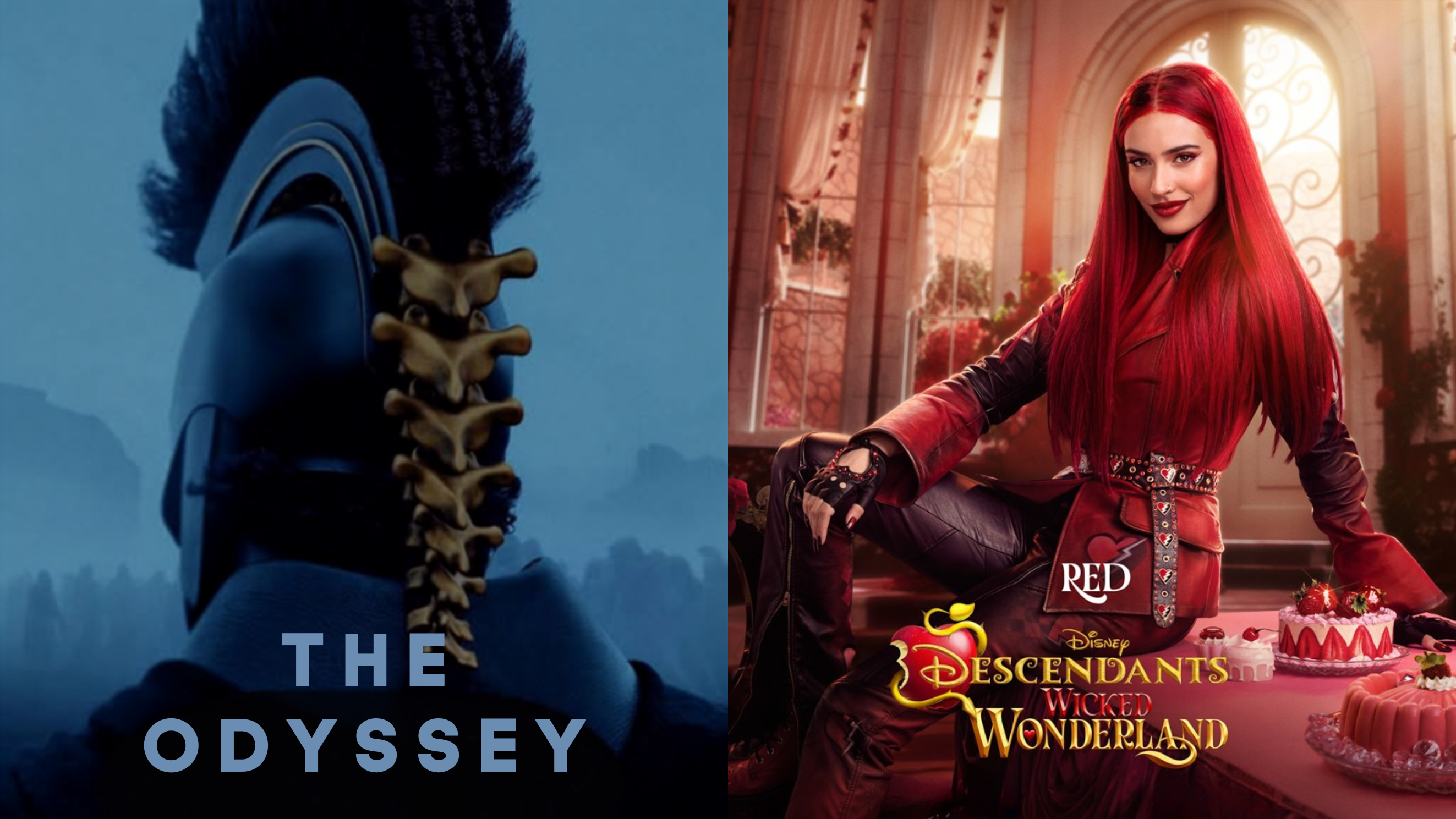
The Odyssey (Theatrical) Nolan's sprawling epic hit IMAX screens yesterday and is predictably dominating the weekend box office. The cinematography is staggering, and the sound design rattles your teeth. But the real insight for the "Grey" reader is how Nolan deliberately reconstructs classic character arcs to reflect 2026 anxieties.
Rather than portraying Odysseus as a traditional, invincible warrior-king favored by fate, the film frames him as a deeply exhausted survivor battling vast, uncaring forces. The pantheon of Greek gods is effectively stripped of its romanticism; they function here as an unfeeling, insurmountable bureaucracy. Nolan has crafted a massive-scale metaphor for the very modern frustration of fighting against rigid administrative automation and faceless authorities. Odysseus isn’t just trying to get home—he’s trying to navigate a system designed to keep him lost.
- Most Critiqued: Nostalgia Traps and Flat Arcs
On the flip side, the projects taking a beating from critics and audiences alike this weekend share a fatal flaw: they completely ignore the current cultural temperature, offering empty calories when audiences are starving for substance.
Descendants: Wicked Wonderland (Disney+) This time-traveling sequel is easily the most heavily critiqued title on our radar this morning, and the backlash is brutal. Reviewers are rightfully blasting the film for abandoning genuine storytelling evolution in favor of what feels like algorithmically generated callbacks.
The character arcs are entirely flat, trading authentic emotional stakes for manufactured, highly produced nostalgia. It plays out like a checklist of focus-grouped tropes rather than a cohesive narrative. By relying on an automated approach to storytelling—giving the audience exactly what a spreadsheet says they want—the creators have left older, more discerning audiences completely disconnected. It is a sterile exercise in brand management masquerading as a movie.
Kill Trip (VOD) This festival-horror release is being panned across the board for a severe lack of innovation. The overarching analysis centers on its complete failure to tap into modern anxieties.
Horror, at its core, has always been a reflection of what society is currently afraid of. Instead of exploring the terrifying, claustrophobic realities of digital tracking, compromised privacy, or surveillance capitalism, Kill Trip relies lazily on exhausted 1980s slasher tropes. A killer with a machete in the woods simply doesn't move the needle anymore. By completely missing what actually scares audiences in 2026, the film renders itself harmless—the worst possible fate for a horror movie.
- Hidden Gems: Global Rescues and Medical Bureaucracy
If you want to step away from the mainstream noise, the best viewing experiences this weekend are found in the indie and international spaces. These titles tackle the theme of "invisible systems" with devastating clarity.
23 000 Lives (Netflix) This German drama dropped yesterday quietly, but it is nothing short of a sleeper masterpiece. The absolute gem of this film is its grounded, unglamorous portrayal of modern heroism.
Following a group of young volunteers conducting rescue missions in the Mediterranean Sea, the film quickly establishes that the churning ocean is only the second most dangerous obstacle they face. Their primary battle is against deadly administrative automation and restrictive border policies that chillingly prioritize digital protocols over human life. The tension doesn't just come from sinking boats; it comes from radio operators reading automated denial-of-entry scripts while people drown. It is a stunning, deeply infuriating look at what it costs to defy a cold, automated world.
Horsegirls (VOD) This is an intimate, fiercely intelligent indie drama that is currently flying under the mainstream radar, but it demands your attention.
Horsegirls matters because it brilliantly captures the crushing weight of modern healthcare systems. It follows an autistic young woman trying to navigate her mother's terminal illness. The film doesn't villainize the doctors; instead, it highlights the intense systemic friction she faces when trying to protect her family's privacy and dignity within a cold, automated medical bureaucracy. It is a Kafkaesque nightmare of patient portals, automated phone trees, and algorithmic insurance denials. It perfectly encapsulates the "Weekend Paradox"—a small, intimate story that tackles the massive, invisible systems governing our lives.
The Takeaway: Whether we are watching a Greek king cross a CGI ocean or a young woman battle an insurance portal, our cultural appetite is clear. We are looking for heroes who can beat the system, because, off-screen, the system feels increasingly unbeatable.
Related Greybrainer Reads
GREYBRAINER
AI-Powered Cinematic Intelligence