The Great Indian Box Office Divide: Loud Vindication or Quiet Introspection?: Morphokinetics™ Narrative Pacing
Minute-by-minute audience retention risk vs. narrative tension. Identifies structural sag points and retention thresholds.
The Great Indian Box Office Divide: Loud Vindication or Quiet Introspection?
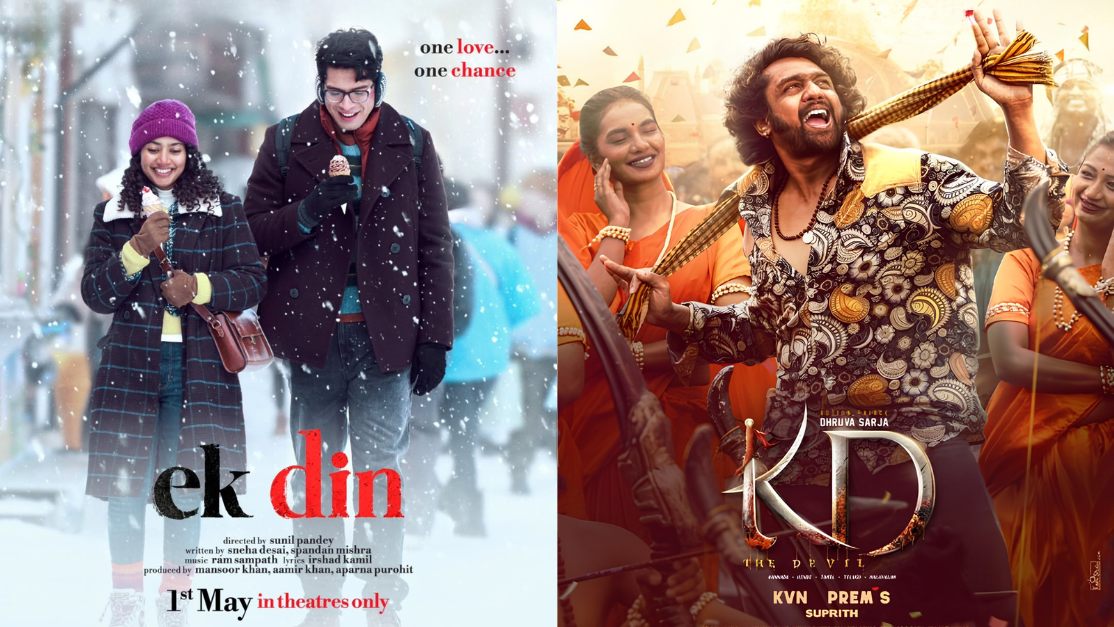
As we monitor the pulse of the Indian cinematic landscape, we are witnessing a genuinely fascinating psychological split at the box office. Today marks the explosive theatrical release of the highly anticipated 1970s gangster epic, KD: The Devil. Simultaneously, bookings for tomorrow’s cross-cultural romantic drama, Ek Din, are surging across all major multiplex chains.
While mainstream box office trackers and trade analysts are frantically busy counting morning show occupancies, screen allocations, and initial weekend projections, the “Grey” audience — the discerning, critically engaged viewers — is locked into a much deeper comparative analysis. As your resident smart editor, I am looking far beyond the superficial metrics of ticket sales. We need to examine exactly what these two contrasting, massive releases tell us about the rapid evolution of the Indian protagonist. More importantly, what does this cinematic duality reveal about our shifting cultural appetite, suspended delicately between the desire for quiet introspection and the thirst for loud vindication? Let us dissect the currents beneath the mainstream waves.
1. The Popular: “Ahimsa in Motion & Retro-Sangharsh”
The most glaring dichotomy this weekend lies in our top two mainstream contenders, showcasing two entirely different methods of audience catharsis.
First, let us look at Ek Din, which hits theatres tomorrow, May 1. Backed by Aamir Khan’s meticulous production banner, this romantic drama starring Sai Pallavi and Junaid Khan is already dominating bookings. Set against the serene, foreign backdrop of Japan, it is much more than a conventional love story. Through a character development lens, this film is a cinematic exploration of Ahimsa — a quiet, profoundly internal resolution. By deliberately stripping away the familiar, chaotic Indian socio-cultural setting, the narrative intentionally isolates its characters. This creative choice forces the audience to focus entirely on the Kshetra — the internal, psychological field of human experience. The surging ticket sales for this film prove a crucial point: exhausted urban viewers are desperately craving deep, uninterrupted emotional vulnerability. It serves as a necessary, soothing antidote to the mass-action fatigue that has dominated our screens for the past few years.
In stark contrast, we have today’s mammoth release: KD: The Devil. Dhruva Sarja’s gritty, unapologetic 1970s underworld epic is drawing massive, frenzied crowds for its unfiltered brutality and high-octane theatricality. But why is this working so well today? The insight lies in its capitalisation on raw Sangharsh (systemic conflict) and a concept we can call “Retro-Lawlessness.” By setting the narrative in a pre-digital, completely unregulated era, the film offers a specific type of escapism. It allows the modern, surveillance-exhausted audience — living in the hyper-connected, relentlessly tracked reality of 2026, to live vicariously through rogue characters who exist completely outside the system. KD: The Devil is a masterclass in using historical, gritty settings for deep, aggressive psychological release.
2. Most Critiqued: “Influencer Fatigue & Premature Spectacle”
While the theatrical box office thrives on this duality, the digital and premiere spaces are facing a harsh reality check from a progressively unforgiving audience.
Take Tu Yaa Main, the highly anticipated Hindi survival thriller that recently dropped on Netflix. Almost immediately, it found itself facing severe backlash across cinematic forums and social media platforms. The primary critique? A severe case of “Influencer Fatigue.” By casting prominent social media stars and centring the film’s core conflict around online clout within a life-or-death scenario, the character development arcs end up feeling completely hollow and superficial. The visceral stakes of a survival thriller are entirely undermined by the vanity of its premise. This backlash is sparking a fierce, necessary debate across the industry on whether streaming platforms are blindly prioritising algorithmic casting and viral hooks over actual, substantive storytelling evolution.
Similarly, early press screenings of Raja Shivaji, Riteish Deshmukh’s highly anticipated historical epic, are generating remarkably polarised discourse ahead of its wide release tomorrow. The consensus among the “Grey” analytical circles points toward a worrying trend of “Premature Spectacle.” There is a growing, vocal critique that in the desperate rush to create Pan-India visual grandeur, the foundational elements of cinema are being sacrificed. The intimate, psychological complexities of colossal historical figures are actively being flattened into one-dimensional, CGI-heavy hero worship. Audiences are signalling that massive scale and visual effects can no longer mask a lack of historical nuance and genuine character intimacy.
3. Hidden Gems: “Quiet Rebellions & Geographic Realism”
For the audience members looking to escape both the deafening roar of the multiplexes and the algorithmic traps of mainstream streaming, this week offers two profound hidden gems that demand your attention.
Streaming quietly on SonyLIV is Vastavache Rang, a brilliant, tragically overlooked Marathi socio-political drama. The film focuses intricately on the forgotten textile mill strikes and the lingering, generational trauma inflicted upon its workers. As massive, violent blockbusters overflow our multiplexes today, this quiet film offers a sobering, deeply moving counter-narrative. It meticulously examines the cultural impact of industrial collapse on fragile family units. Ultimately, it serves as an absolute masterclass in fighting the system through quiet endurance rather than loud, stylised violence.
Also on SonyLIV is Oru Sanchariyude Diary, a meticulously crafted Malayalam travel-mystery that deserves immense praise. Why does it matter this week? Because it completely subverts the traditional, tired thriller structure. Instead of relying on cheap jump scares or convoluted twists, it uses geography, landscape, and local folklore as the primary drivers of character development. It is the perfect, immersive watch for the discerning viewer who craves intricate narrative architecture and slow-burning tension over loud, meaningless explosions.
The Final Word
As we look at the landscape today, the verdict is incredibly clear. The Indian audience is not a monolith; it is a complex, deeply layered entity. We are simultaneously seeking the therapeutic quiet of Ek Din and the rebellious roar of KD: The Devil. We are rejecting the superficiality of algorithmic content and demanding real substance, whether that comes in the form of a sweeping historical epic or a quiet Marathi drama. As filmmakers navigate this intricate psychological split, one thing is certain: the era of taking the Indian audience for granted is officially over. Keep watching closely.
[[LENS_NARRATIVE:
🎬 Today’s Morning Brief: April 30, 2026
-
Trending Now
-
The Day 1 Phenomenon: Theatres are packed. KD: The Devil is officially underway. Pure, unadulterated retro-violence offering audiences an unregulated escape.
-
Ek Din (Advance Sales): Sai Pallavi’s highly anticipated Hindi debut arrives tomorrow. A masterstroke in exploring the quiet, internal Kshetra against the backdrop of Japan.
-
Critical View
-
Tu Yaa Main (Netflix): The new survival thriller is dropping the ball. A harsh reminder that casting influencers and chasing viral hooks can’t hide a hollow script.
-
Raja Shivaji (Early Press): As early reviews trickle in, a debate ignites: Are our grand historical epics losing the human element to CGI spectacle?
-
The Social Spark
-
The End of the Middle Ground: Looking at this week’s theatrical slate, the mid-budget action film is dying. Audiences either want total, unregulated chaos (KD) or deep, uninterrupted vulnerability (Ek Din). What does this extreme polarisation say about our collective worldview in 2026? ]]
Related Greybrainer Reads
GREYBRAINER
AI-Powered Cinematic Intelligence