The “Complex Mid-Week”: How India’s Streaming Landscape Turned Systemic and Self-Aware
The “Complex Mid-Week”: How India’s Streaming Landscape Turned Systemic and Self-Aware: Morphokinetics™ Narrative Pacing
Minute-by-minute audience retention risk vs. narrative tension. Identifies structural sag points and retention thresholds.
The “Complex Mid-Week”: How India’s Streaming Landscape Turned Systemic and Self-Aware
The Indian entertainment market has entered what media analysts call a Complex Mid-Week. Gone are the days when big-budget sequels or formulaic thrillers dominated viewing charts. The current moment feels more introspective, defined by Systemic Noir (stories about broken institutions) and Linguistic Activism (narratives that challenge power hierarchies through language and identity).
In other words, India’s streaming scene isn’t just entertaining anymore; it’s self-examining.
1. The Popular: The Return of the Grit
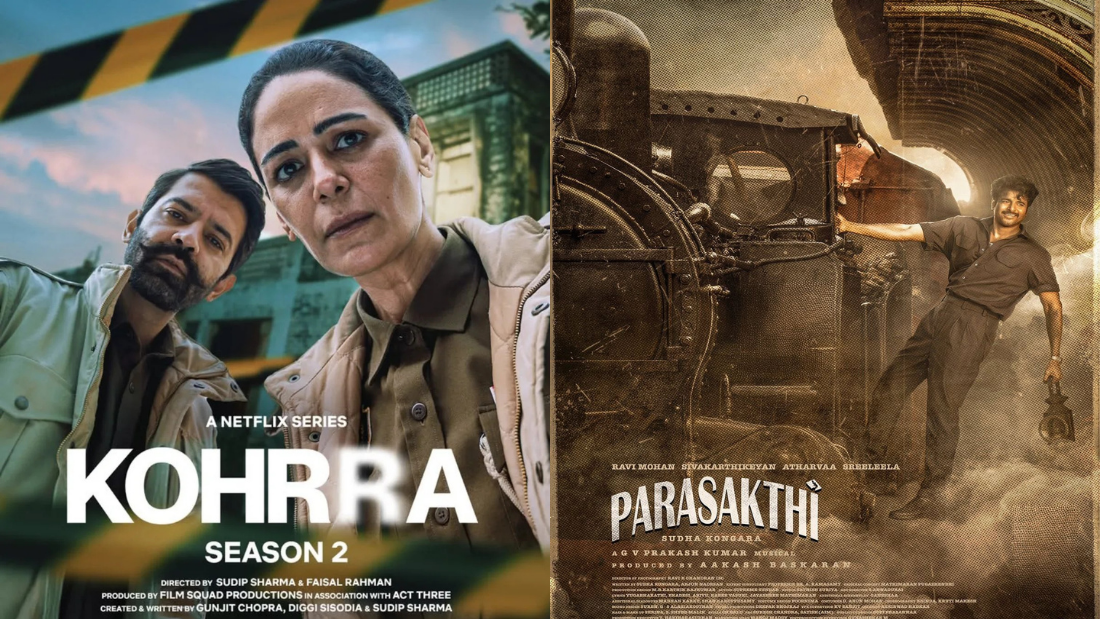
This week, the title that captures the zeitgeist of realism and rot is Kohrra Season 2 (Netflix, released today). Set once again in the misty heartland of Punjab, the show continues its unflinching dive into the undercurrents of the police force and small-town hypocrisies.
Barun Sobti and Mona Singh reprise their roles, but the story goes beyond the murder-mystery trope. Unlike the “Masala cops” of the Southern blockbusters, Kohrra thrives on the slow burn of institutional decay. The crime is a pretext; the real investigation is into human dysfunction, generational disconnects, and moral corrosion.
It’s no surprise that Kohrra 2 is trending across India. The show mirrors what viewers seem to crave lately, realism with rough edges, moral ambiguity, and emotional residue.
Meanwhile, across the same Netflix dashboard, another trend is rising globally and landing strongly in India: The Lincoln Lawyer Season 4.
It represents a growing global phenomenon best described as “Competence Porn.” These are shows where we watch professional doctors in The Pitt, lawyers in *Lincoln Lawyer, *confront chaos not with theatrics but with sheer skill and moral endurance.
Indian audiences, weary of corruption and systemic fatigue, are resonating with this tone deeply. Watching competence at work has become a form of escapism — one rooted in hope, not fantasy.
2. The Critiqued: Manifesto vs. Movie
On the opposite spectrum lies Parasakthi (ZEE5), starring Sivakarthikeyan in a daring role far removed from his “family entertainer” persona. Set in the politically charged 1960s, during the height of anti-Hindi agitations, the film has become the most discussed and divided work of the week.
Critics praise its historical accuracy and political honesty. The dialogues sting with ideological conviction, and the cinematography frames a country grappling with linguistic and caste hierarchies.
Yet, Parasakthi has also sparked a subtle backlash among viewers who find its “Ideological Density” exhausting. Many expected familiar emotional beats, but got a film that functions like a manifesto wrapped in cinema.
Still, this tension is precisely what makes Parasakthi significant. It marks a turning point for ‘mass heroes’ stars long associated with family dramas or comedies stepping into polemical, auteur-driven cinema. Sivakarthikeyan’s transformation might signal a broader pattern: the merging of mainstream reach with arthouse intent.
The question is no longer whether Indian audiences want ideological art; it’s whether they’re ready to engage with it on its own, unhurried terms.
3. The Social Topic: The Caste of Character
No Indian entertainment week is complete without a cultural storm, and this time it comes from “The Ghooskhor Pandat” controversy. The teaser, now withdrawn, hit a raw nerve by tagging the sacred title “Pandit” alongside the term “Ghooskhor” (corrupt).
The backlash was immediate and fierce, sparking protests and legal complaints. At the heart of it lies a deeper philosophical debate: How far can creative freedom stretch before it trespasses into cultural disrespect?
Progressive voices argue that cinema must confront caste and religious stereotypes to evolve; others call it an instance of “Lazy Tropes,” where irrelevance slips into insensitivity.
This debate isn’t new, but it feels newly urgent in 2026. As India’s storytellers grow bolder, the audience is drawing sharper lines around representation. What was once dismissed as “just fiction” is now treated as a social contract between creators and the communities they depict.
Reading the Room: A Mid-Week of Meaning
The current state of India’s entertainment landscape sits at a fascinating crossroads. On one feed, we celebrate procedural precision and moral clarity (Lincoln Lawyer); on another, we parse political manifestos through historical drama (Parasakthi); and in between, we grapple with the ethics of storytelling in a diverse nation (The Ghooskhor Pandit).
This Complex Mid-Week might seem chaotic, but it also signals maturity. Indian audiences are no longer satisfied with passive consumption; they want to interrogate what they watch, connect it to their realities, and demand accountability from their heroes, whether fictional or real.
And as streaming platforms compete to feed that hunger, one truth emerges: India is watching itself more closely than ever before.
[[LENS_NARRATIVE:
🎬 Today’s Morning Brief: Feb 11, 2026
- Trending Now
Kohrra Season 2 (Netflix): The mist returns to Punjab. Mona Singh and Barun Sobti lead a “Systemic Noir” that prioritizes the rot over the reward.
The Lincoln Lawyer S4 (Netflix): Mickey Haller on trial. India’s #1 binge-watch, proving the audience has traded high-octane chases for “High-IQ Legal Chess.”
The Raja Saab (JioHotstar): Prabhas’ “Vulnerable Superstar” pivot continues to dominate regional binging, defying theatrical mixed-reviews through “Extended Cut” hype.
- Critical View
Parasakthi (ZEE5): An intellectual political manifesto disguised as a movie. Critics are hailing Sivakarthikeyan for his “Ideological Bravery” in a landscape of safe scripts.
Ghooskhor Pandat Row: The teaser withdrawal has triggered a national debate on “Caste Ethics vs. Creative Freedom” — the definitive social discourse of the week.
- The Social Spark
The “Patch” Economy: With ‘The Raja Saab’ adding 4 minutes for OTT, the debate intensifies: Are theatrical releases now just “Beta Tests” for the final streaming product?
Institutional Fatigue: From ‘Kohrra’ to ‘The Pitt’, the hero’s greatest enemy in 2026 isn’t a gangster — it’s the Red Tape. ]]
Related Greybrainer Reads
GREYBRAINER
AI-Powered Cinematic Intelligence