Loud Epics & Quiet Escapes: A Box Office Reality Check: Morphokinetics™ Narrative Pacing
Minute-by-minute audience retention risk vs. narrative tension. Identifies structural sag points and retention thresholds.
Loud Epics & Quiet Escapes: A Box Office Reality Check
If you glance at the mainstream entertainment trackers today, you will see a familiar, exhausting frenzy. The timelines are flooded with morning show occupancies, IMAX ticket sales, and relentless debates over screen counts. But look closer, past the blinding flash of the commercial numbers, and you will notice something far more profound happening in the dark of the movie theatres.
We are currently observing what can only be described as a “Philosophical Friday Squeeze.”
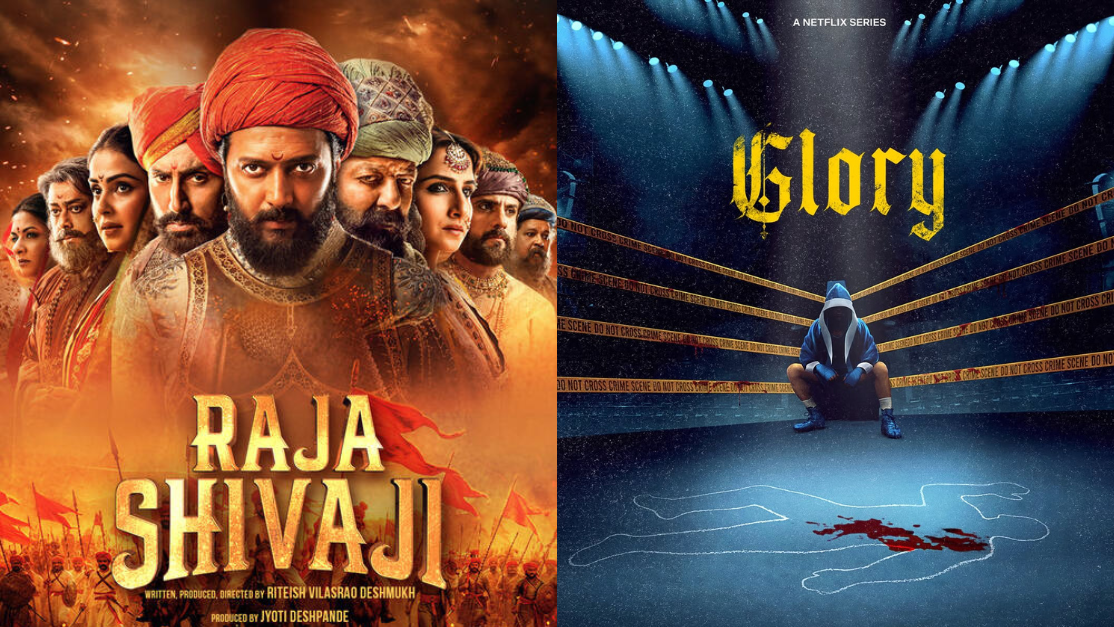
This weekend’s slate of releases has inadvertently created a fascinatingly polarised box office. On one extreme, we have the massive, grand-scale theatrical rollout of Riteish Deshmukh’s historical epic, Raja Shivaji. On the other end of the spectrum is the highly anticipated, intensely quiet cross-cultural romance, Ek Din. For the “Grey” audience, those who look beyond the superficial glitz to engage in deeper cultural analysis this weekend, represents a remarkable split in the modern Indian viewer’s psychological needs.
It is a cinematic tug-of-war: the deep-seated desire for loud, righteous victory versus the desperate, exhausted craving for total internal stillness. Let us break down what this weekend’s viewing habits reveal about our cultural mindset.
1. The Popular: Grand Sangharsh vs. The Internal *Kshetra*
The most striking dichotomy of the weekend lies in the two films dominating the theatrical box office, each catering to vastly different emotional appetites.
Raja Shivaji: The Cinematic Manifestation of Righteous Conflict
(Theatrical — Day 1)
Currently dominating single screens and multiplex IMAX venues across Maharashtra and the wider Hindi belt, Raja Shivaji is not just a film; it is an event. But through a character development and cultural lens, it represents something much older: the concept of Sangharsh (righteous conflict).
Audiences are not flocking to theaters merely to see action sequences or marvel at high production values. They are showing up to witness external battles of legacy painted on the grandest possible canvas. In an era where modern daily life feels filled with ambiguous, unwinnable micro-battles, Raja Shivaji offers the catharsis of absolute clarity. It explores storytelling evolution by examining historical duty, sacrifice, and cultural impact. The viewer is given a righteous anchor, a loud, unapologetic celebration of historical victory that provides a much-needed surge of communal pride and external validation.
Ek Din: The Pursuit of Ahimsa in an Overstimulated World
(Theatrical — Day 1)
Playing right next door in the urban multiplexes is Aamir Khan’s latest production, Ek Din, starring Sai Pallavi and Junaid Khan. While Raja Shivaji roars, Ek Din whispers, yet it is showing massive, sold-out occupancies.
This film serves as the perfect counterbalance to the weekend’s historical chaos. If the former is about Sangharsh, Ek Din is a profound exploration of Ahimsa and internal stillness. By intentionally placing the protagonists in Japan — thousands of miles away from the loud, relentless socio-politics of the Indian subcontinent — the film effectively isolates its characters. It forces the viewer to focus entirely on the Kshetra: the internal, spiritual field of emotional experience. This is a deeply intimate, quiet character study meticulously designed for a burnt-out, digitally overstimulated audience. It validates the exhaustion of the modern viewer, offering a cinematic sanctuary where silence is just as vital as dialogue.
2. Most Critiqued: Formulaic Grit and Artificial Depth
Not all highly anticipated releases survive the scrutiny of the modern audience. While theatrical audiences are finding satisfaction in the extremes of grand history and quiet romance, the streaming world is facing a harsh reality check.
Glory: The Trap of the Algorithm
(Netflix — Day 1)
Dropped at midnight, the highly anticipated boxing drama Glory is already severely polarising the internet, and for good reason. Critics and the “Grey” audience alike are blasting the film for what can best be described as “Formulaic Grit.”
Glory attempts to explore the dark, gritty underbelly of professional sports, artificially raising the stakes by injecting a murder mystery lens into the narrative. However, the execution reveals a worrying storytelling trend. Complex human dilemmas and the genuine psychological toll of professional fighting are entirely sidelined, reduced to algorithm-friendly training montages and predictable sports tropes. The character arcs feel completely secondary to the plot mechanics. It serves as a stark reminder that you cannot manufacture depth simply by turning down the lighting and adding a crime subplot. Audiences are hungry for genuine emotional inquiry, not a checklist of gritty streaming tropes.
3. Hidden Gems: Regional Mysticism and Procedural Realism
Beyond the mainstream giants and the streaming disappointments, the true cinephiles are finding their rewards in the weekend’s hidden gems. These are the titles pushing the boundaries of Indian storytelling without relying on massive marketing budgets.
Mantra Muugdha: A Triumph of Eastern Folklore
(Theatrical — Day 1)
Quietly hitting select theatres today is the much-awaited Odia fantasy-adventure, Mantra Muugdha. This film is a breathtaking triumph of local folklore over the sterile, copy-paste nature of Hollywood-style CGI.
Rather than mimicking Western fantasy, the film leans heavily into ancient Eastern myths, exploring its cultural impact with deep reverence and astonishing creativity. Mantra Muugdha proves that some of the most intricate narrative risks, rawest storytelling, and most imaginative visual world-building are currently originating from regional cinema. It is a reminder that authenticity will always resonate louder than an inflated VFX budget.
Undekhi: The Final Battle: Redefining the Crime Thriller
(SonyLIV — Season 4 — Day 1)
Finally, we have the stealthy, gripping return of the Atwal family saga. Undekhi completely subverts the traditional, loud Indian crime procedural.
As the series enters its final battle, it operates with ruthless, surgical precision. It does not solve systemic crimes through the typical Bollywood flair of slow-motion shootouts or physical force. Instead, it relies on a deep, detached, and often chilling observation of human flaws, generational trauma, and intricate power dynamics. This is television made for the viewer who craves psychological architecture over standard gunfights, proving that intellectual tension can be far more thrilling than physical violence.
The Verdict
This Friday’s box office is not just a collection of ticket sales; it is a cultural temperature check. We are a demographic stretched thin, desperately seeking both the loud, glorious anchors of our past and the quiet, intimate sanctuaries of our present. Whether you find yourself cheering in an IMAX for a historical king, sitting in stunned silence watching a romance unfold in Kyoto, or unravelling a psychological web on your couch, one thing is certain: Indian cinema is evolving, and the audience has never been more ready for the journey.
[[LENS_NARRATIVE:
Trending Now
The Friday Polarity: Theatres are officially split. It is the clash of the quiet vs. the colossal.
Raja Shivaji (Theatrical): The grand historical epic takes over. A massive, visually stunning exploration of legacy, duty, and righteous Sangharsh.
Ek Din (Theatrical): Sai Pallavi’s Hindi debut is drawing immense multiplex crowds. A masterstroke in exploring the quiet, internal Kshetra against the serene backdrop of Japan.
Critical View
Glory (Netflix): The new Pulkit Samrat boxing drama is faltering early. A harsh reminder that gritty aesthetics cannot compensate for hollow character development.
The Social Spark
The Return of Procedural Realism: With Undekhi: The Final Battle dropping its highly anticipated fourth season, the loud, aggressive cop is being replaced by the detached, observant sleuth. Are audiences finally tired of the “Encounter Specialist” trope? ]]
Related Greybrainer Reads
GREYBRAINER
AI-Powered Cinematic Intelligence