Dragons or Family Therapy? Decoding the Polarity of Our Current Watchlists
50-Word Verdict
As we kick off a fresh week in the cultural zeitgeist, a fascinating dichotomy is emerging across our screens. We are currently observing a sharp, undeniable "Friction vs. Fantasy Divide." If you look closely at what is dominating the global discourse compared to what is quietly building fiercely loyal audiences,
Who Should Watch
For readers tracking the movie and OTT conversation through a sharper Greybrainer lens.
Morphokinetics Teaser
This briefing reads the cultural movement around titles and audience energy without exposing the internal scoring model.
Producer / Director Lens
For producers and directors, this brief surfaces audience appetite, tonal shifts, and emerging story signals worth watching.
Dragons or Family Therapy? Decoding the Polarity of Our Current Watchlists: Morphokinetics™ Narrative Pacing
Minute-by-minute audience retention risk vs. narrative tension. Identifies structural sag points and retention thresholds.
As we kick off a fresh week in the cultural zeitgeist, a fascinating dichotomy is emerging across our screens. We are currently observing a sharp, undeniable "Friction vs. Fantasy Divide." If you look closely at what is dominating the global discourse compared to what is quietly building fiercely loyal audiences, the timeline is fundamentally split.
On one side, there is an insatiable appetite for indulging in the ruthless, high-stakes fantasy of dynastic warfare and the gritty, exhausting realities of international espionage. On the other side, an entirely different demographic—what we might call the "Grey" audience—is craving the quiet, grounded realism of rural clinics and messy family therapy. While the mainstream timeline is ablaze with dragon fire and geopolitical burnout, a massive undercurrent of pre-release engagement is being driven by "Therapeutic Realism"—stories that ask us to confront everyday domestic friction rather than world-ending apocalypses.
Here is a breakdown of what is driving our viewing habits this week, the psychological undercurrents behind them, and what these trends say about our collective headspace.
- The Popular: Dynastic Ruthlessness & Geopolitical Burnout The shows currently dominating the top of the charts are not light, escapist fare. They are heavy, demanding, and steeped in cynicism. We are gravitating toward protagonists who are trapped in unforgiving systems, reflecting our own fatigue with institutional instability.
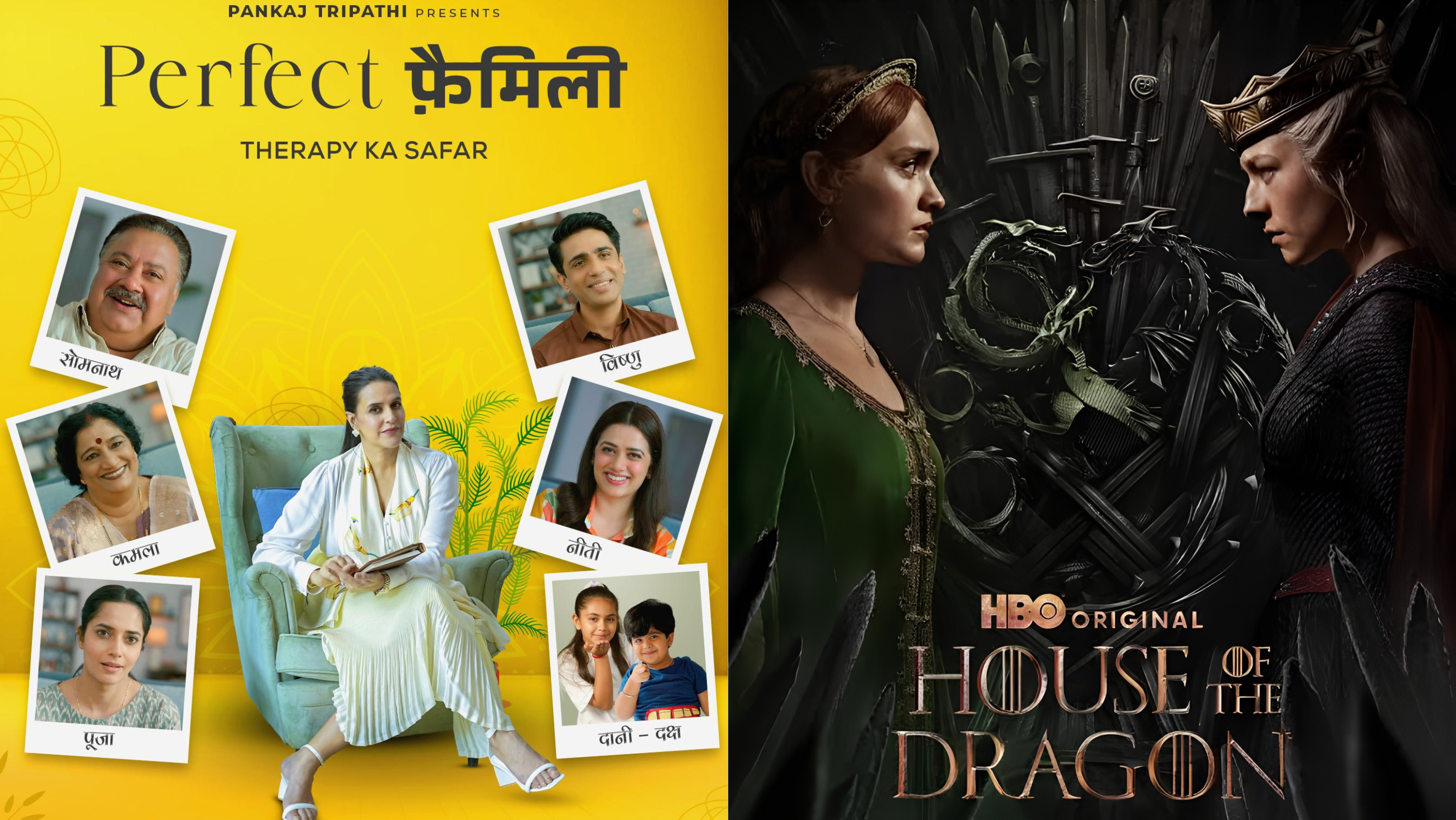
House of the Dragon Season 3 (JioHotstar) The highly anticipated premiere of the Targaryen civil war dropped this morning, and it has already completely overtaken the global discourse. But the obsession goes much deeper than dragons, spectacular production values, and sprawling battles.
The Perspective: This series is trending because it perfectly taps into our collective fascination with "High-Stakes Ruthlessness." For an audience navigating a precarious modern economy, shrinking job markets, and institutional distrust, watching a fantasy world where absolute power is brutally, unapologetically contested provides a dark, cathartic thrill. We project our own modern anxieties—corporate backstabbing, political gridlock, and systemic unfairness—onto the Iron Throne. When the real world feels entirely out of our control, there is a strange psychological comfort in watching a fictional universe where the rules of power are openly Machiavellian and the consequences are immediate. It is escapism, but it is an escapism built on a foundation of political darkness that feels validating rather than insulting to our intelligence.
The Agency Season 2 (Prime Video) Michael Fassbender’s highly anticipated return as a deep-cover CIA operative was released yesterday, and it has immediately become the undisputed weekend-spillover binge.
The Insight: The Agency is thriving because it leans directly into "Geopolitical Burnout." Audiences are actively craving espionage that feels heavy, bureaucratic, and morally ambiguous. We no longer want our spies dressed in flawlessly tailored suits holding shaken martinis while saving the world with a smirk; we want them exhausted, paranoid, and struggling to separate their real identities from their meticulously constructed cover stories. We want to see the endless paperwork, the sleepless nights, and the soul-crushing compromises of intelligence work. It resonates precisely because it mirrors the quiet, invisible burnout many feel in their own hyper-connected, constantly-on professional lives.
- Most Critiqued: Aesthetic Trauma & Digital Exhaustion While the top of the charts is defined by what we are embracing, the bottom is defined by what we are actively rejecting. Audiences in 2026 have developed a highly sensitive radar for artificiality, unearned shock value, and weightless spectacle.
M4M: Motive For Murder (Lionsgate Play) This newly dropped serial killer thriller features a murderer who recreates famous classical paintings using their victims. On paper, it sounds like a hit designed for the true-crime boom. In practice, it is facing heavy, unrelenting critical pushback today.
The Critique: Critics and audiences alike are diagnosing the series with "Aesthetic Trauma." The show is being fiercely blasted for treating gruesome, intimate violence as a mere visual gimmick rather than taking the time to explore any genuine psychological depth. The timeline is officially rejecting the true-crime-style thrillers of the past decade that prioritized grisly shock value over narrative substance. Viewers are exhausted by the fetishization of trauma. If a show is going to ask us to sit through darkness, it must offer profound human insight in return—not just a clever, highly stylized visual setup for a murder scene. The appetite for cruelty disguised as prestige television has dried up.
Avatar: Fire and Ash (JioHotstar) Currently in its promotional cycle ahead of its digital premiere on June 24, the pre-release hype for the next massive entry in the Avatar franchise is facing unexpected, overwhelming audience apathy.
The Analysis: The critique here centers entirely on "Digital Exhaustion." While the visuals are undeniably groundbreaking and technically flawless, viewers are experiencing severe fatigue from entirely CGI-rendered worlds. The human eye craves texture, imperfection, and tactile reality. It is a clear, blaring signal to the industry that without a deeply grounded human anchor and relatable emotional friction, even the most expensive pixels in cinematic history feel weightless and hollow to a modern audience. We have reached the limits of spectacle; if the audience cannot feel the dirt under the characters' fingernails, they simply disengage.
- Hidden Gems: Rural Empathy & Domestic Deconstruction For viewers burnt out by both the darkness of the mainstream hits and the hollow spectacle of the blockbusters, a powerful counter-movement is quietly thriving. This is the rise of "Therapeutic Realism," a genre that asks us to look inward rather than outward.
Gram Chikitsalay Season 2 (Prime Video) The upcoming season of this quiet, unassuming Hindi comedy-drama is generating incredible organic word-of-mouth ahead of its Tuesday release. It doesn't rely on massive marketing budgets or viral cliffhangers; it relies entirely on the profound relief it offers its viewers.
The Gem: Gram Chikitsalay is an absolute masterclass in "Rural Empathy." By deliberately focusing on the low-stakes, deeply human challenges of running a village medical clinic, it offers a soothing, analog alternative for viewers who are entirely exhausted by the hyper-stylized chaos of global streaming. It does not try to raise your heart rate; it tries to actively lower it. Watching a doctor solve everyday ailments, navigate local village politics with grace, and build genuine community is pure cinematic therapy. It is the television equivalent of taking a deep, uninterrupted breath of fresh air away from the noise of the digital age.
Perfect Family (SonyLIV) Early buzz is rapidly building for this upcoming Hindi dramedy starring Gulshan Devaiah and Neha Dhupia, currently making waves in its theatrical/OTT preview window.
Why it matters: Perfect Family tackles the remarkably heavy theme of family therapy and confronting uncomfortable, multi-generational truths—but it does so without resorting to loud, screaming melodrama. This is exactly what the "Grey" audience is searching for. It is domestic deconstruction done right. We are eager to watch a flawed family actually sit down and attempt to communicate openly, rather than watching yet another toxic, manufactured romance or contrived familial betrayal. It validates the everyday, unglamorous work of maintaining human relationships, proving that sometimes, simply trying to understand the people you live with is the highest stakes drama of all.
The Takeaway The current streaming landscape reveals a deeply polarized audience. We are splitting our time between the grand, ruthless escapism of battling empires and the quiet, restorative work of human connection. We have entirely lost our patience for weightless digital spectacles and unearned violence, proving that whether a story takes place on the back of a dragon or in a small village clinic, the modern viewer demands one thing above all else: emotional authenticity.
Related Greybrainer Reads
GREYBRAINER
AI-Powered Cinematic Intelligence