Digital Spectacle vs. Cultural Roots: The Great Cinematic Divide
50-Word Verdict
As we hit the mid week point today, the global entertainment timeline is experiencing a massive and highly vocal philosophical divide. It is a cinematic tug of war that goes far beyond simple genre preferences; we are actively observing a sharp "Digital Spectacle vs. Cultural Roots" debate unfold in real
Who Should Watch
For readers tracking the movie and OTT conversation through a sharper Greybrainer lens.
Morphokinetics Teaser
This briefing reads the cultural movement around titles and audience energy without exposing the internal scoring model.
Producer / Director Lens
For producers and directors, this brief surfaces audience appetite, tonal shifts, and emerging story signals worth watching.
Digital Spectacle vs. Cultural Roots: The Great Cinematic Divide: Morphokinetics™ Narrative Pacing
Minute-by-minute audience retention risk vs. narrative tension. Identifies structural sag points and retention thresholds.
As we hit the mid-week point today, the global entertainment timeline is experiencing a massive and highly vocal philosophical divide. It is a cinematic tug-of-war that goes far beyond simple genre preferences; we are actively observing a sharp "Digital Spectacle vs. Cultural Roots" debate unfold in real-time. On one side of the digital aisle, the mainstream algorithm is fiercely indulging in Hollywood's most expensive, hyper-processed CGI landscapes. The timeline is caught in an endless loop of debating the visual fidelity, frame rates, and rendering quality of the latest high-budget streaming drops. On the other side, however, a rapidly growing and influential demographic—often referred to as the "Grey" audience—is currently obsessed with "Grounded Epics." This thematic craving is driving unprecedented, completely organic hype for upcoming domestic blockbusters. What we are witnessing is a foundational shift in how we consume and validate stories. It is becoming increasingly clear that profound cultural resonance will almost always outmuscle sheer green-screen spectacle. Audiences are no longer sedated by visual volume alone; they are demanding emotional weight, historical tangibility, and narrative roots that extend much deeper than a studio's server farm. The current debate is not merely about what we are watching; it is fundamentally about how we want to feel when the screen finally goes black.
- The Popular: Ecological Escapism & Grounded Mythology The highest echelons of popular culture today are entirely dominated by two contrasting titans. Together, they perfectly illustrate the dichotomy of modern entertainment: synthetic dread versus ancestral myth.
Avatar: Fire and Ash (JioHotstar - Released Today) The highly anticipated streaming debut of James Cameron's blockbuster sequel is completely taking over the global mid-week discourse. Naturally, the visual fidelity is staggering, but if we look past the photorealistic environments, the underlying perspective shift is what truly matters. It is trending because it perfectly taps into "Ecological Escapism," but with a sharp, abrasive edge. By introducing the aggressive, fire-worshipping 'Ash People,' the film offers a much darker mirror to our real-world anxieties regarding climate collapse, resource scarcity, and rising tribalism. Pandora is no longer just a beautiful, escapist alien sanctuary; it has become a brutal reflection of our own survival instincts. The breathtaking visuals draw the audience in, but the underlying, uncomfortable dread is what keeps the timeline buzzing for hours.
Ramayana (Theatrical - Advanced Buzz) Parallel to that digital behemoth is a phenomenon of an entirely different texture. Yesterday’s massive joint fan event featuring Yash and Ranbir Kapoor completely hijacked the Indian internet, easily overshadowing actual film releases that were meant to dominate the week. The insight here is crucial: this overwhelming anticipation is driven by pure "Cultural Anchoring." In an era where Hollywood superhero IP is suffering from massive, undeniable audience fatigue, Indian audiences are demonstrating exactly what they value most. They want deeply rooted, emotionally resonant mythology over manufactured, corporate comic-book universes. We want our epic narratives to feel historically and culturally tangible. The massive buzz surrounding Ramayana isn’t about discovering a new superpower; it is about reclaiming an ancient identity and seeing it treated with reverence on the largest cinematic canvas possible.
- Most Critiqued: Pretentious Pulp & Live-Action Fatigue Pivoting away from the successes, it is equally important to look at what the timeline is actively rejecting. Today’s critiques are sharp, unforgiving, and clearly signal a deep exhaustion with specific studio formulas.
In the Hand of Dante (Netflix - Released Today) At the forefront of the morning's disappointment is the new literary mafia thriller starring Oscar Isaac and Gal Gadot, which centres on the dangerous theft of Dante Alighieri’s original manuscript. It sounds exactly like the kind of prestige project that should thrive, but it is facing heavy critical pushback. The prevailing diagnosis from the timeline? "Pretentious Pulp." Viewers are aggressively blasting the film for taking itself entirely too seriously without delivering the actual, pulse-pounding tension required of a thriller. It serves as a stark cautionary tale about prioritising aesthetic brooding and stylistic lighting over a cohesive, engaging plot. The timeline is officially rejecting the idea that looking smart is an acceptable substitute for being smart.
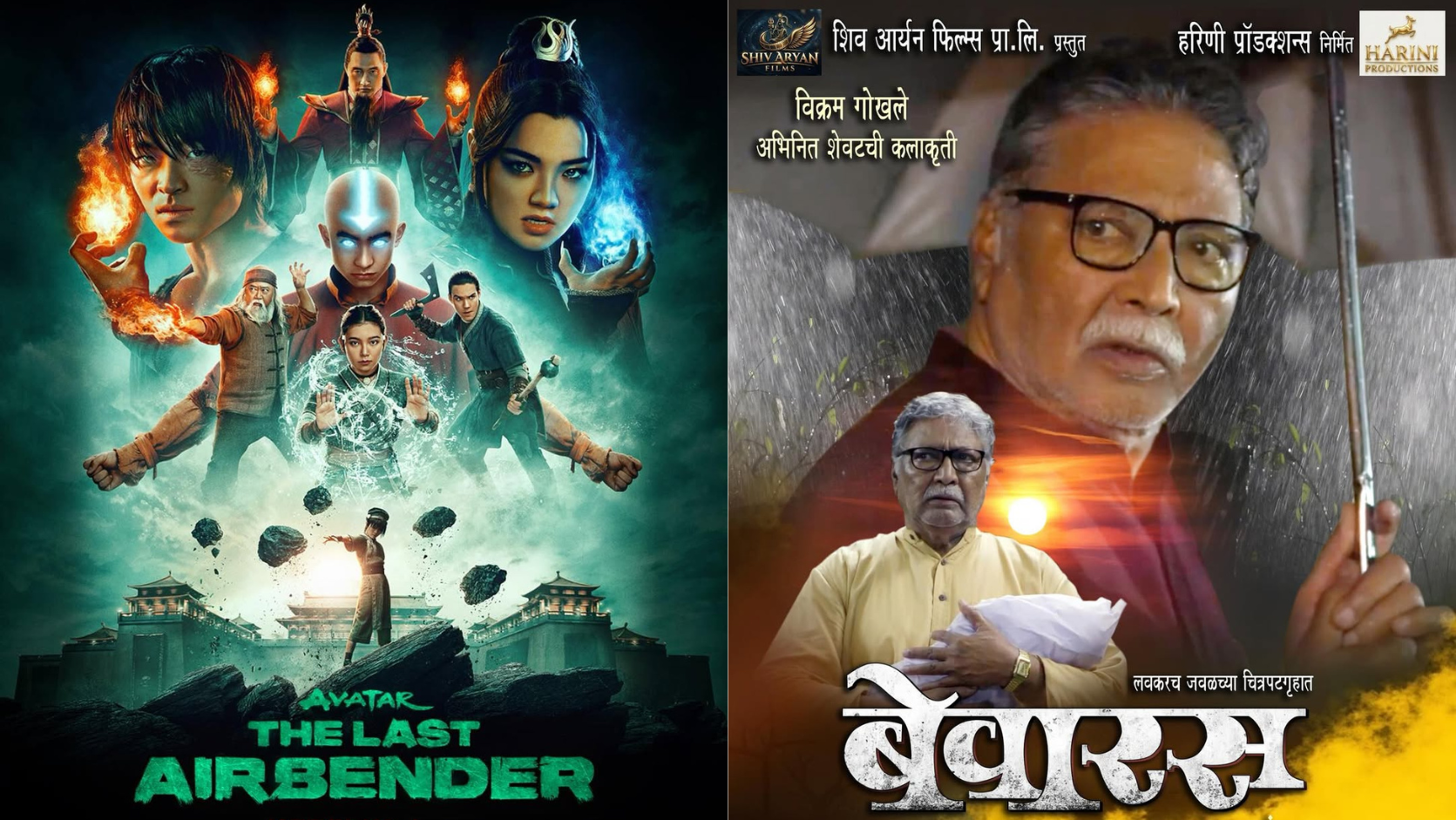
Avatar: The Last Airbender Season 2 (Netflix - Releasing Tomorrow) Even more vocal is the severe pre-release apprehension surrounding the live-action reboot of the beloved animated series. The discourse here centres entirely on "Live-Action Fatigue." Fans of the original show are increasingly, and loudly, vocal that animation is a complete, highly expressive medium in its own right. It does not need to be validated or legitimised by gritty, CGI-heavy live-action remakes. The audience is exhausted by this trend. They are actively asking studios to stop pouring millions of dollars into "upgrading" classics that were already perfect in their original animated form. There is a growing resentment toward the corporate recycling of intellectual property, marking a hard rejection of the idea that live-action is the ultimate evolutionary step for a story.
- Hidden Gems: Claustrophobic Survival & Regional Grit Amidst the incredibly loud debates over blockbuster CGI and massive mythological epics, a fascinating subcurrent of independent regional cinema is making quiet, yet undeniable waves. These are the hidden gems catering specifically to the reader who prefers substance, tension, and reality over massive scale.
Andharan (Theatrical Preview) This overlooked, highly anticipated Tamil thriller arriving in cinemas tomorrow is generating incredible preview buzz because it completely bypasses the sweeping, exhausting scale of Pan-India releases. Instead, it opts for a tight, intensely claustrophobic narrative focused purely on survival in the dark. Early viewers are hailing it as a masterclass in "Atmospheric Dread." This film is perfect for audiences who are entirely tired of world-ending stakes and CGI armies. They want their thrillers to rely on suffocating psychological tension rather than bombastic explosions, proving that a well-crafted shadow is often much more terrifying than a hundred-million-dollar digital render.
Bewarass (Theatrical - Released Today) On the other end of the regional spectrum is this raw, independent Telugu drama that quietly dropped in select theaters this morning. Why does it matter in a week dominated by blockbusters? Because it tackles the heavy, prevalent themes of urban unemployment and generational displacement without ever resorting to loud melodrama or cinematic cliches. It is unapologetically stark, offering a slice of uncomfortable reality that resonates deeply with a younger generation currently feeling the intense squeeze of modern economic anxieties. It is slow-paced, gritty, and profoundly real, offering a necessary, grounded palate cleanser from the high-gloss escapism of mainstream cinema.
The Verdict: Resonance Over Rendering Ultimately, this mid-week snapshot reveals a global audience in a state of profound transition. We are no longer passively consuming whatever visual feast the major studios decide to serve up. Instead, we are actively negotiating the terms of our entertainment. Whether it is finding a dark reflection of climate anxieties in the pristine CGI of Pandora, or seeking the profound cultural anchoring of an ancient epic like Ramayana, the mandate is incredibly clear. Spectacle alone is a depreciating asset. Authentic storytelling, whether found in a suffocating Tamil thriller, a gritty Telugu street drama, or deeply rooted homegrown mythology, is what truly endures. The timeline has spoken loud and clear: resonance will always decisively win the battle for our attention.
Related Greybrainer Reads
GREYBRAINER
AI-Powered Cinematic Intelligence